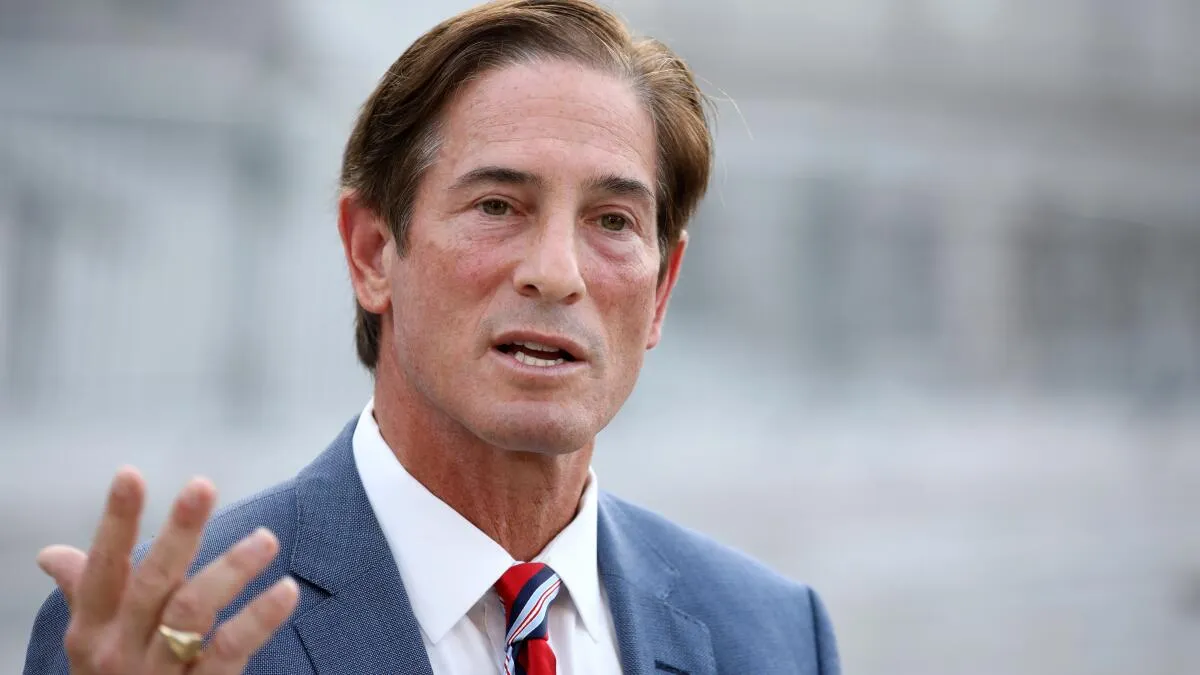
Los Angeles County District Attorney Nathan Hochman alleges that as many as 80% of claims in a $4 billion sex abuse settlement, the largest in U.S. history, may be fraudulent. This assertion significantly exceeds previous estimates of fraud within the payout.
Hochman has formally requested that the judge overseeing the majority of these cases halt payments for six months to allow for a thorough criminal investigation. The investigation aims to scrutinize plaintiffs, attorneys, and therapists involved in the claims. The district attorney argues that continuing payments during this period would impede his investigation by complicating witness cooperation and obscuring financial records.
The settlement, agreed upon in April 2025, is intended to resolve over 11,000 claims of sexual abuse originating from county-operated juvenile facilities, foster care homes, and a notable children's shelter. Many of these claims date back decades, becoming actionable after California's statute of limitations was extended for victims of childhood sexual abuse. The district attorney's office initiated its probe seven months after the settlement's announcement, prompted by allegations that some claimants fabricated abuse experiences and were never in county custody.
The district attorney's proposed six-month delay would specifically apply to cases linked to juvenile halls, which constitute the majority of the lawsuits, and would not affect claims arising from foster care or the children's shelter. Lawyers involved in the litigation are scheduled to appear before Superior Court Judge Lawrence Riff on Monday for a hearing regarding the DA's request. This request has met immediate opposition from victims who have been anticipating their payments and are increasingly burdened by repeated delays. Some claimants have resorted to high-interest loans against their settlement, incurring substantial financial losses as time progresses.
Attorneys representing victims expressed frustration, stating that their clients feel re-victimized by the fraud allegations, which they fear are overshadowing the horrific abuse they endured. Some legal representatives argue that the settlement's distribution over five years provides ample time for investigation without jeopardizing funds for legitimate claims. The district attorney's office has not yet provided the specific methodology behind its projection of over 80% fraud.
Skepticism regarding the high fraud percentage has been voiced by some victims and legal counsel, who find the number far exceeds expectations. Victims' advocates also note that claimants are facing increased pressure from county lawyers to substantiate claims, a difficult task given the age of the cases and the fact that many victims were children at the time of the abuse. Concerns have been raised that this pressure, coupled with the scarcity of contemporary records, could lead to genuine victims being unfairly labeled as fraudsters.
In response to earlier revelations about individuals being compensated to file lawsuits, the county has intensified its vetting process for claims. A former presiding judge of the county's Superior Court has been appointed to review cases handled by the Downtown LA Law Group, a primary firm involved in the litigation. This firm, which represented nine individuals who admitted to being paid to sue, is also under investigation by the State Bar regarding its approximately 2,700 plaintiffs in the settlement. However, the district attorney has indicated that existing vetting processes are insufficient, asserting that his office's investigation is necessary to definitively identify fraudulent claims.