El Niño is officially here, and experts are warning of significant global weather disruptions. The National Oceanic and Atmospheric Administration (NOAA) has confirmed the arrival of the climate phenomenon, which is expected to be one of the strongest on record and could amplify existing warming trends.
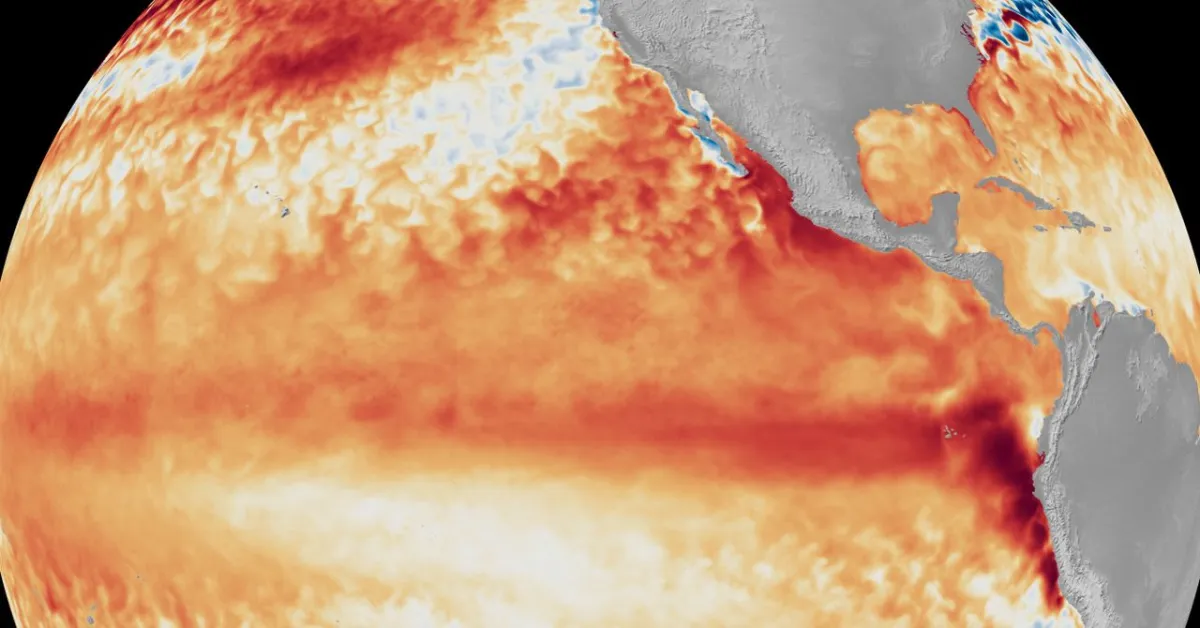
Characterized by unusually warm waters in the eastern tropical Pacific, El Niño has a far-reaching impact on weather patterns worldwide. NOAA's confirmation comes after specific temperature thresholds in the Pacific were surpassed, driven by a rapid increase in ocean temperatures. Additional signs include a notable rise in sea levels in the eastern tropical Pacific.
The shift in ocean temperatures influences atmospheric conditions, creating ripple effects across the globe. This can lead to increased rainfall in regions like the Southwestern US, while potentially suppressing Atlantic hurricane activity. Conversely, areas such as Indonesia and the Sahel region of Africa may face more severe droughts. El Niño also contributes extra heat to the atmosphere, further warming an already-heating planet.
The key concern now is the intensity of this El Niño event. Climate models suggest a high probability of it exceeding thresholds for a "super El Niño," potentially making it one of the strongest ever recorded. Past super El Niño events have been linked to severe global consequences.
Historically, strong El Niño episodes have caused extreme weather events, including major droughts and floods. For instance, the 1997-98 event triggered Indonesia's worst drought on record, and a recent iteration in 2023-24 led to Southern Africa's most severe drought in a century, resulting in widespread food assistance needs. These events also severely impact marine ecosystems like coral reefs.
Compounding these effects is the context of a historically warming planet. The addition of a strong El Niño event suggests a significant surge in global temperatures is likely in the coming years, with predictions pointing to 2026 being among the hottest years on record.