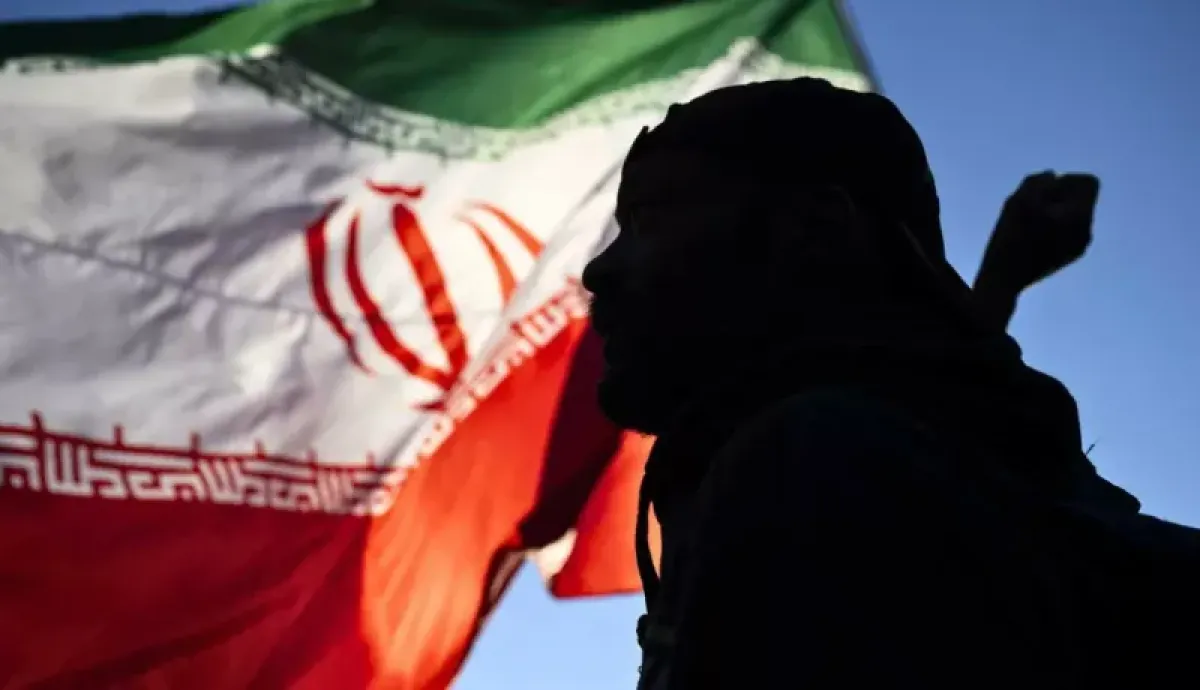
A recent analysis published by Foreign Affairs suggests that the United States and Israel's war efforts against Iran have not weakened the Islamic Republic or precipitated its political collapse, contrary to Washington and Tel Aviv's expectations. Instead, the conflict has instigated profound shifts within Iran's state structure, fostering a "new Iran" poised to redefine its regional role and strategic priorities in the coming years.
The magazine posits that the Iran emerging from the war is fundamentally different from the one that entered it. The military confrontation has compelled Iran's leadership to reassess its military, economic, and security policies. This reevaluation coincides with the rise of a new generation of leaders who adopt a more pragmatic approach to governance, exhibiting less adherence to the traditional revolutionary slogans that characterized the Islamic Republic's early decades.
These internal transformations are expected to reverberate across the regional landscape, particularly as Tehran seeks to solidify what it perceives as strategic gains achieved during the conflict. One of the most significant changes highlighted by the report is the acceleration of the leadership transition within the Iranian system. Military engagements have facilitated the ascent of a new cohort of leaders closely aligned with the Revolutionary Guard Corps and other security and military institutions. This generation, unlike the founders of the revolution, has developed within the established structures of the Islamic Republic, leading to a greater emphasis on state institutions and pragmatic national interests over traditional revolutionary rhetoric.
The report also notes that the political succession following the death of Supreme Leader Ali Khamenei demonstrated the system's institutional resilience. The new leadership, having conducted extensive reviews of past confrontations, entered the recent conflict better prepared militarily and organizationally. The Revolutionary Guard Corps and armed forces reportedly restructured their command and control systems, prioritizing operational flexibility and geographic dispersal of military capabilities. Furthermore, Iran significantly invested in its missile and drone programs and employed attrition tactics to deplete adversaries' resources.
Foreign Affairs concludes that the most significant outcome of the war is the emergence of new power dynamics in the Middle East. Iran, according to the report, has demonstrated its capacity to withstand a severe military campaign, asserting itself as a crucial player in future Gulf security arrangements. The war has also raised questions among regional nations regarding the efficacy of American security assurances. Iran, now viewing itself as a regional power, is aiming to translate this conviction into long-term political and economic advantages.
Internally, the war has prompted Iran to reorder its priorities, with governance, economy, and reconstruction taking precedence over traditional ideological considerations. The government has initiated programs to repair damaged infrastructure and implement economic reforms to mitigate the war's and sanctions' effects. Tehran's decision-makers recognize that sustained internal stability hinges on improved economic performance and public trust, driving a trend toward technocratic governance. This shift, the magazine argues, does not signify an abandonment of the regime's political identity but rather a strategic adaptation to post-war governance demands.
The war has also bolstered nationalist sentiments within Iran, unifying broad segments of the population against external threats. The report observes a relative decline in pre-war polarization, with national sovereignty and defense gaining prominence. The official discourse has shifted to emphasize national symbols and historical identity. The leadership is reportedly seeking to forge a new social contract based on citizenship and national identity, rather than solely ideological affiliation, projecting messages of national unity and state defense to broaden societal support.
In terms of regional policy, Iran has not reduced its influence but rather reorganized its alliances into a clearer strategic framework. Allies are now viewed as integral to a comprehensive defense system designed to deter threats and prevent concentrated military pressure on Iran itself. The war has reinforced the conviction among Iranian decision-makers about the importance of coordinating military and political actions across multiple fronts simultaneously.
In its conclusion, Foreign Affairs posits that the Islamic Republic is undergoing its most significant internal transformation since its 1979 inception. The transition from an ideological revolutionary model to a nation-state model focused on national security, administrative efficiency, and strategic interests is underway. The new generation of leaders aims to build an Iran more reliant on state institutions and less dependent on charismatic figures and revolutionary slogans, while maintaining the political system's authoritarian nature. The future trajectory of this "new Islamic Republic" will be shaped by the lessons learned from recent conflicts, potentially positioning Iran as a more influential player in shaping the future of the Middle East.