U.S. and Pakistani leaders indicated a potential Sunday signing of a framework agreement to end the conflict between the United States and Iran, though Tehran expressed reservations about the timeline and hardline elements within Iran voiced opposition.
President Donald Trump announced via social media on Saturday that a deal with Iran was slated for signing the following day. Pakistani Prime Minister Shehbaz Sharif corroborated this, stating that both parties had reached a consensus on a framework for a peace accord, with Islamabad preparing for an electronic signing. However, Iran did not confirm a Sunday signing. Iranian Foreign Ministry spokesperson Esmaeil Baghaei cautioned against definitive statements on the timing, suggesting it would not occur "tomorrow" but could be finalized "in the coming days." Trump further stated that upon the framework's signing, the Strait of Hormuz would be immediately "open to all."
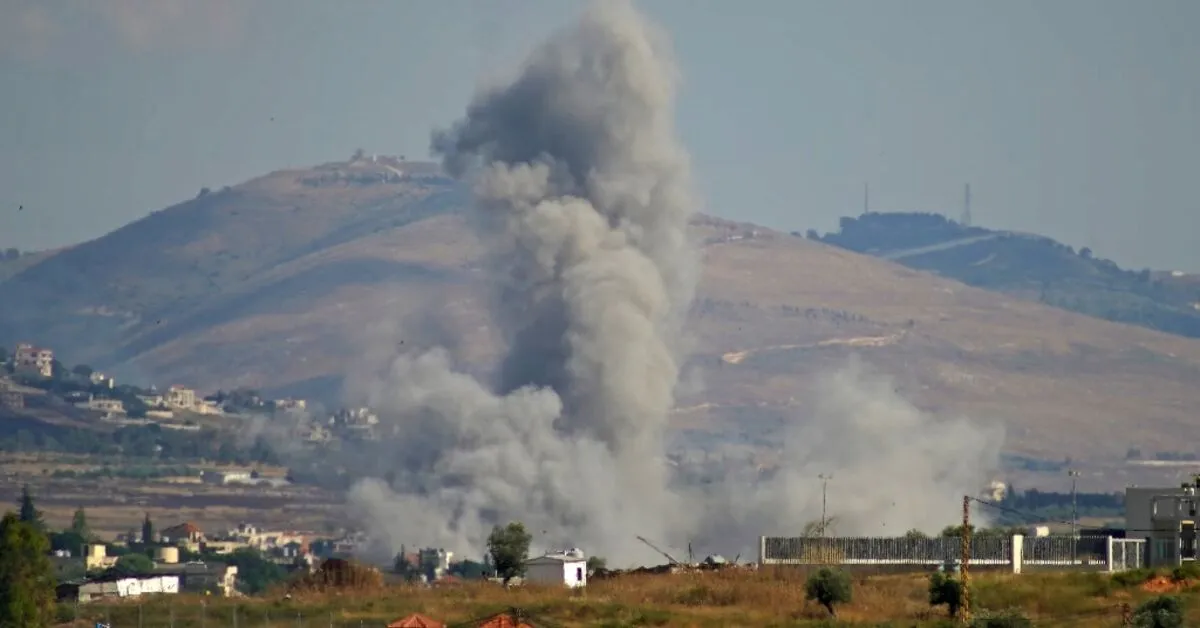
Despite projections of a resolution, Iranian hardliners have publicly expressed dissent. Videos circulating on social media and Iranian news outlets depicted opponents of the agreement gathering in Tehran, chanting slogans against Foreign Minister Abbas Araqchi. These demonstrations occurred even as clashes continued, with U.S. forces intercepting Iranian drones targeting the Strait of Hormuz. Israel, which stated it is not a party to the U.S.-Iran agreement, reported strikes in Lebanon against Iranian ally Hezbollah, amidst ongoing tensions with the U.S. over military actions in the region.
The proposed agreement reportedly includes the reopening of the Strait of Hormuz and the lifting of the U.S. naval blockade, with subsequent technical-level talks to address Iran's nuclear program. A U.S. official explained that the reopening of the strait is a prerequisite for lifting the blockade, with demining operations potentially involving the G7 powers. Draft terms suggest the U.S. would release frozen Iranian assets and lift sanctions on oil exports in exchange for Iran opening the strait.
Iranian news agency Fars quoted Baghaei stating that the release of frozen assets is integral to the agreement, and that Iran would levy charges for services within the Strait of Hormuz, while also demanding the cessation of foreign military bases in the region. Negotiations concerning Iran's nuclear program are scheduled to commence within a 60-day period, with the ultimate aim of dismantling Iran's nuclear capabilities, including the destruction and removal of its highly enriched uranium stockpile.