The Department of Justice has stepped into a lawsuit involving Elon Musk's xAI, arguing that the company's natural gas turbines are crucial for American national security and innovation.
In a filing on Monday, the DOJ sided with xAI, asserting that attempts to halt the operation of its natural gas turbines "threatens American national, economic, and energy security by seeking to shut off the power supply for artificial-intelligence innovation that supports the Department of War’s military operations." The DOJ, alongside xAI and the state of Mississippi, has urged the court to dismiss the lawsuit originally filed by the NAACP in April.
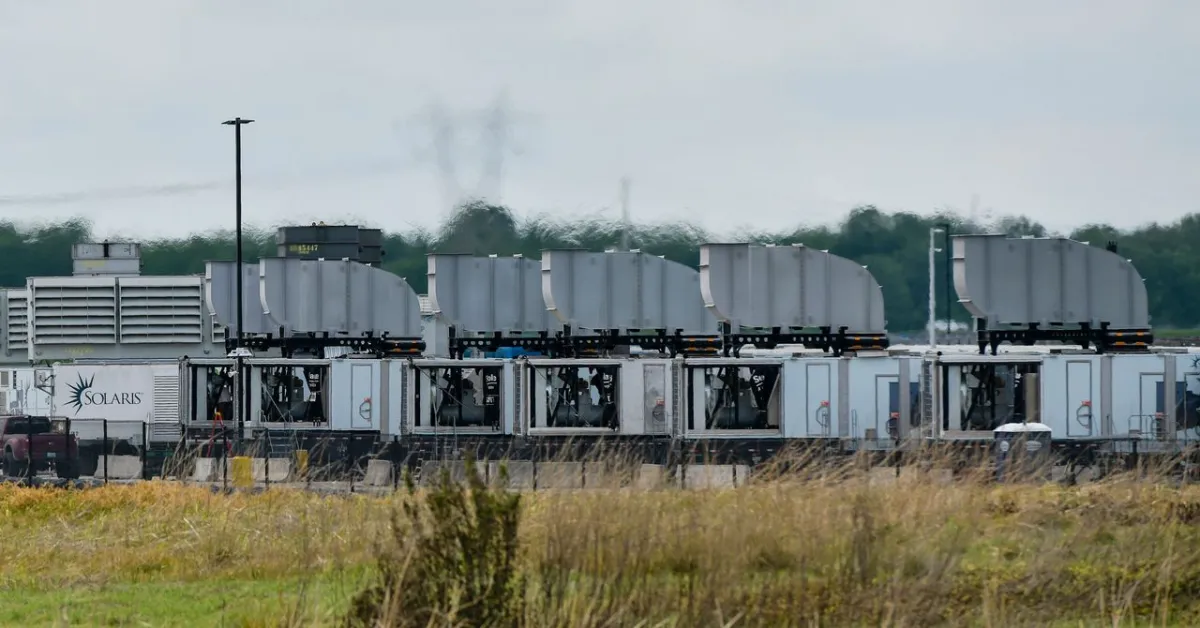
The NAACP's suit alleges that xAI is violating the Clean Air Act and jeopardizing public health by operating unpermitted natural gas turbines at its second data center, known as Colossus 2, in Southaven, Mississippi. The organization previously sought a preliminary injunction to stop the turbines, citing increased risks of asthma attacks and heart disease in already polluted communities.
According to a DOJ memorandum, only four AI models, including xAI's Grok, support critical operations on classified military networks. A declaration from the Department of Defense's Chief Digital and Artificial Intelligence Officer highlights the military's reliance on Grok's Gov model for vital national security missions, including recent strikes against Iran. Shutting down the turbines powering Colossus 2, the official stated, "directly threatens ongoing national security interests."
xAI, part of SpaceX, previously faced public scrutiny in Memphis over unpermitted gas turbines at its first data center, drawing concerns from residents about increased pollution in an area with high asthma rates. Both Tennessee and Mississippi authorities have claimed xAI has a year to operate the turbines without clean air permits, a position the NAACP contends contradicts EPA regulations.
The NAACP initially identified 27 unpermitted turbines at the Southaven site. However, emails obtained by the Southern Environmental Law Center, a partner in the lawsuit, reveal that by mid-May, the number of unpermitted turbines had surged to 57, with many added after the lawsuit was filed. This expansion, SELC notes, has led to significant increases in harmful emissions like nitrogen oxide, PM2.5, and formaldehyde.