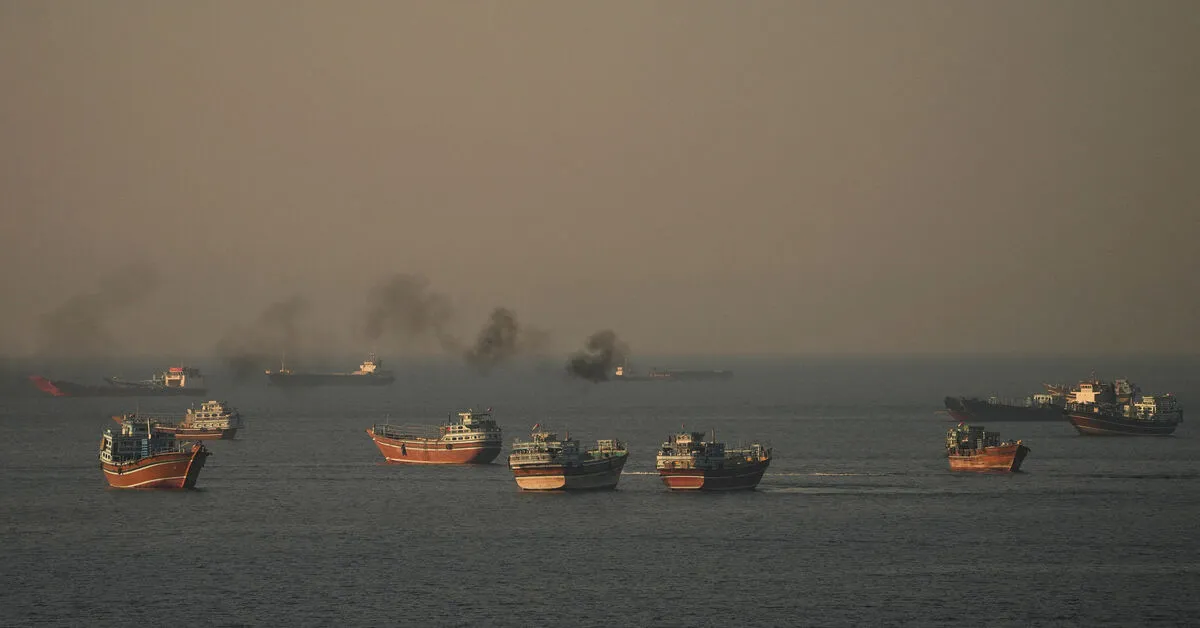
Three Saudi-flagged supertankers carrying six million barrels of crude oil successfully navigated the Strait of Hormuz on Thursday, mere hours after U.S. President Donald Trump finalized a pact with Iran aimed at de-escalating global energy supply disruptions. Concurrently, Israeli forces launched renewed airstrikes in Lebanon, casting uncertainty over the efficacy of the agreement to halt regional hostilities.
The U.S.-Iranian memorandum of understanding, which officially came into effect earlier than anticipated, mandates the immediate reopening of the Strait of Hormuz and the cessation of the U.S. blockade on Iranian ports. While maritime experts suggest a full return to pre-conflict transit levels will require time to ensure safe passage and demining operations, the initial impact was evident. Vessels that previously masked their positions by disabling transponders were observed broadcasting their locations, signaling readiness for transit.
Benchmark Brent crude futures experienced a further decline, falling by 2% to below $78 per barrel, marking the lowest price point since the conflict commenced. The memorandum initiates a 60-day negotiation period for a definitive settlement to the war, which began in February with joint action by President Trump and Israeli Prime Minister Benjamin Netanyahu.
Crucially, the agreement explicitly calls for the permanent termination of the war in Lebanon and guarantees its territorial integrity and sovereignty. Despite this provision, Israel, which initiated an invasion in March and has occupied significant territory in southern Lebanon in pursuit of Hezbollah militants, was not directly involved in the negotiations. This has led to a notable divergence, with Israeli officials indicating ongoing discussions with the U.S. regarding continued troop deployments in southern Lebanon.
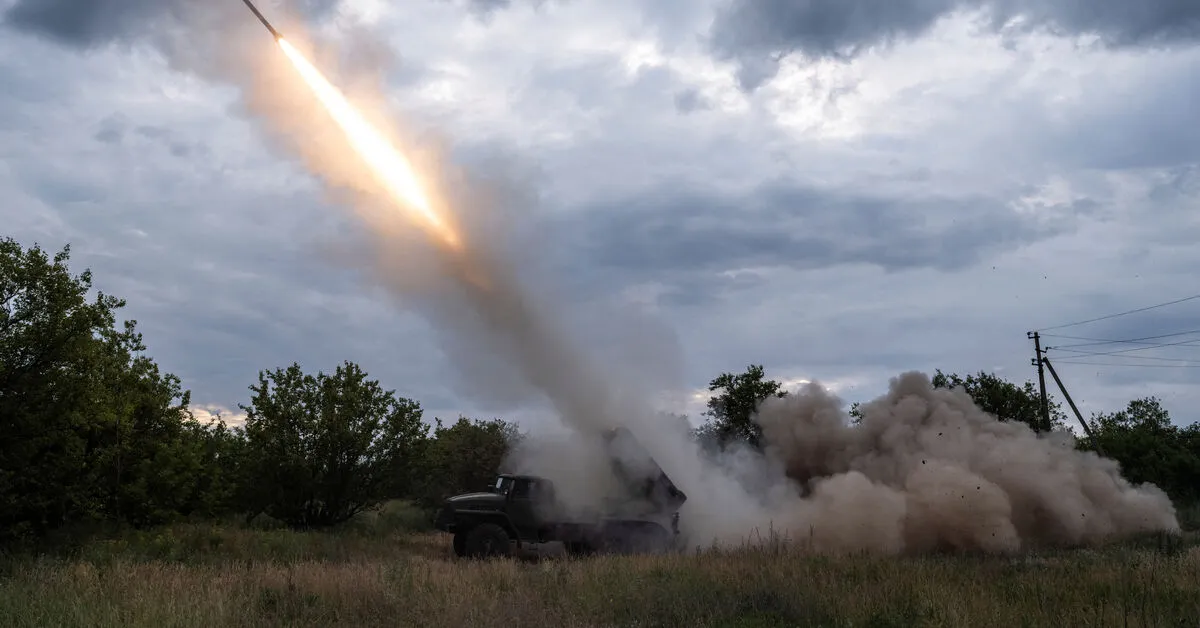
Recent fighting in Lebanon, which had seen a reduction in intensity following initial announcements of the deal, has escalated again. Lebanese state media reported airstrikes and artillery fire impacting southern towns, resulting in at least one fatality. The situation has generated anxiety among displaced civilians, with one individual expressing uncertainty about the definitive end of hostilities.
Senior Israeli officials have communicated that negotiations with Washington are focused on maintaining troop presence in southern Lebanon, particularly within areas designated as buffer zones. The outcome of these talks is reportedly contingent on President Trump's willingness to apply pressure on Israel through potential repercussions for non-compliance with the interim accord. The rift between U.S. and Israeli policy over Lebanon is perceived as one of the most significant in decades, with Israeli media suggesting a difficult choice between military objectives and U.S. diplomatic support.