Thailand's government has revived plans for an ambitious "Land Bridge" project, a proposed $30 billion logistics corridor designed to ferry goods between the Andaman Sea and the Gulf of Thailand, offering an alternative to the congested Strait of Malacca. The initiative, spearheaded by Prime Minister Anutin Charnvirakul, aims to leverage global reliance on strategic maritime chokepoints, particularly in light of recent geopolitical tensions.
The 1 trillion baht ($30.45 billion) project envisions connecting two deep-sea ports: Chumphon on the Gulf of Thailand and Ranong on the Andaman coast, via a 90-kilometer (56-mile) corridor. This infrastructure would include a standard-gauge railway, multi-lane highways, and local roads. Government projections suggest the corridor could reduce logistics costs by nearly 30% and cut transit times by up to 14 days for cargo moving between southern China and ports in the Indian Ocean. Officials aim to capture a portion of the trans-shipment cargo that currently dominates traffic in the Malacca Strait.
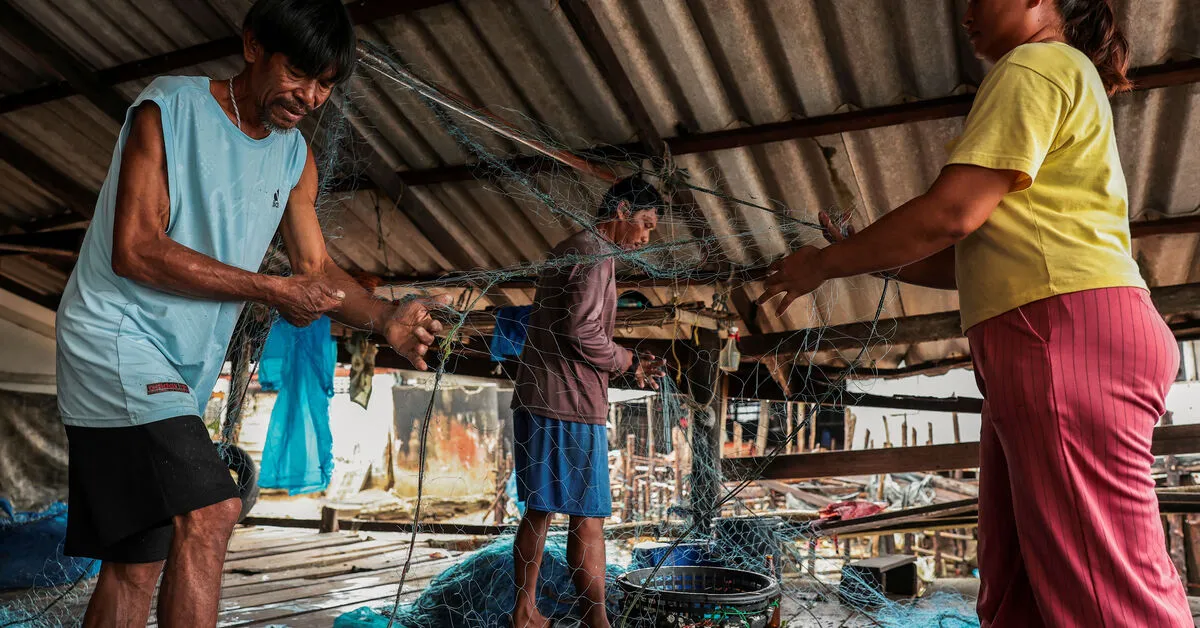
Despite the potential economic benefits, the project faces significant hurdles. Local communities, such as fishermen in Ranong, express strong opposition, fearing disruption to their livelihoods. Experts and analysts question the project's economic viability and its ability to compete with the established efficiency of the Malacca Strait. A new environmental and health impact assessment has been ordered due to discrepancies in research data, adding to regulatory complexities.
The current iteration of the Land Bridge project focuses on transport infrastructure and logistics, a departure from earlier proposals that included petrochemical complexes and oil refineries, which faced greater public opposition. The government plans for private investors to finance the majority of the project, with the state playing a regulatory and supporting role. However, investor interest has been cautious due to the project's scale, capital requirements, and the evolving policy landscape.
The project also navigates a delicate geopolitical terrain. While potentially offering strategic advantages, its development could draw scrutiny from neighboring countries and major global powers. Ensuring it does not become a geopolitical flashpoint will require careful diplomatic maneuvering. The Thai government is awaiting findings from a review panel on the project's impact assessments, expected before the end of July, which will be crucial for its progression.