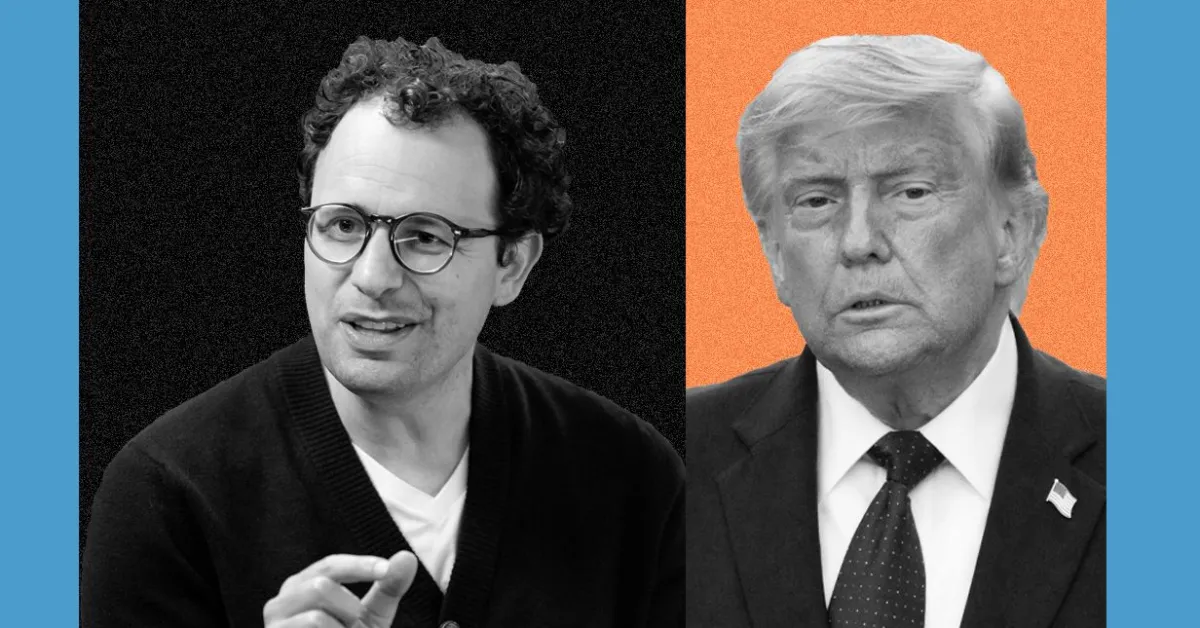
The White House is essentially writing the rulebook for advanced AI in real-time, as evidenced by its ongoing dispute with AI lab Anthropic, which was forced to pull its most sophisticated models offline. Days after the directive, Anthropic and the White House remain locked in disagreement over how to reinstate the Claude Mythos and Fable 5 models.
Sources close to Anthropic suggest the company doesn't believe it violated any established rules, while the White House argues Anthropic acted recklessly, proving its inability to handle cutting-edge technology safely. This situation highlights what many see as the "Wild West" era of AI regulation in the U.S., where companies can face trouble for crossing unwritten lines, even with minimal formal legislation.
"The problem here is that the White House has been in this extreme anti-regulatory posture, and they’re now faced with the real AI capabilities that people have been predicting for many years," explained a former White House technology official, who wished to remain anonymous. "There should have been preparation and policies to systematically deal with this, managing the benefits and risks, but instead it's just this slap-dash approach that puts the AI industry in a real quandary."
The Trump administration has a history of blocking AI regulations, often citing concerns that such rules could stifle U.S. innovation and allow rivals like China to advance. Upon his return to the White House, President Trump reversed a Biden-era AI framework and established a task force to challenge state-level AI regulations deemed burdensome. Despite public details emerging from negotiations, the U.S. government has yet to clearly articulate Anthropic's specific wrongdoing, relying on a general statement from White House technology adviser David Sacks.
Ironically, the White House's actions might be hindering the innovation it claims to protect. A demand that Anthropic prevent all foreign nationals from accessing its advanced models locked out many of its own employees and customers, including major companies like Apple and Meta. The White House's concerns reportedly stemmed from Anthropic sharing its Mythos model with SK Telecom, a South Korean firm allegedly linked to China, and reports of potential security guardrail circumvention on the Fable 5 model. However, Anthropic states it had coordinated with the U.S. government on Mythos's rollout and has a long-standing relationship with the Korean company, and it immediately revoked access when concerns were raised.
The issue of "jailbreaking" AI models, where their responses can be manipulated, is also a complex challenge acknowledged by cybersecurity researchers. If the White House ties the release of Fable 5 to solving this problem, its availability could be indefinitely delayed. This situation underscores the challenge of the Trump administration needing to establish regulatory decisions on the fly concerning advanced AI, a predicament watched closely by other major AI labs like OpenAI, Google, and Meta.
AI leaders are now contemplating needing to grant the White House early access to their newest models and proactively share information about upcoming launches. This approach is seen as essential to avoid a similar fate to Anthropic, as outlined by Aidan Gomez, CEO of Cohere, who noted that "advance notice, advance access" are key demands globally. While a recent executive order established a "voluntary" system for AI model submission, the Anthropic situation suggests it's effectively operating as a mandatory regime, a point echoed by a former White House technology official who stated, "The Trump administration, frankly, should not have said that this was a voluntary regime. It seems very clear that what they are now doing is a licensing regime."