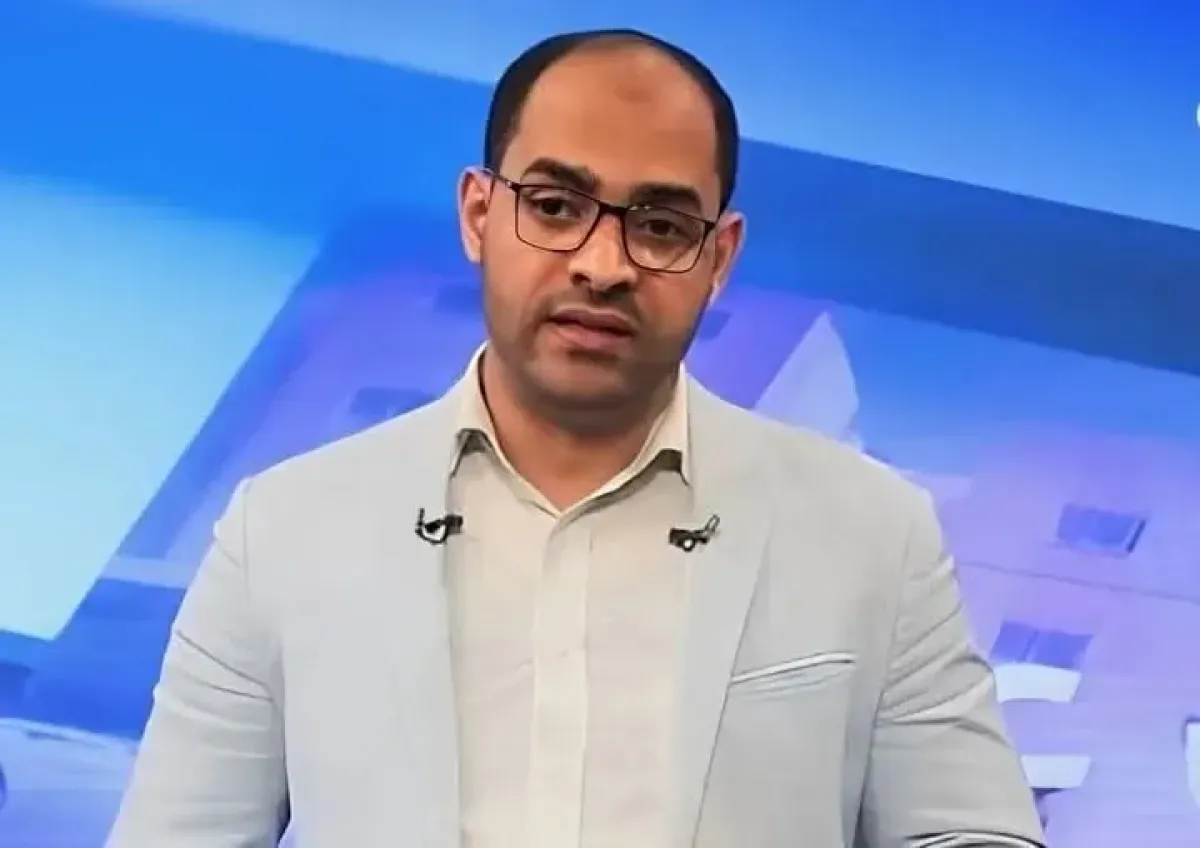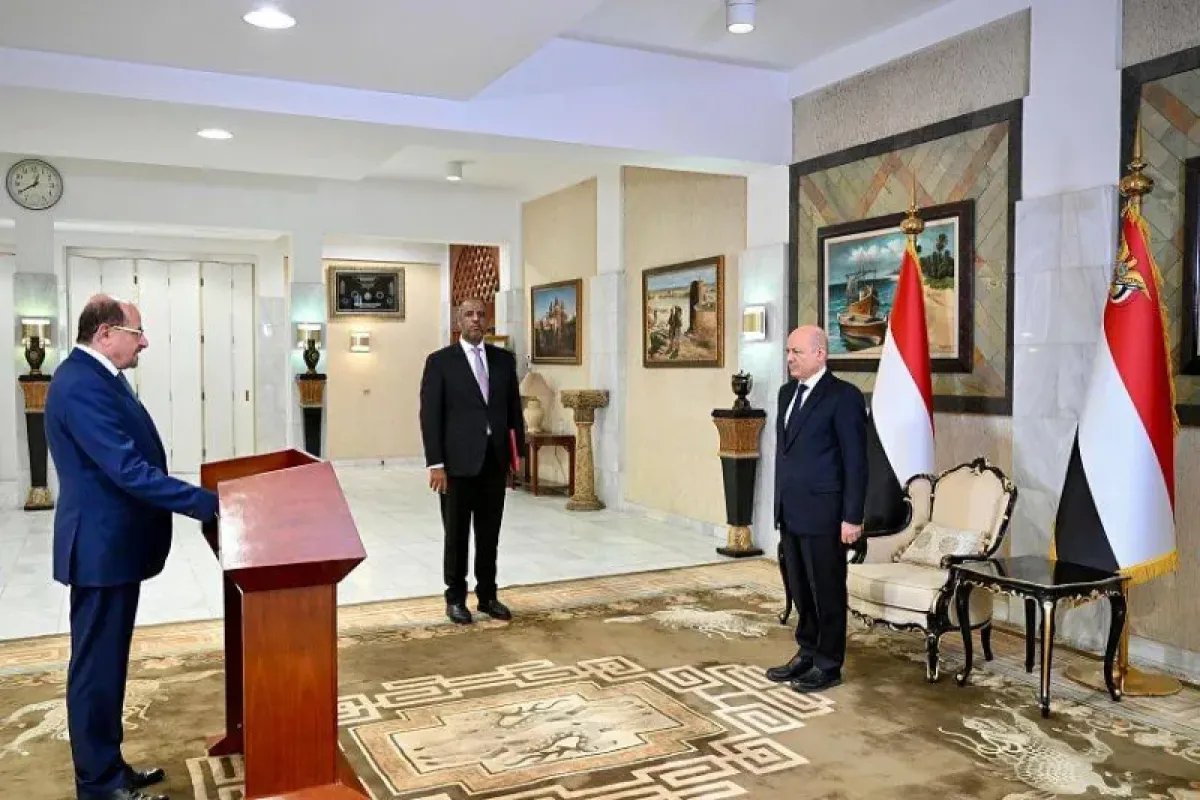
The government led by Prime Minister Shayaa Al-Zandani has been accused of failing to address the escalating crises in the liberated territories, relying instead on unfulfilled promises for solutions. Despite being formed in early February with significant media fanfare promising a new era of problem-solving, the administration has shown no tangible improvement in the economic and service sectors over four months later.
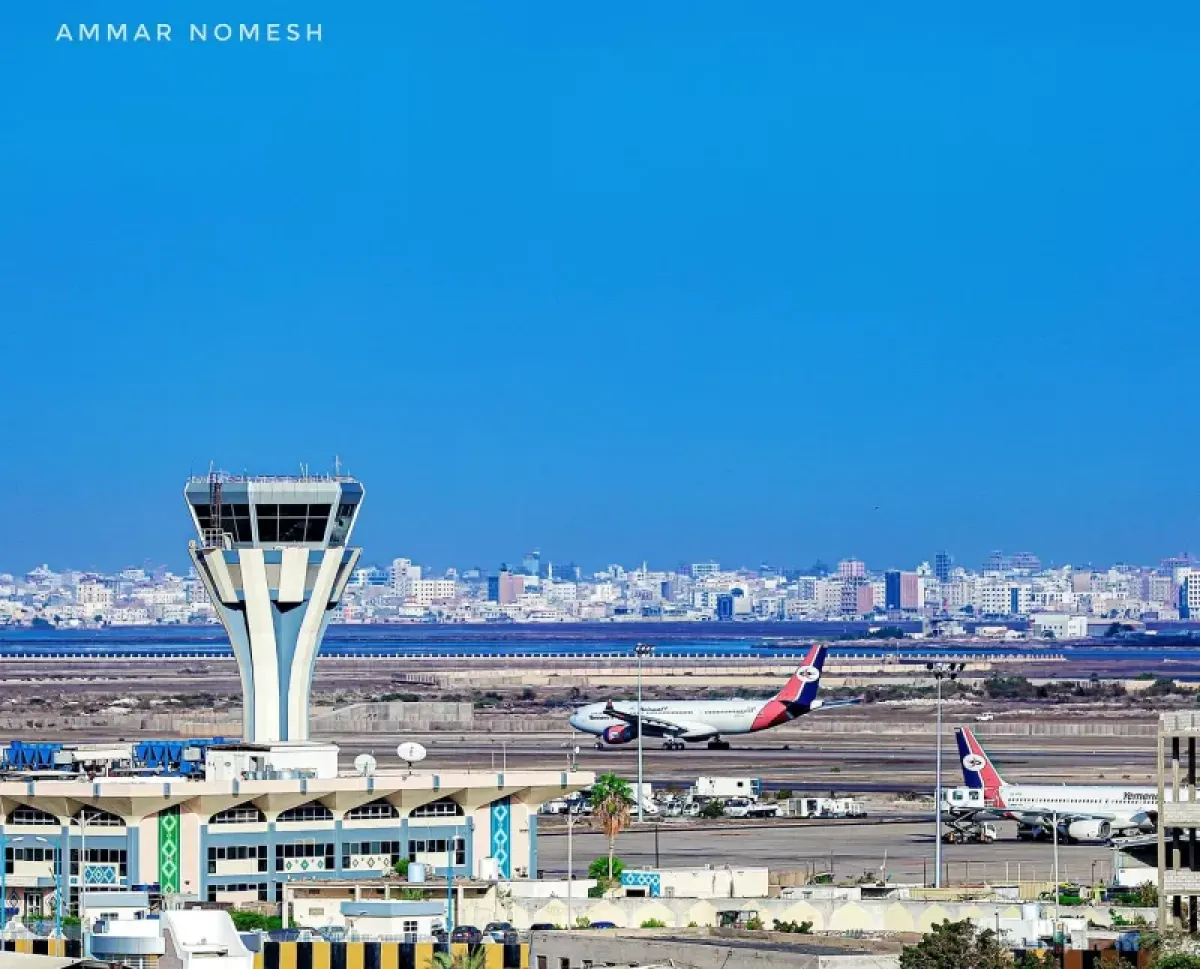
Initial indicators suggest a contrary trend, highlighted by the government's conspicuous absence from the ground. In the four and a half months since its inauguration, the cabinet has convened only seven meetings in Aden. This frequency falls significantly short of the expected weekly sessions, particularly given the widespread public discontent in the liberated areas, especially the capital, Aden. The public's frustration stems from the persistent electricity crisis and the government's inability to offer any effective relief measures.
The government's last meeting, held on May 19, preceded by approximately one month, focused on approving the liberalization of the customs dollar exchange rate. This decision was made despite warnings about its potential to exacerbate the rising cost of goods. The administration justified this move by citing the need to enhance public revenue to meet essential obligations, including salaries and services. To mitigate public backlash, the government also passed other resolutions concurrently, such as a 20% cost-of-living allowance for all state employees, addressing stalled job regularization issues dating back over 13 years, and implementing annual increments for public service employees from 2021 to 2024.
However, these mitigating decisions have not been implemented with the same urgency as the customs dollar liberalization. The primary justification for the latter, namely boosting revenue for salaries and services, has not materialized. A month after the implementation of the customs dollar liberalization, which was expected to increase customs revenue by over 100%, the government remains incapable of alleviating the electricity crisis or ensuring regular salary payments.
The government's deficit extends beyond its failure to manage and resolve crises; it also struggles to manage public anger, often resorting to promises of major projects without the capacity to execute them, as seen in the electricity sector. While failing to secure crude oil fuel for Aden's electricity from oil-producing governorates, the government has discussed ambitious projects like an electricity linkage with Saudi Arabia to secure 500-1000 megawatts, and the establishment of a 1000-megawatt gas-fired power plant.
The persistent governmental shortcomings in confronting crises are particularly perplexing given the declared Saudi support for the government, especially in the crucial areas of salaries and services. This situation suggests a fundamental issue with the government's capacity to bring about positive change and improve conditions in the liberated territories.