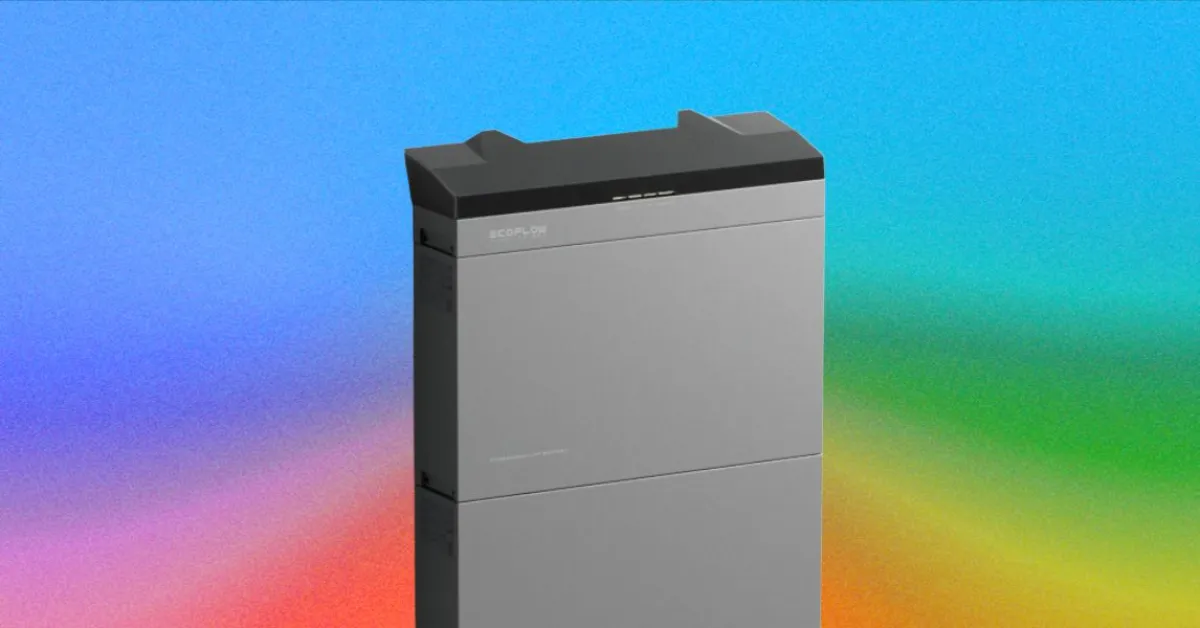
With electricity prices skyrocketing, home batteries are becoming a seriously smart investment. Whether you're looking to stash extra solar energy or just snag cheap power to use during peak hours, a home battery can be a game-changer. While getting one installed is easier than ever, the booming market can be a bit of a maze, and there are a few key things to nail down before you buy.
Think of a home battery as a massive power bank for your entire house. While some systems use lithium-ion, many opt for lithium iron phosphate (LFP) because it's safer, more durable, and less likely to go rogue. Sodium-ion batteries are also popping up, offering potential cost savings and environmental benefits, though they tend to be bulkier and don't last quite as long. The tech is often borrowed from electric vehicles, and while some have considered repurposing EV batteries, it's generally not recommended due to potential issues like draining your car overnight.
Many home batteries come as modular systems, letting you scale up your storage capacity. They need an inverter to convert the stored DC power to the AC power your home uses. If you've got solar panels or plan to get them, a hybrid inverter is the way to go, as it handles both converting panel power and managing your battery. The inverter's kilowatt (kW) rating is crucial – it determines how much power you can draw at once. Standard needs might be fine with 3.6 kW, but if you're running high-demand appliances like an EV charger or heat pump, aim for at least 5 kW, or even higher for bigger setups.
Figuring out how much battery capacity you need really depends on your goals. For off-grid living or backup power during outages, you'll need to crunch the numbers on your average usage and peak demand. If you're simply aiming to buy cheap electricity and use it later, any capacity helps, but ideally, you want enough to cover the longer stretches when off-peak rates aren't available. Since installation costs are significant, it often makes sense to get as much capacity as you can upfront, as expanding later can also require professional installation to keep your warranty intact.
Before you dive in, check if your home's electrical setup needs any upgrades – sometimes an additional breaker box is necessary. Also, research if your inverter requires permission from your local electricity provider. While some smaller systems might just need a notification after installation, larger inverters often require prior approval, which can take time and potentially incur costs. Most reputable installers can guide you through this process.
The price tag for a home battery system includes a significant chunk for professional installation. While DIY alternatives like portable power stations exist, they offer limited power. A fully installed 10-15 kWh system in the US can range from $8,000 to $15,000, depending on electrical work. Look out for potential incentives like tax credits, government grants, or utility rebates, which can significantly reduce the upfront cost. Sometimes, bundling your battery installation with solar panels or a heat pump can also lead to better deals. Your return on investment will hinge on local electricity rates and how you use your battery, but with smart usage, many expect payback within five to 12 years.