New intelligence suggests Iran's Islamic Revolutionary Guard Corps (IRGC) is establishing clandestine, agile cells within Iraq, operating outside traditional proxy militias. This strategic shift aims to adapt Iran's regional influence tools following recent confrontations with the United States and Israel.
According to an analysis published by Al-Araby Al-Jadeed, Iran, which has long relied on a broad network of armed factions across Iraq, Lebanon, Syria, and Yemen, is transitioning to a new operational model. This model favors smaller, more discreet groups directly linked to the IRGC, thereby circumventing established organizational structures that have become vulnerable to political and security pressures.
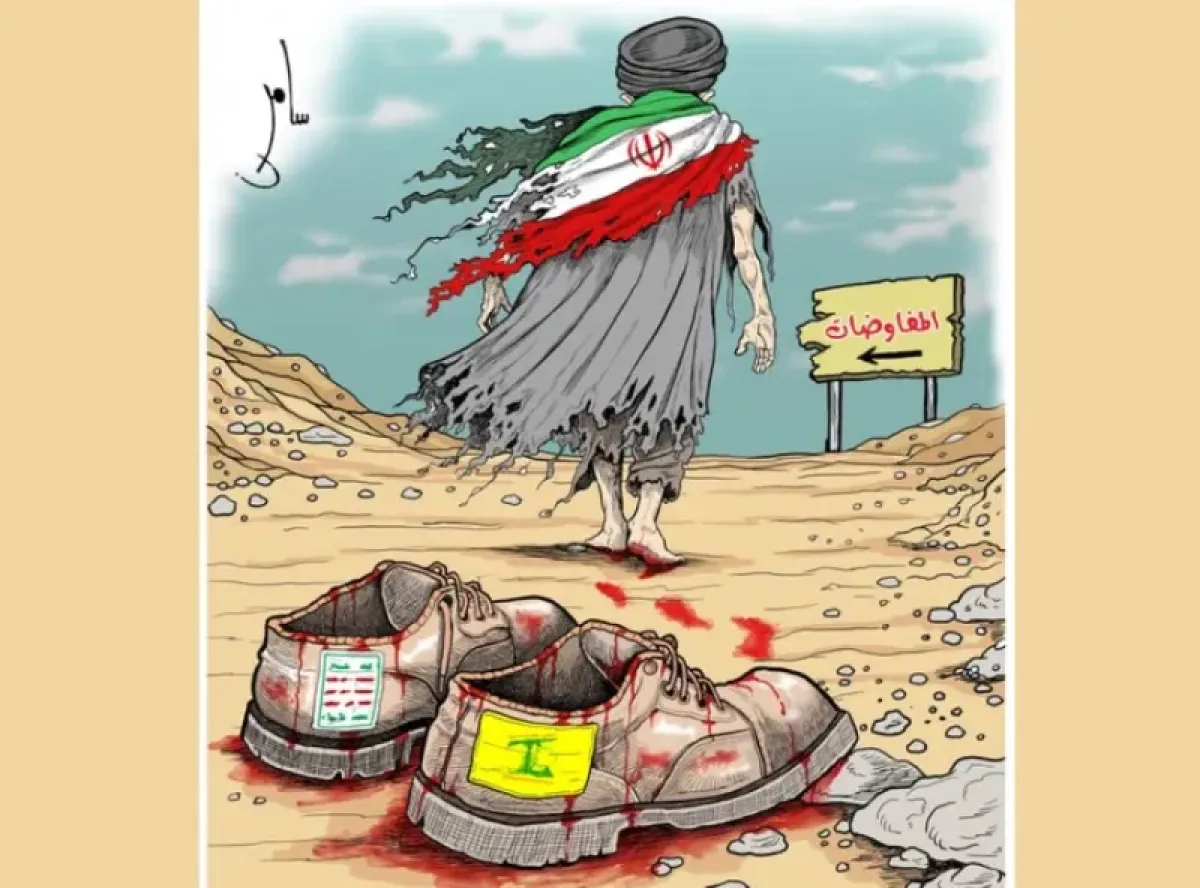
The analysis posits that this evolution signifies more than a tactical adjustment; it represents a fundamental restructuring of Iran's instruments of influence in the region. This comes in the wake of perceived military and security setbacks for the "Axis of Resistance" and amidst Iran's domestic and international economic and political challenges.
Multiple Iraqi sources cited by the newspaper indicate that these new cells comprise Shiite Iraqi fighters who have undergone advanced military training. Operating in small groups, typically no more than ten members, they are designed for rapid movement, covert operations, and enhanced adaptability compared to conventional military formations.
Information reviewed in the analysis suggests that some of these cells have already been involved in drone operations launched from southern desert regions of Iraq. These operations reportedly targeted sites in Saudi Arabia, the United Arab Emirates, and Kuwait in the weeks following the recent military escalation between Iran and the United States.
The significance of this information, according to the publication, lies in its revelation of an Iranian inclination to reduce reliance on traditional armed factions. These groups, which have served as the executive arm of Iranian policy for decades, are being supplanted by smaller networks with more direct ties to the IRGC.
Observers suggest this shift grants the Iranian leadership greater control over field operations and military decision-making, insulating them from the domestic political considerations that increasingly influence the conduct of certain Iraqi factions. The analysis notes a notable change in the stances of several influential Iraqi factions in recent years, with a growing inclination to scale back military roles and engage more deeply in the Iraqi political process. This is seen as a response to mounting domestic and international pressure to consolidate arms within state institutions and end the proliferation of non-state armed groups.
Furthermore, some factions have indicated a willingness to reorganize or integrate elements into state institutions, a move widely interpreted as an indicator of a shifting political and security environment for armed groups. From an Iranian perspective, these developments pose a direct threat to its traditional influence in Iraq, potentially diminishing Tehran's ability to leverage armed factions for its regional agenda. Consequently, the IRGC appears to be pursuing alternatives that are more loyal and less susceptible to Iraqi political pressures.
Sources underpinning the analysis confirm that some members of these clandestine cells were originally part of known factions within the "Islamic Resistance in Iraq." However, they operate outside the traditional command structure of these groups, reporting directly to the IRGC, which bolsters the hypothesis of a parallel system being constructed away from established organizational frameworks. This development, the newspaper reports, reflects a growing divergence between Iranian interests and the evolving priorities of some Iraqi factions, which are increasingly focused on domestic affairs and preserving their political and economic gains over engaging in regional conflicts that could drag the country into new confrontations.
From a security standpoint, the analysis warns that the emergence of these cells could usher in a new phase of regional security challenges, particularly for Gulf Arab states hosting U.S. military bases or maintaining close security ties with Washington. If reports of attacks originating from Iraqi territory targeting Saudi Arabia, the UAE, and Kuwait prove true, Iraq could once again become a focal point of regional tensions, serving as a platform for external actors to deliver security and military messages to their adversaries.
This development also presents a significant challenge for the Iraqi government, which is striving to consolidate state authority and centralize arms within official institutions while simultaneously maintaining balanced relations with Iran, a crucial partner in numerous political, economic, and security matters. The analysis suggests that any official confirmation of these cells' existence would intensify U.S. pressure on the Iraqi government to take more stringent measures against Tehran-linked armed groups, especially given Washington's consistent stance against the use of Iraqi territory to threaten U.S. interests or the security of its regional allies.
In a related context, the publication notes that the recent U.S.-Iran agreement, which ended direct military confrontation and paved the way for new negotiations on Iran's nuclear program and economic sanctions, did not directly address the issue of Iran's allied armed groups in the region. This implies that this issue will remain a prominent source of tension and instability in the foreseeable future, even if progress is made in political negotiations between Tehran and Washington. The newspaper posits that the shift towards clandestine cells reflects a change in the IRGC's operational philosophy. Instead of relying on large, publicly visible formations that are easier to monitor and target, Iran is moving towards building small, specialized networks capable of executing precise operations with a high degree of secrecy and flexibility.
This model, according to the analysis, resembles the methods employed by intelligence agencies and irregular organizations in conflict zones, focusing on cell-based operations and limited actions that yield political and security impact without the need to mobilize large forces or incur the costs of open confrontations. The analysis concludes that the formation of these cells is not merely a temporary security measure but represents a new Iranian strategy to rebuild regional influence through less visible and more adaptable tools suited to the changing political and security landscape. However, the success of this approach will depend on Tehran's ability to manage complex balances in Iraq and the region, and on the willingness of affected governments to confront this new pattern of security challenges.