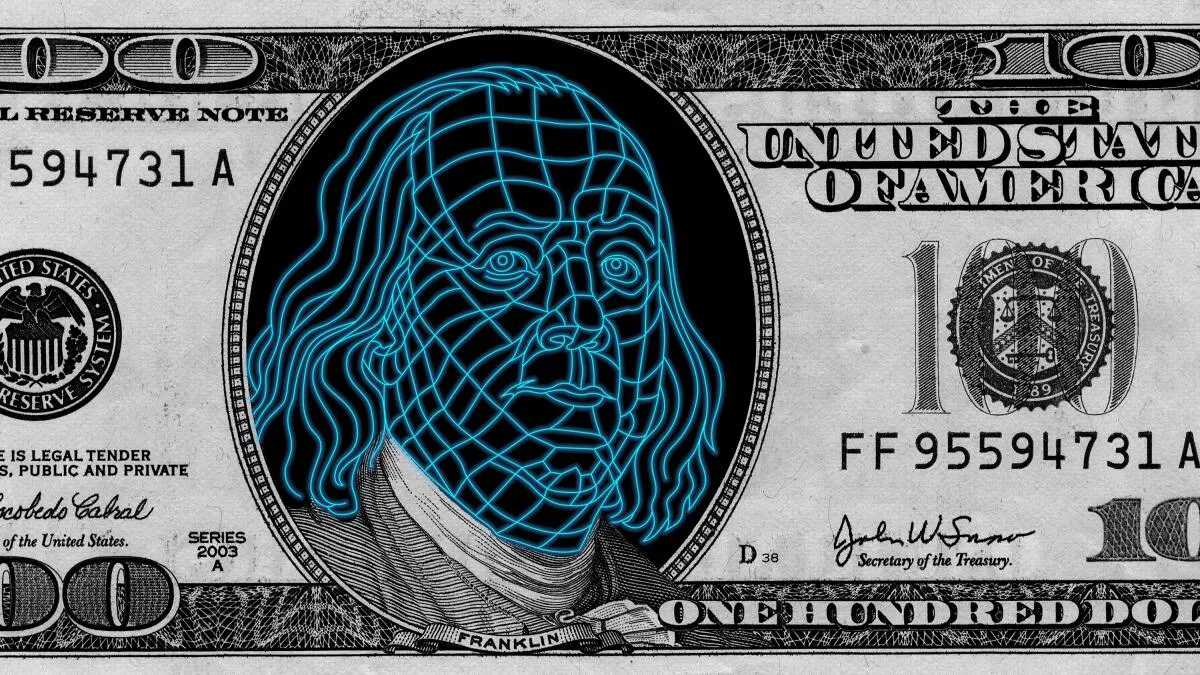
Artificial intelligence industry leaders, including OpenAI and Anthropic, are heavily funding a surge of political advertisements across the United States, spending over $37 million to influence congressional races ahead of the 2024 midterm elections.
These substantial financial contributions are channeled through super PACs with nondescript names, such as Jobs and Democracy PAC and American Mission. The AI companies, through these PACs, are becoming some of the most significant outside spenders in the current election cycle. This aggressive political engagement reflects a growing willingness among emerging technology firms to leverage their financial power to achieve political objectives, a strategy previously adopted by the cryptocurrency industry.
The AI companies are backing distinct approaches to AI regulation. OpenAI advocates for federal-level regulation exclusively, while Anthropic supports more stringent oversight, including state-level initiatives. These divergent views are manifesting in a widespread advertising campaign targeting congressional districts nationwide. The use of super PACs allows for unlimited fundraising and spending, a consequence of the 2010 Citizens United Supreme Court decision.
In some instances, the political spending by AI-backed groups has surpassed the campaign budgets of the candidates they support. One candidate in a Montana Republican congressional primary, Al Olszewski, lamented being "crushed" by an opponent who received $877,000 in advertisements from a super PAC linked to an OpenAI co-founder. The AI behemoths maintain their independence from these political groups, though financial ties suggest significant influence. For example, one PAC received $25 million from OpenAI co-founder Greg Brockman and his wife, alongside $100 million from a major venture capital firm with a substantial stake in OpenAI.
The AI industry's political spending marks a departure from historical tech sector engagement with politics. Companies like Google, for instance, did not employ in-house lobbyists until after their initial public offering. The substantial financial stakes for these technology companies are underscored by the ongoing debate over AI policy, which is far from settled. This includes regulatory challenges and national security concerns, such as a recent ban on Anthropic's most powerful AI model for foreign nationals and even the company's own employees.
A notable exception to the AI-backed groups generally avoiding direct competition occurs in the Democratic congressional primary in Manhattan, where millions have been spent by both OpenAI- and Anthropic-aligned PACs. The focus of this spending is Alex Bores, a former Palantir data scientist who sponsored a state bill mandating transparency in AI safety protocols. Ads from the OpenAI-backed group question Bores' trustworthiness, citing his support from tech billionaires, while ads from the Anthropic-backed network highlight his bill as evidence of his suitability for office.