A recent directive from Yemeni Prime Minister Dr. Shaei Mohsen Al-Zindani prohibiting ministers, their deputies, and undersecretaries from traveling abroad without prior written permission has reignited a sensitive issue in the current Yemeni political landscape. This comes at a time of escalating living crises, service disruptions, and economic collapse in the liberated governorates, making any government decision susceptible to public scrutiny fraught with skepticism rather than optimism.
While officially presented as a measure to enhance institutional performance and rationalize public spending, the decision has sparked widespread debate since its issuance. Reactions have ranged from cautious approval in principle to outright ridicule on social media platforms, questioning the seriousness of its implementation and its potential to become a practical reality on the ground.
According to the government circular, land, sea, and air ports are strictly instructed to prevent any official from traveling without prior written approval. This measure is intended to control official expenditures, particularly as state institutions grapple with severe financial imbalances and a significant decline in their capacity to provide essential services.
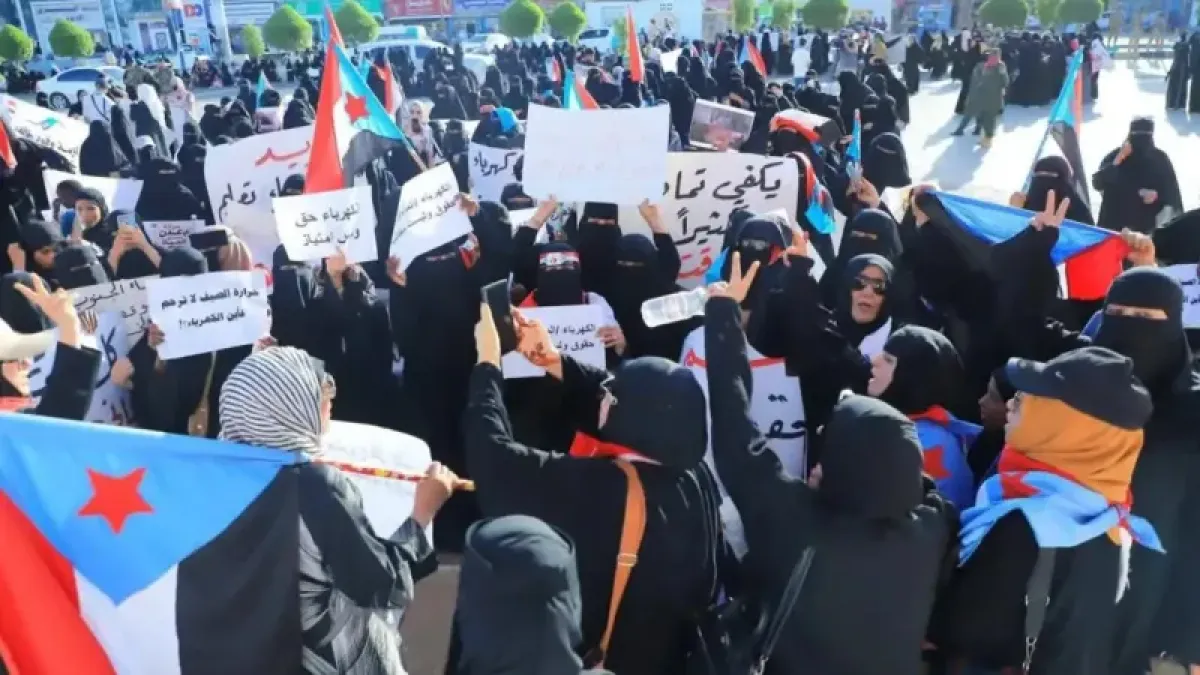
However, many in the public perceive this decision not as an administrative reform but rather as a "political and media message" aimed at appeasing growing public anger over the difficult living conditions, characterized by electricity shortages, delayed salaries, rising prices, and a diminishing purchasing power for citizens.
Critics highlight that a significant drain on public funds stems from the continued overseas travel of officials, often without clear links to essential official duties. This raises recurring questions about the cost of these trips to a state treasury facing a severe deficit, juxtaposed against the deteriorating humanitarian and economic situation experienced by citizens.
Critics argue that these recurring annual trips impose an additional burden on public finances, encompassing travel tickets, accommodation, and allowances, as well as disrupting institutional performance domestically. Meanwhile, citizens are urged to reduce non-essential expenditures and redirect resources toward critical basic services that have deteriorated to alarming levels.
The public reaction has been largely indignant, with many viewing the decision as a repetition of "temporary government announcements" that emerge during periods of public pressure, only to gradually fade without translating into tangible commitments or strict oversight mechanisms to ensure implementation.
Public and media interpretations suggest these decisions are more akin to an " الإعلامي halo" (media spectacle) designed to placate public opinion rather than fundamental reform measures, especially given the history of similar resolutions that have failed to produce a discernible impact on the administrative apparatus's behavior or curb the phenomenon of frequent official travel.
This situation unfolds within a complex political, security, and economic environment where crises intertwine and decision-making centers are interconnected. The application of such directives depends not only on administrative will but also on the state's ability to enforce discipline within its institutions amidst a multitude of influence and power centers.
The current decision brings to the forefront a series of past measures taken by successive Yemeni governments to limit official travel and compel officials to remain within the country, none of which have yielded sustainable results.
In June 2017, the late President Abd Rabbu Mansour Hadi issued directives prohibiting any government official from traveling abroad without prior permission, in an attempt to regulate executive leadership and link them to their duties within the country.
In June 2018, former Prime Minister Ahmed Obaid Bin Daghr directed ministers, undersecretaries, and directors-general to return to Aden and Marib to perform their duties internally, but practical implementation remained limited and intermittent.
In August 2023, Chairman of the Presidential Leadership Council Dr. Rashad Al-Alimi issued similar directives obliging officials to return to the country to activate state institutions from within, as part of what he described as a "reform vision to restore institutional discipline."
In March 2024, the government adopted additional measures within a package of financial and administrative reforms, including tightening restrictions on official travel. This was followed in November 2025 by austerity measures that involved reducing official delegations and strengthening oversight on foreign travel, as part of declared efforts to rationalize public spending.
Despite the recurrence of these decisions, observers believe the issue lies not in the absence of texts or directives, but in the lack of implementation, oversight, and accountability tools. This renders the repeated decisions more akin to circumstantial reactions to public pressure rather than long-term reform policies.
Amidst the ongoing living crisis and the erosion of trust between the public and the authorities, the paramount question remains: does the current travel ban decision signal the beginning of a genuine change in the state's management style and a reduction in public fund wastage, or is it merely another chapter in the series of "reform announcements" that resurface periodically only to recede without any discernible impact on the lives of citizens?