United Nations envoy's military advisor held meetings with Houthi representatives in Sana'a to discuss mechanisms for monitoring the Hodeidah agreement, despite ongoing Houthi military violations and escalations.
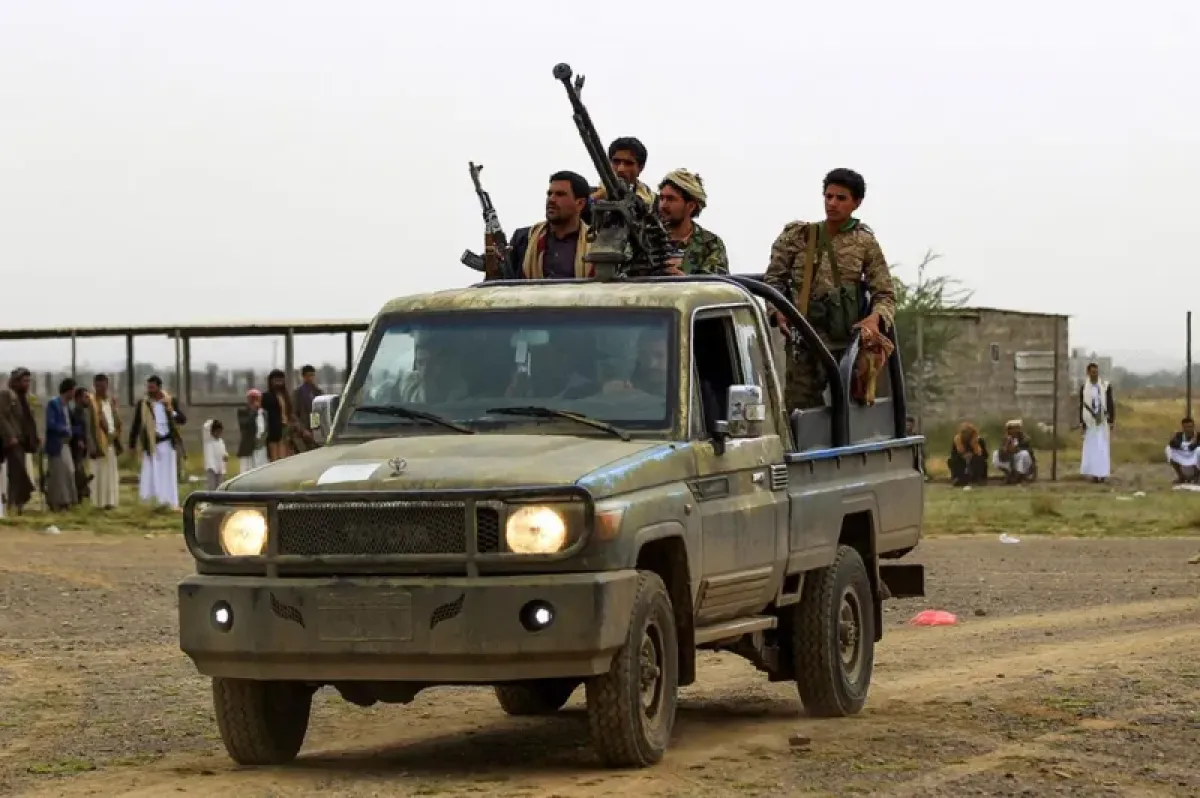
Recent engagements by the UN envoy's military advisor and head of the Redeployment Coordination Committee, Anthoni Haward, have drawn significant questions and criticism. Haward met with Ali Al-Moshki, the Houthi representative on the committee, in Sana'a to explore ways to follow up on the Hodeidah agreement. This occurs while the Houthi group continues to breach the accord militarily, escalate hostilities in the province's fronts, and threaten international navigation in the Red Sea.
According to Houthi-affiliated media, the meeting, attended by the UN envoy's office director, Mohammed Al-Gharbi, addressed the arrangements for the UN office's work in the upcoming phase following the integration of the UN Mission to support the Hodeidah Agreement (UNMHA) into the Special Envoy's office. Discussions also covered the plan for following up on Hodeidah agreement-related files and future coordination mechanisms.
Observers note that the Hodeidah agreement, signed as part of the Stockholm Understandings in late 2018, has been consistently undermined over the past years due to repeated Houthi violations. The province has been transformed into a platform for military activities, threatening international shipping lanes. This situation raises doubts about the efficacy of the UN's continued engagement with the group as a partner in implementing the agreement, especially as the Yemeni government and anti-Houthi forces accuse the group of continuous violations.
During the meeting, the Houthi representative criticized the UN and accused the legitimate government of obstructing the work of the Redeployment Coordination Committee. He notably failed to address accusations against the Houthis regarding continued military build-up on Hodeidah fronts and the use of coastlines under their control to threaten international navigation and conduct naval attacks that have raised regional and international concerns in recent months.
Analysts suggest that the UN's focus on reactivating agreement mechanisms, without practical measures to hold the obstructing party accountable or compel compliance, provides the Houthis with another opportunity to leverage the UN process politically without making genuine concessions on the ground. This pattern has recurred since the signing of the Stockholm Agreement.
The timing of the meeting is also questionable, occurring weeks after a surge in Houthi military activities across several fronts on the West Coast and continued threats to navigation in the Red Sea and Bab al-Mandab strait. These actions directly contradict the objectives for which the UN Mission to support the Hodeidah Agreement was established: to maintain de-escalation and protect vital maritime corridors.
These developments follow the cessation of UNMHA's mandate and the transfer of its responsibilities to the Special Envoy's office. While the UN states this aims to preserve de-escalation, reduce tensions, and enhance maritime security, observers believe the success of any UN initiative remains contingent on robust monitoring and accountability mechanisms for ongoing violations, rather than merely holding meetings and reiterating understandings that have failed to halt escalation or ensure agreement implementation in past years.