The joint GCC-US ministerial meeting sent clear political and security messages regarding the future of regional arrangements in the Gulf, emphasizing that the security and interests of the GCC states are a fundamental pillar that cannot be compromised in any regional understandings or agreements. This stance was particularly noted amidst ongoing diplomatic engagement between Washington and Tehran, following a memorandum of understanding that could pave the way for de-escalation.
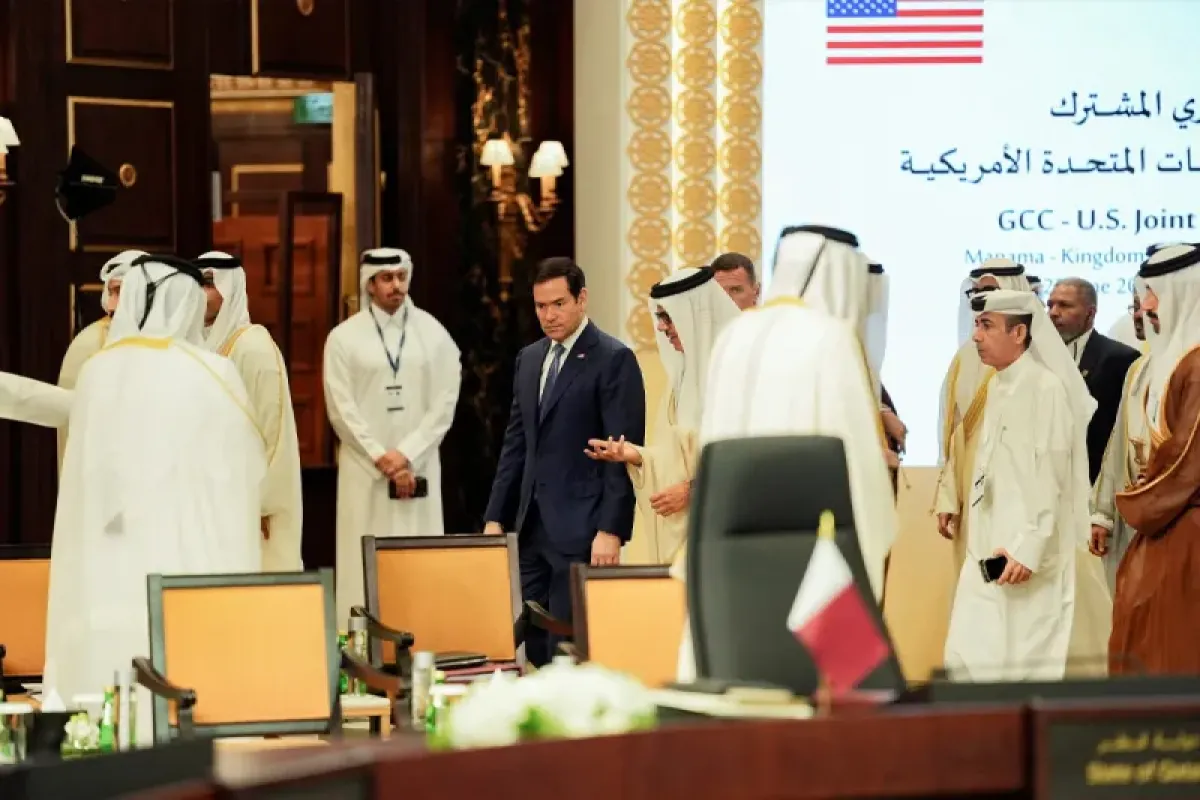
The meeting, hosted in Manama, Bahrain, involved the foreign ministers of GCC states and US Secretary of State Marco Rubio. It convened at a highly sensitive juncture as the United States seeks to reassure its Gulf allies about the trajectory of negotiations with Iran and the future of regional security issues, notably the security of navigation in the Strait of Hormuz and Iran's nuclear program.
GCC Secretary-General Jassim Al-Budaiwi stated that the ministers stressed the necessity for any future understandings or arrangements to incorporate the requirements of GCC states, safeguarding their interests and ensuring their security and stability. He highlighted that participants affirmed the importance of basing any future agreements on the principles of international law, respect for state sovereignty, good neighborliness, and non-interference in internal affairs.
This Gulf position reflects the member states' determination to ensure their presence in any forthcoming regional arrangements and to avoid repeating past experiences where international understandings concerning regional issues were reached without the direct involvement of the Gulf states, who were most affected by the security and political repercussions.
US Secretary of State Marco Rubio sought to allay Gulf concerns related to the ongoing negotiations with Iran, asserting that any future agreement would not be at the expense of the security and interests of US partners in the region. Rubio indicated that the United States aims for a "good, real, and achievable agreement," emphasizing Washington's openness to peace but insisting on a lasting peace that guarantees the security of the United States and its allies, particularly the Gulf states.
The US Secretary of State underscored that a primary condition for any agreement with Tehran is ensuring Iran does not acquire nuclear weapons, noting this issue will remain a top priority for the US administration in upcoming negotiations. He also confirmed the US readiness and willingness to support a settlement process, but will not endorse any agreement that fails to meet the requirements for regional stability or disregards the concerns of Gulf allies.
The issue of the Strait of Hormuz received particular attention, given the debate surrounding arrangements for the strait following the US-Iran memorandum of understanding and reports about potential new tolls or regulations for maritime traffic. Rubio reiterated the United States' firm rejection of any tolls on vessels transiting the strait, emphasizing that Hormuz is an international waterway not owned by any single nation, and that imposing fees could set a dangerous precedent threatening global navigation freedom.
He warned that allowing tolls on international maritime passages simply due to their proximity to a nation's territory could "spread like a contagion throughout the rest of the world," highlighting the potential ramifications for international trade and global energy security. These statements carry significant weight, considering the Strait of Hormuz is a vital global energy artery, through which a substantial portion of oil and gas exports from Gulf states to world markets passes.
In a related development, Omani Foreign Minister Badr Al-Busaidi affirmed that any future arrangements concerning the strait would not include transit fees, emphasizing Oman's commitment to maintaining maritime navigation security in accordance with international law and the UN Convention on the Law of the Sea.
While asserting security constants, GCC states expressed clear support for the ongoing diplomatic process between the United States and Iran, welcoming all efforts contributing to de-escalation and enhancing regional security and stability. The statement issued after the meeting stressed the importance of continuing efforts to protect maritime corridors, ensure freedom of navigation, and respect international law, as these are essential factors for regional and global economic stability.
Observers interpret the GCC stance as a combination of supporting opportunities for détente and ending regional tensions, while simultaneously insisting that Gulf security interests must not be circumvented or the status of GCC states as key partners in any regional future arrangements be undermined. The Manama meeting signals a new phase of GCC-US coordination aimed at ensuring GCC states are an integral part of any security or political equation emerging from US-Iran understandings, particularly in light of the rapid regional transformations and the challenges associated with energy security, navigation, and regional stability.