Rising tensions between the Houthi group and Yemeni tribes in Houthi-controlled areas signal a potential shift from alliance to confrontation, driven by perceived infringements on tribal status and social influence. Initially a cornerstone of Houthi power, tribal support is now strained by a series of violations and actions interpreted as direct assaults on traditional tribal authority.
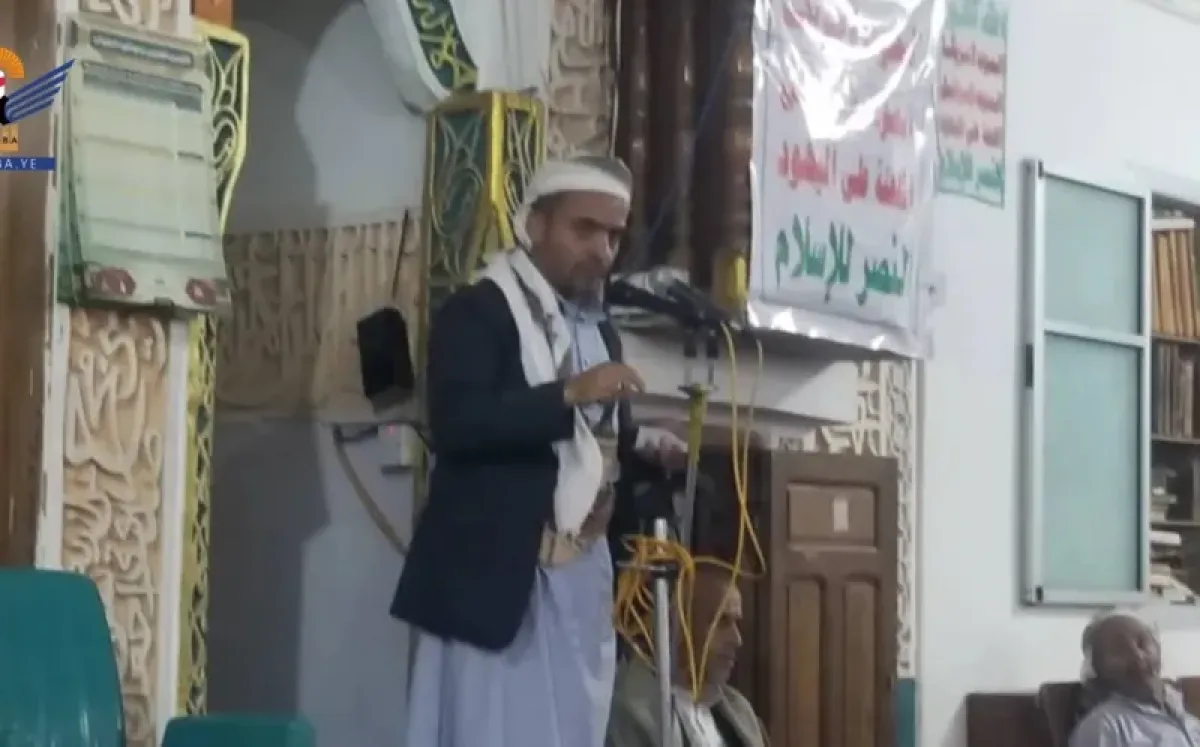
The recent case of prominent tribal leader Sheikh Hamad bin Rashid bin Fadgham Al-Hazmi, a key figure in Al-Jawf governorate, exemplifies this escalating crisis. Sheikh Al-Hazmi's abduction, detention for weeks, and subsequent public account of psychological torture and coercion have revived critical questions about the future of Houthi-tribal relations and the possibility of open conflict arising from accumulated resentment.
The incident, which began on May 12th with the abduction of Sheikh Al-Hazmi and Rabee'ah Al-Mera'a near Sana'a, stemmed from Al-Mera'a seeking tribal arbitration after her property was confiscated by the Houthis. After over a month in detention, both were released, with Sheikh Al-Hazmi relocating to eastern Al-Jawf. He later described his treatment as extreme humiliation, alleging denial of medical care and pressure to confess to unrelated charges.
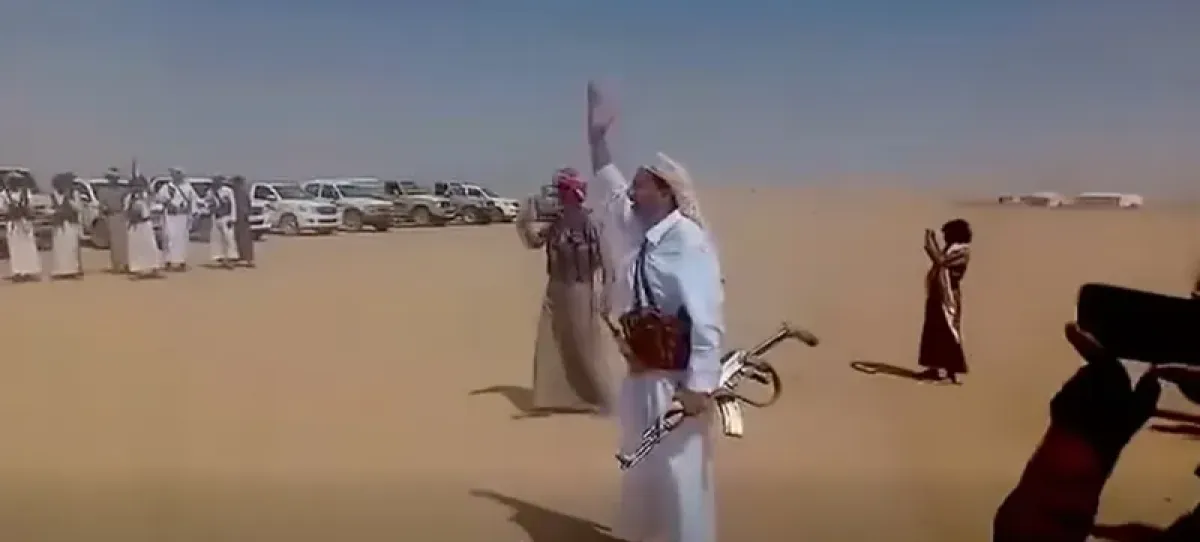
A significant symbolic act followed, as Sheikh Al-Hazmi broke the "Jafal" of his jambiya (dagger) before tribal gatherings. This deeply rooted Yemeni tradition signifies a plea for tribal support and elevates the issue to one of honor and dignity, making it difficult for the Houthis to ignore or dismiss.
Since seizing Sana'a in late 2014, the Houthis recognized the necessity of securing tribal acquiescence or neutrality for their control over northern Yemen. They cultivated alliances, leveraging past political legacies and wartime divisions. However, these relationships were often pragmatic, based on mutual interest rather than deep ideological alignment. Yemeni tribes, inherently valuing autonomy, have historically maintained a degree of independence, fostering a cautious dynamic with the Houthi movement.
Observers suggest the current tensions go beyond individual incidents, pointing to a systematic effort to reshape tribal influence. The expansion of Houthi "supervisors" with broad powers, often superseding traditional sheikhs, and the promotion of loyalists at the expense of historical tribal leadership are seen as attempts to engineer the social landscape to serve the Houthi agenda and diminish tribal autonomy. For many tribes, this challenges not only power dynamics but also a comprehensive system of customs and traditions that have long regulated social order and maintained balance.
In Yemeni tribal culture, a sheikh embodies the honor, prestige, and social standing of the entire tribe. Any perceived affront to a sheikh is often interpreted as an attack on the collective tribal identity. Recurring detentions and humiliations of tribal figures have fostered widespread discontent, even if not always manifesting in direct armed confrontation. Analysts believe continued Houthi policies may compel tribes to reassess their relationship, particularly as the perception grows that the Houthis no longer view them as partners but as entities to be subjugated.
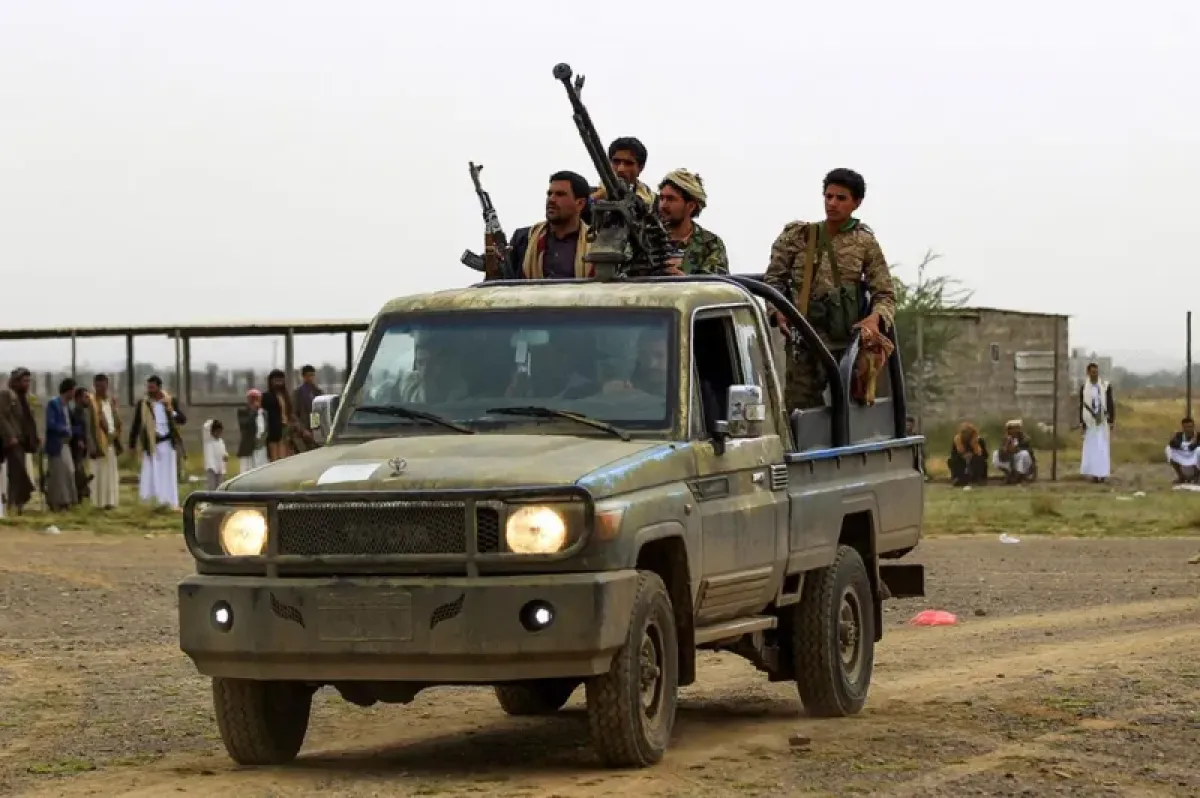
Despite widespread dissatisfaction, most tribes have so far avoided open confrontation due to the Houthis' stringent security and military grip, fear of reprisal, and internal tribal divisions exacerbated by years of conflict. The Houthis have also employed a mix of incentives, coercion, and economic pressure to co-opt some leaders and weaken others, hindering the formation of a unified tribal stance. Nevertheless, this compliance does not necessarily signal genuine support; many tribes view the Houthis as a de facto authority rather than a preferred choice.
This crisis extends beyond politics, impacting Yemen's social and cultural fabric. Tribes historically grounded in consultation, consensus, and adherence to local customs are now confronting an ideological project seeking to reorient social loyalties. Researchers warn that this trajectory could weaken the traditional tribal structure, which has been vital for social equilibrium and conflict resolution, potentially destabilizing broad regions of the country.
While clear signs of a comprehensive tribal rebellion are absent, the accumulated resentment and growing discontent over Houthi practices raise serious questions about the future of their relationship. Yemeni history demonstrates that tribes, though seemingly quiescent, can become decisive forces when their dignity or historical standing is threatened. With repeated detentions, humiliations, and marginalization, coupled with a widening rift between the Houthis and the tribal environment, the prospects for social and political upheaval appear more pronounced than ever, even if their ultimate form remains indistinct.
Ultimately, the Houthi group faces a complex equation. The tribal power that facilitated their ascent may become a significant challenge if policies of exclusion and subjugation persist. Each new violation against sheikhs and elders, and every attempt to undermine tribal norms or historical roles, deepens resentment within a society that regards dignity and social standing as inviolable red lines. Therefore, the future of Houthi-tribal relations will hinge not only on military power but also on the Houthi capacity to engage with a tribal society that views respect for customs and dignity as fundamental to any sustainable political relationship.