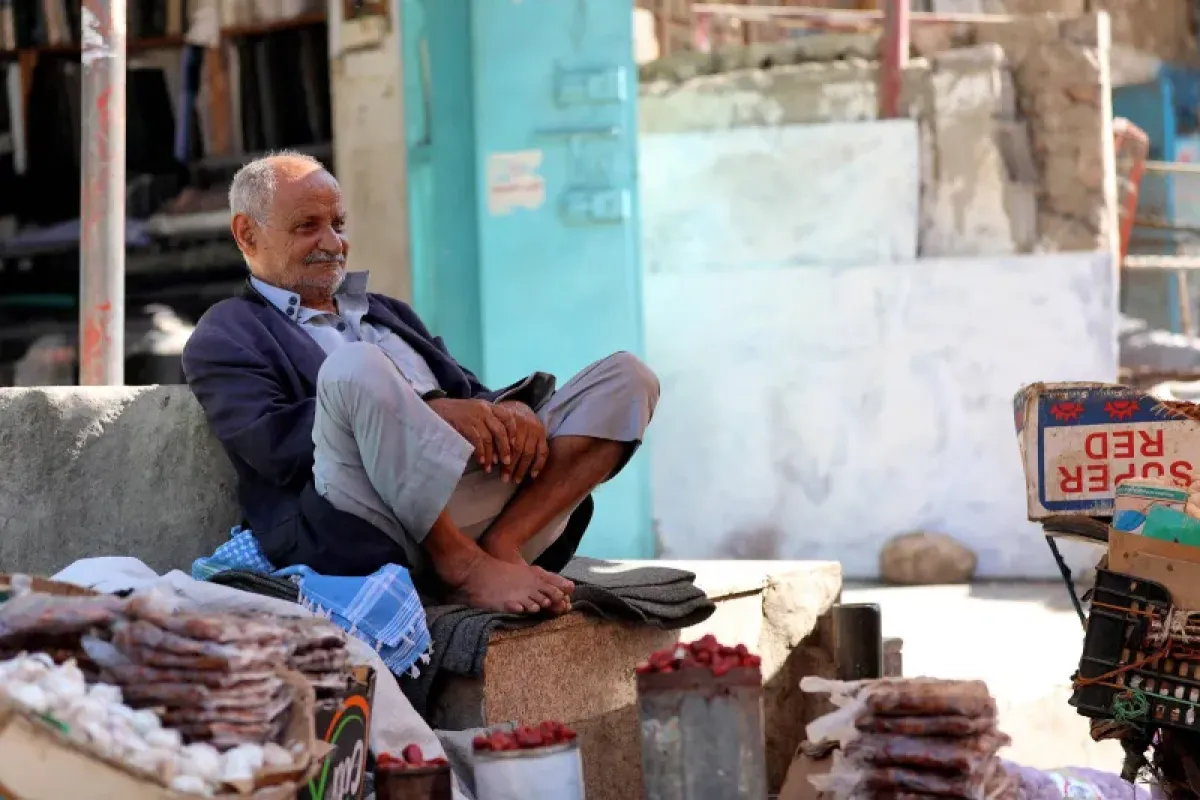
Yemenis are enduring one of the most complex and persistent humanitarian tragedies of the modern era, trapped between the authoritarian grip of the Houthi group and the perceived ineffectiveness of the internationally recognized government. Over a decade of conflict and institutional collapse has transformed the nation into a landscape of widespread poverty, hunger, disease, and economic ruin, with no tangible solutions emerging from the warring factions.
The Houthi movement continues to consolidate its control over significant parts of northern Yemen, while the legitimate government struggles to administer liberated areas amidst persistent challenges and repeated failures. This dual failure has left Yemeni citizens deprived of the most basic necessities for a dignified life, their suffering becoming a daily testament to a nation exhausted by war and drained by political and military strife. The crisis's impact has extended beyond the battlefield, permeating every household, street, and institution. Electricity is a distant dream for many cities, water and health services are alarmingly deteriorating, and prices are escalating wildly as citizens' purchasing power erodes, the national currency devalues, and employment opportunities dwindle, reflecting a systemic collapse of the state and its infrastructure.
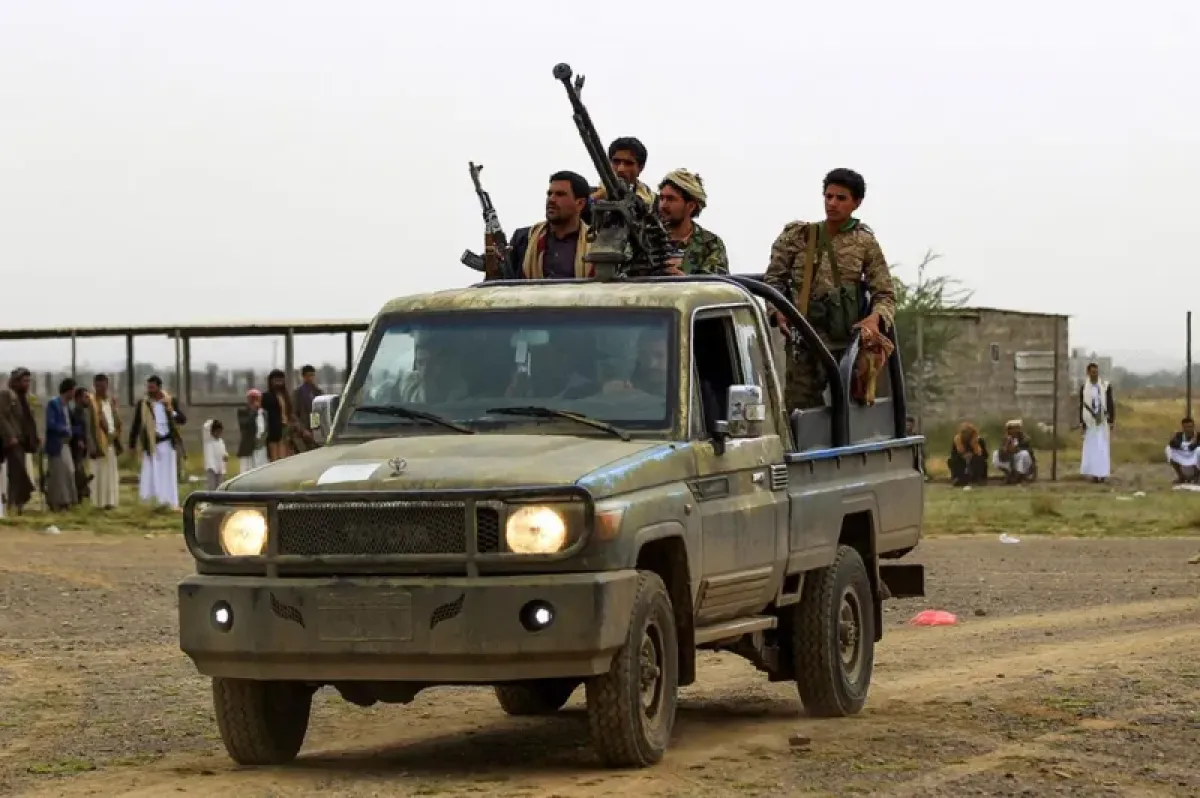
Since seizing Sanaa in September 2014, the Houthi group has established a governance model centered on security and military decision-making, buttressed by ideological rhetoric that has bolstered its political and military standing at the expense of civilian state institutions. Throughout the war years, the group has expanded its influence over state apparatuses and public resources, imposing a wide array of taxes, levies, and financial fees that have burdened various economic and commercial sectors, thereby exacerbating the living conditions for citizens and the private sector in areas under its control. Furthermore, continuous military mobilization policies and the recruitment of thousands of fighters have depleted the society's human and economic resources at a time when the country critically needed to direct its potential towards development, reconstruction, and the improvement of essential services. Observers note that while the group has succeeded in solidifying its security and military influence, it has failed to present an administrative or economic model capable of addressing the escalating crises. Poverty, unemployment, and hunger rates continue to rise, while public and political freedoms face increasing restrictions, deepening popular discontent and undermining prospects for sustainable stability.
Conversely, the legitimate government, despite substantial regional and international support since the war's outbreak, has failed to build strong, effective institutions capable of managing liberated areas and presenting them as a viable model of the desired state. Years after reclaiming significant parts of the country from Houthi control, these regions continue to grapple with recurrent crises in electricity, water, and basic services, alongside persistent economic decline and the rapid devaluation of the national currency, directly impacting citizens' lives. Political infighting, multiple centers of influence, and poor coordination among state institutions have weakened governmental performance and hampered decision-making processes, leading many citizens to feel that the gap is widening between their aspirations and their lived reality. Analysts assert that the government has failed to capitalize on opportunities to rebuild state institutions and strengthen its presence in liberated areas, resulting in the erosion of public trust and fostering greater societal frustration and discontent.
The Yemeni economy stands as one of the war's most significant casualties, having sustained successive blows that have crippled its ability to recover or even maintain minimal stability. The conflict has destroyed vast swathes of economic infrastructure, disrupted numerous productive sectors, and divided financial and monetary institutions. Moreover, oil and gas exports, once the primary source of public revenue, have declined sharply. As this situation persists, millions of families are unable to meet their basic needs, and the circle of poverty expands unprecedentedly. Salaried employees have lost a significant portion of their purchasing power, while the unemployed and low-income individuals face a daily battle for survival. Economists warn that the continuation of the current decline without radical reforms and genuine solutions will lead the country into a more perilous phase, making economic reconstruction or the restoration of financial stability difficult in the near future.
Despite a reduction in direct military operations on some fronts in recent years, the humanitarian crisis has shown no tangible improvement, instead becoming more complex due to the cumulative effects of war and economic collapse. Millions of Yemenis suffer from food insecurity, malnutrition, and a lack of basic services. The healthcare system faces immense challenges due to funding and resource shortages, while the education sector struggles to remain operational amidst dire conditions that threaten the future of entire generations. International organizations emphasize that Yemen remains one of the world's largest humanitarian hotspots, with millions relying on aid for survival, even as international response wanes and challenges mount for relief organizations.
After more than a decade since the crisis began, the average Yemeni citizen is less concerned with political slogans or military calculations and more focused on securing electricity, water, medicine, food, and employment that preserves their dignity. Yemenis, caught between Houthi authority in the north and the legitimate government in liberated areas, are paying the price for accumulated failures and ongoing conflicts they did not initiate. While various powers trade accusations regarding responsibility for the deteriorating situation, the suffering of the populace grows, and the gap between their basic needs and the ability to meet them widens. In the absence of a unifying national vision and amidst continued political and economic divisions, Yemen appears to be heading towards a more complex and dangerous phase, with millions of Yemenis standing on the brink of despair, awaiting a glimmer of hope that might restore the state's presence, societal stability, and the citizen's right to a dignified life. The question that looms large is: for how much longer will Yemenis remain caught between the Houthi hammer and the anvil of the legitimacy, as the state erodes, poverty and hunger spread, and the country inches closer than ever to the precipice of total collapse?