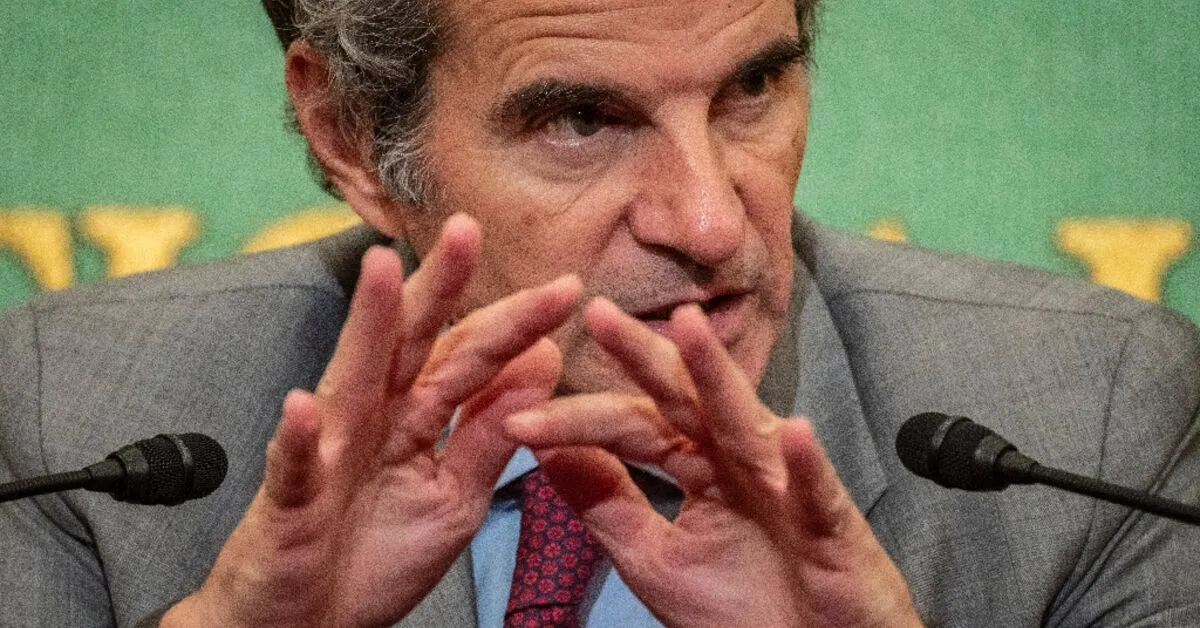
The head of the United Nations' nuclear agency stated on Friday that Iran's commitment to not develop nuclear weapons requires "very strong" verification mechanisms, amidst ongoing negotiations between the United States and Iran aimed at establishing a permanent resolution to their conflict.
Iran's nuclear program remains a significant point of contention in the broader discussions to end the Middle East war, which escalated significantly in late February. A preliminary agreement to cease hostilities was signed last week, initiating negotiations that are expected to address numerous disputes, including the contentious nuclear issue.
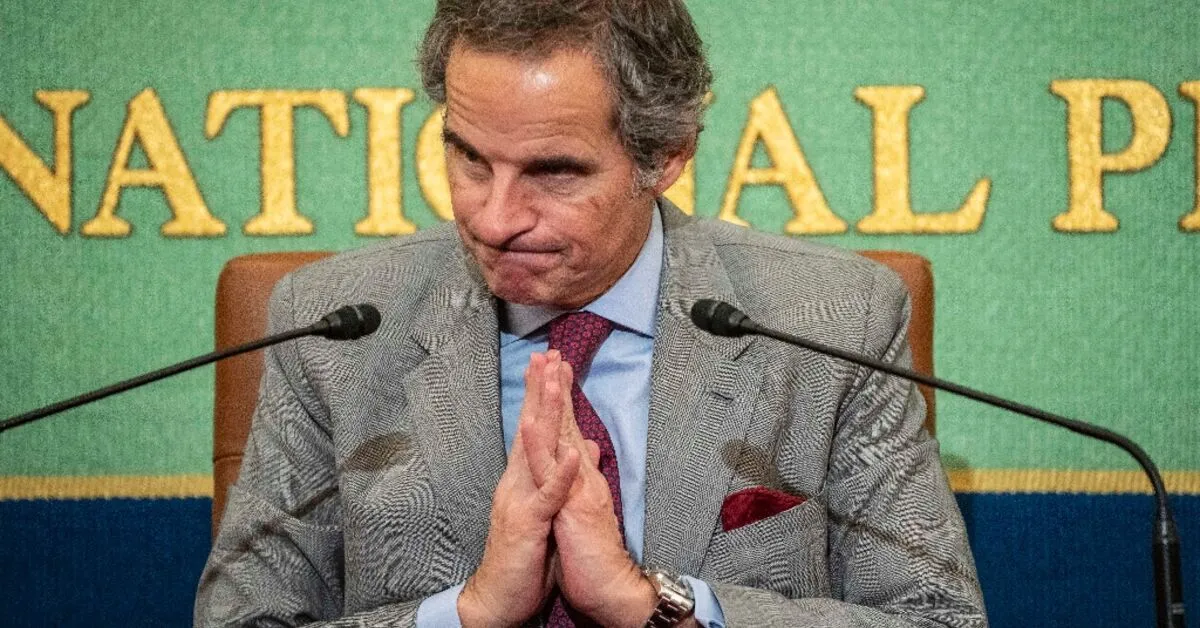
Conflicting reports have emerged from Tehran and Washington regarding the extent of access UN inspectors will be granted to Iranian nuclear facilities. Rafael Grossi, the Director General of the International Atomic Energy Agency (IAEA), emphasized that while Iran has clearly stated its intentions are not to develop nuclear weapons, "intentions are not enough." He stressed the necessity of implementing a "very strong verification system in place... as soon as is practicable."
Grossi indicated that the IAEA has only "barely initiated" discussions with Iran following the preliminary deal with the United States. The agreement stipulates that Iran's stockpile of enriched uranium must be "downblended" under IAEA supervision. Prior to the conflict, the IAEA estimated Iran possessed 440 kilograms of uranium enriched to 60 percent purity, though the status of this stockpile is uncertain after alleged bombings of Iranian nuclear sites. Uranium enriched to 90 percent can be used for nuclear weapons. Grossi confirmed that "initial conversations have taken place" and that the IAEA anticipates this work will accelerate.
The dispute over Iran's nuclear activities has long been a source of tension with Western nations, who suspect Tehran of pursuing nuclear weapons capabilities. Iran consistently denies these allegations, asserting its right to a civilian nuclear program. While US President Donald Trump stated on Tuesday that Tehran had "fully and completely agreed" to allow UN inspectors, Grossi confirmed on Wednesday that inspections were "going to happen." However, Iran indicated this week that it has no intention of permitting the IAEA's access.
The 2015 nuclear accord, which placed limits on Iran's program in exchange for sanctions relief, was abandoned by the Trump administration. Iran subsequently suspended cooperation with the IAEA last year. Grossi mentioned that an alternative to diluting enriched uranium could involve its removal from Iran, noting that "there are a few technical alternatives to deal with the material."
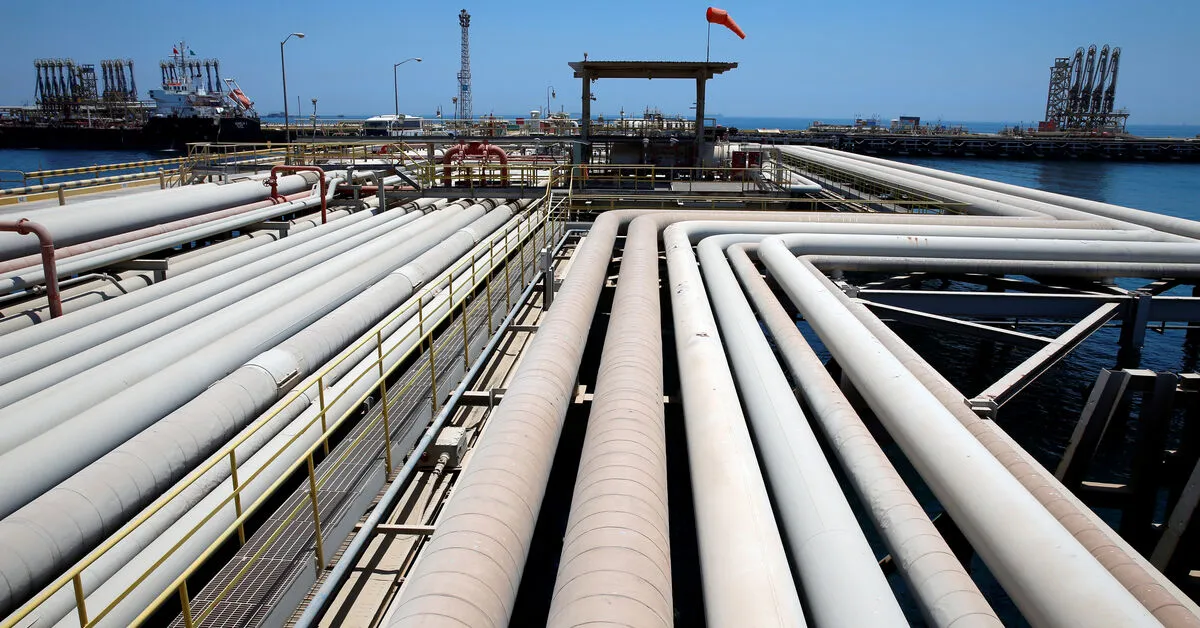
The nuclear dispute poses a threat to efforts to secure a lasting peace settlement, with the Strait of Hormuz emerging as another critical issue. Iran's control over this vital waterway, a chokepoint for global energy shipments, has become a key negotiating leverage. Recent incidents, including an attack on a ship in the strait, have further complicated the situation. Separately, Iran's proposed fees for passage through the strait have been met with strong opposition from Washington and Gulf nations.
Despite diplomatic progress, Iranian citizens report no tangible improvements in their daily lives. "Overall, nothing has improved," stated Amir, a 28-year-old government employee. Another resident, Mehdi, 35, commented that "until such changes are felt in people's everyday lives, it is only natural that hope will remain accompanied by doubt, and that anticipation will give way to exhaustion and anxiety."