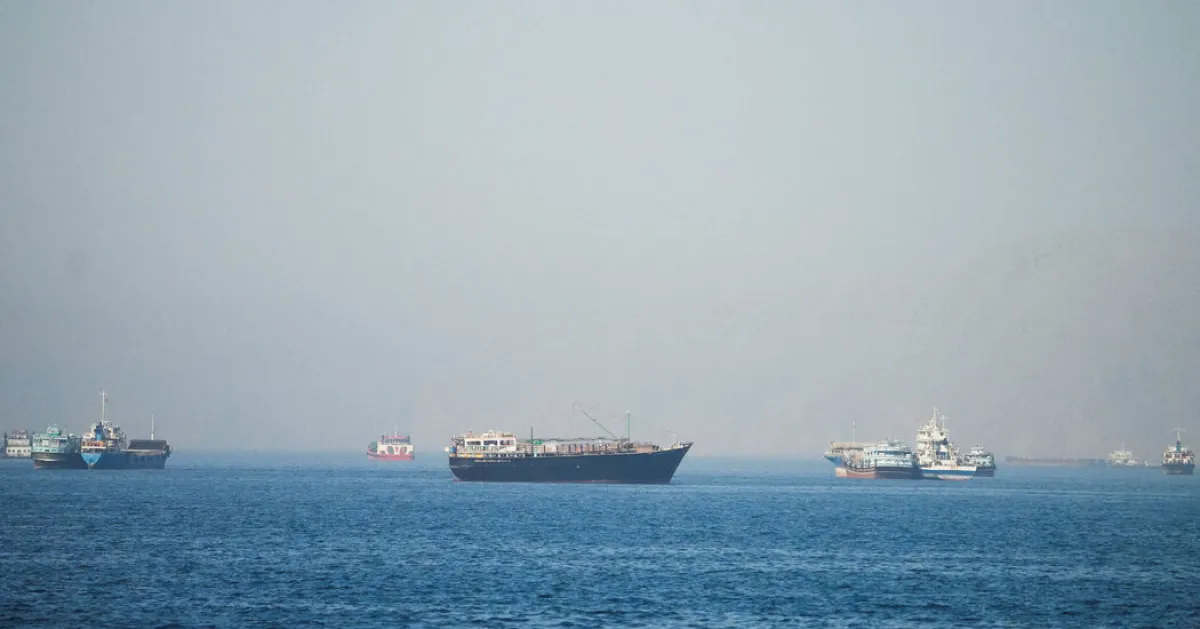
Iran intensified its assertion of authority over the Strait of Hormuz on Friday, one day after its forces targeted a cargo vessel, causing a temporary disruption to maritime traffic in the crucial chokepoint.
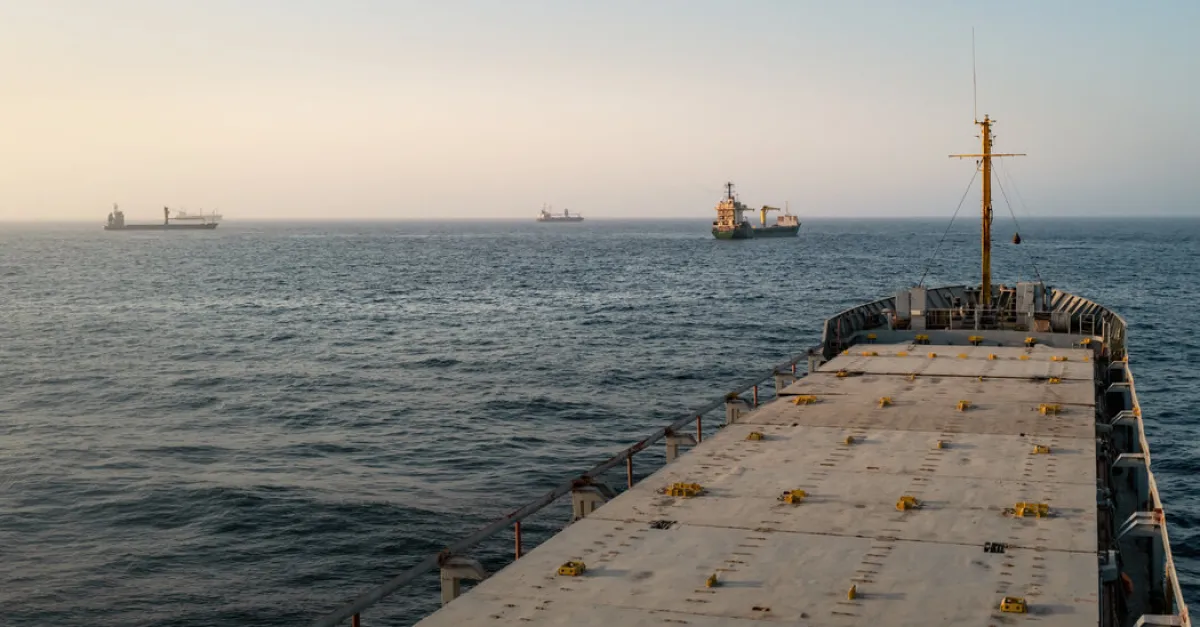
The incident involving the Ever Lovely, a container ship transiting near the Omani coastline, highlighted an ambiguity within the preliminary agreement between the United States and Iran. While President Trump has declared the strait open to unimpeded navigation, the accord lacks explicit details regarding the entity responsible for regulating passage.
Iran's Ministry of Foreign Affairs issued a statement on Friday, broadcast via state media, asserting that the strait falls within the territorial waters of Iran and Oman. The statement referenced a provision within the U.S.-Iran agreement that mandates Tehran to ensure the safe passage of commercial vessels.
This action followed Iran's demonstration of its control over the strait on Thursday, when it issued a warning that the sole route through the vital passage for oil and natural gas lay within its waters. Numerous vessels, including the Ever Lovely, had been utilizing a route along the southern edge of the strait, adjacent to the Omani coast.
Iran's Deputy Foreign Minister, Kazem Gharibabadi, stated on social media Friday, "Safe passage through the Strait of Hormuz is not guaranteed under vague arrangements, parallel routing systems or decision-making processes that exclude Iran as a coastal state."
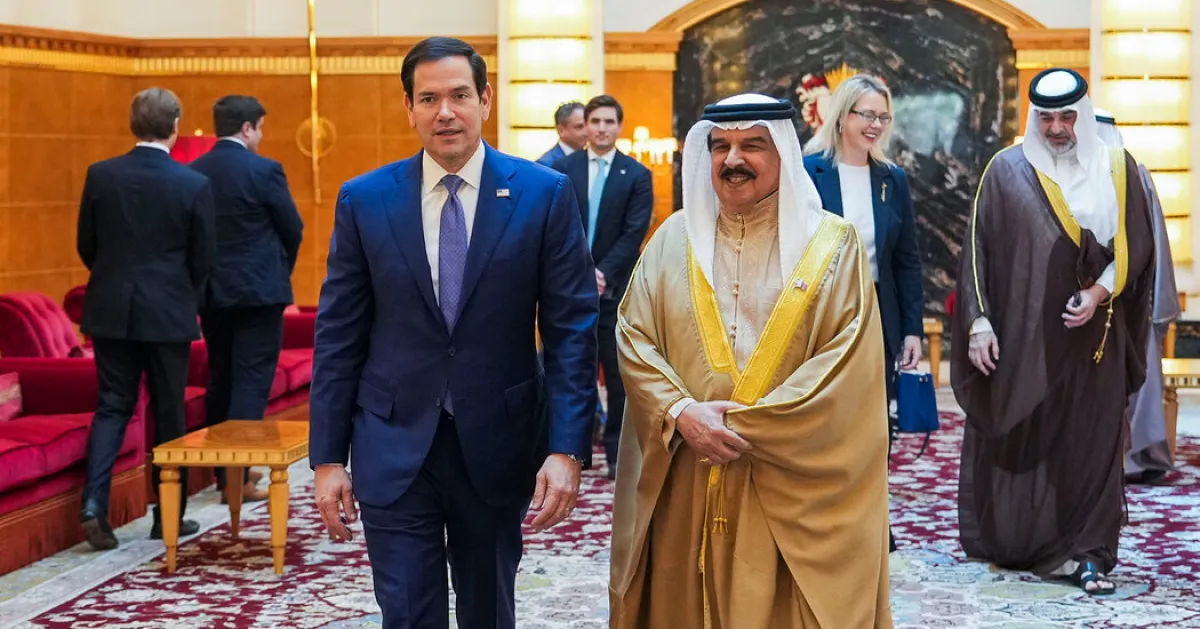
The White House has not issued a comment regarding Thursday's attack. This event occurred shortly after Secretary of State Marco Rubio concluded his visit to the Persian Gulf, where he met with foreign ministers from the Gulf Cooperation Council. In a joint declaration following their meeting, the United States and GCC nations advocated for "free, unconditional and unrestricted navigation" through the strait, rejecting any attempts by a single nation to exert control or impose tolls and fees.
The attack prompted the International Maritime Organization, a United Nations agency, to suspend its efforts to assist hundreds of stranded vessels in departing the Persian Gulf. According to Lloyd's List Intelligence, at least two tankers altered course in response to Iran's warning earlier that day. Maritime data firm Kpler reported a decrease in the number of ships transiting the strait, from 73 the previous day to 54 on Thursday.
Global oil markets showed limited reaction to the escalation. While prices saw an initial rise after Thursday's strike, they declined on Friday as the continued flow of tankers eased concerns about potential supply disruptions. Brent crude, the international benchmark, settled around $73 per barrel, and the U.S. benchmark, West Texas Intermediate, fell to between $69 and $70.