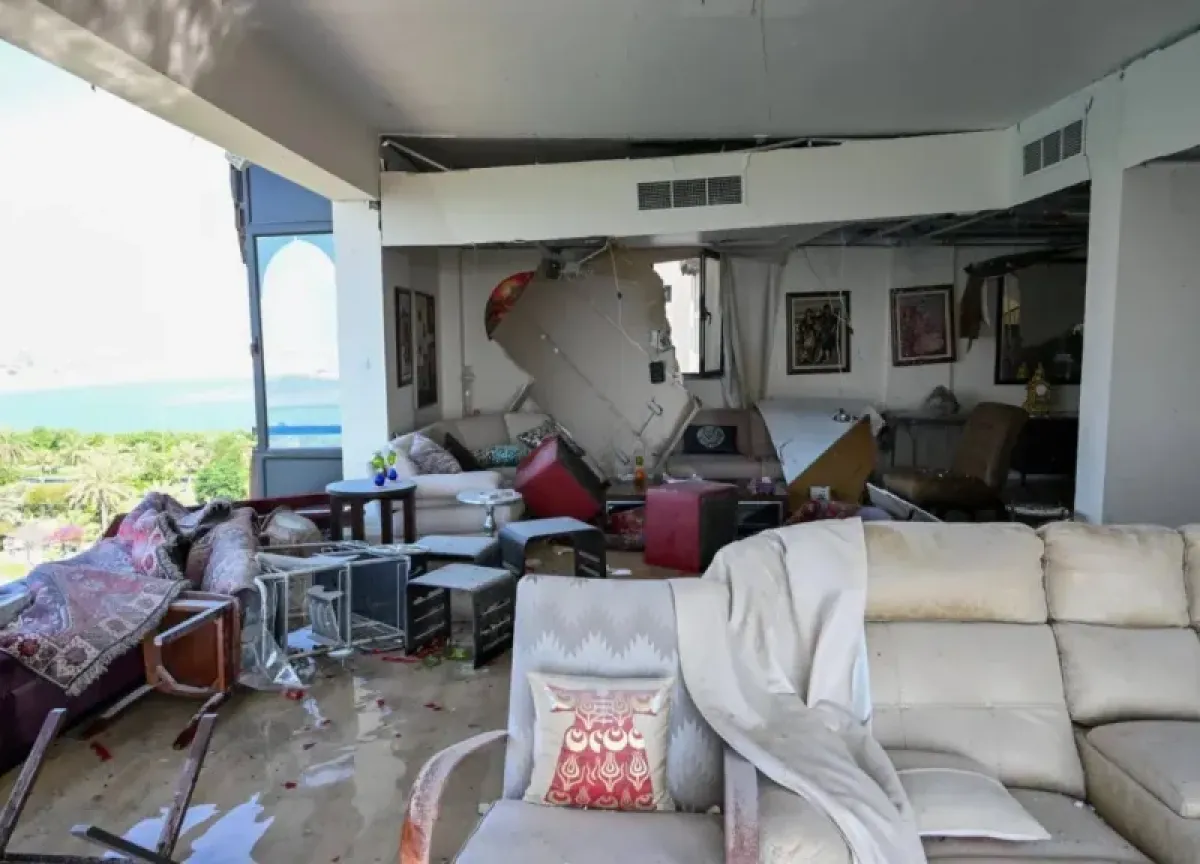
Iran's recent missile and drone attacks targeting military sites in Bahrain and Kuwait have escalated tensions with the United States, pushing a fragile temporary ceasefire towards potential collapse. The confrontation has moved beyond direct exchanges to encompass attacks on US positions within allied Gulf nations, signaling a dangerous widening of the conflict.
Bahrain and Kuwait announced on Sunday that their territories had been subjected to missile and drone assaults amid rising animosity between Washington and Tehran. Both nations accused the other of violating understandings that had temporarily halted recent military confrontations.
The General Command of the Bahrain Defence Force confirmed that its air defense systems successfully intercepted and destroyed enemy aerial targets, prompting a heightened state of military readiness. Bahrain's Ministry of Foreign Affairs issued a strong condemnation, labeling the incidents an "aggravated Iranian assault" and asserting that Tehran's actions represent a systematic pattern targeting Bahrain's sovereignty and security, rather than isolated events.
In Kuwait, the Ministry of Defense spokesperson announced that the armed forces detected and neutralized two hostile ballistic missiles within Kuwaiti airspace early Sunday. No casualties or material damage were reported. The ministry affirmed its forces' continued readiness to protect the nation's security.
These developments followed Iran's Islamic Revolutionary Guard Corps' claims of conducting joint missile and drone operations against US military bases in Kuwait and Bahrain, stating the strikes were retaliation for recent US attacks on Iranian facilities. Tehran accused Washington of breaching ceasefire agreements, deeming ongoing US strikes a direct violation of a deal brokered to de-escalate and facilitate negotiations.
The United States acknowledged that its Gulf bases were targeted but indicated initial assessments showed no significant casualties or damage, while reserving the right to respond to any attacks on its forces or interests. The US Central Command responded with further strikes within Iran, targeting surveillance, communications, air defense systems, drone storage, and naval capabilities.
Analysts suggest that targeting Kuwait and Bahrain marks a significant shift in engagement rules, expanding the conflict beyond Iranian territory or territorial waters to countries hosting major US military installations. This raises the likelihood of further escalation and a broader regional crisis, posing unprecedented security challenges for Gulf nations and potentially impacting global energy security and international trade routes.
The Strait of Hormuz has once again become a focal point of heightened military activity. The Iranian Revolutionary Guard Corps asserted that US military pressure would not affect its control over the strait, underscoring Tehran's strategic use of its geographic position against Washington. This escalation occurs as diplomatic efforts face severe setbacks, with the ceasefire initially hoped to pave the way for broader negotiations on Iran's nuclear program and sanctions.
Mutual accusations of treaty violations, coupled with continued military operations, have cast considerable doubt on the prospects for political engagement, especially with increasingly hardline rhetoric from both sides. US President Donald Trump's statements, including threats of wider military action if Iran does not adhere to existing agreements, have further heightened tensions. Iran, meanwhile, appears determined to demonstrate its retaliatory capability, signaling that any strike on its territory will be met with direct attacks on US interests and bases in the region.
As reciprocal strikes continue and their geographical scope expands, fears are mounting that miscalculation could lead to a complete breakdown of the truce, plunging the region into an open-ended confrontation with severe security and economic ramifications for the Gulf states, global energy markets, and international trade.