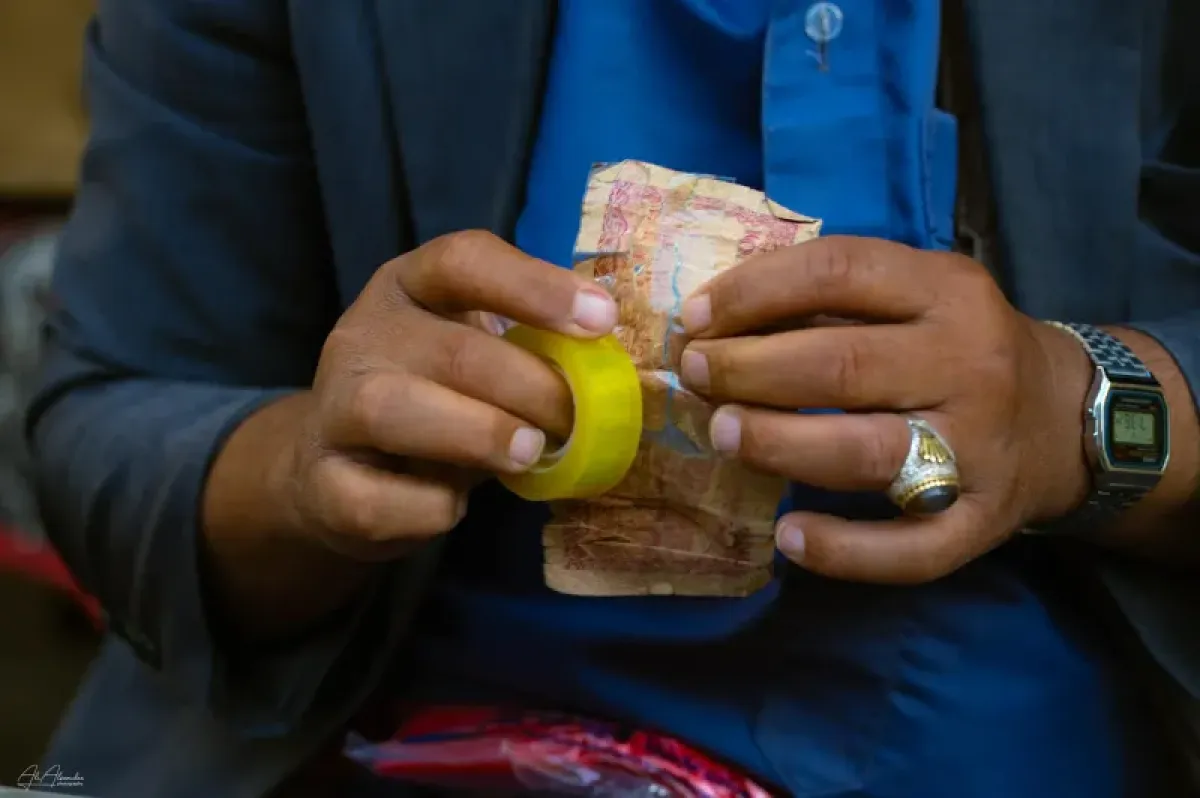
The Houthi de facto central bank in Sana'a is reportedly facing an unprecedented liquidity crisis, raising concerns about its ability to disburse even partial salaries to hundreds of thousands of government employees next month.
Sources indicate that the critical shortage of cash may prevent the disbursement of funds typically provided to employees under the designation of "half salaries." This development signals a potential exacerbation of the humanitarian crisis in areas controlled by the militia, given the already dire economic conditions and escalating living costs.
The current financial strain revives persistent questions regarding the management of substantial revenues collected by the Houthi group through taxes, customs, Zakat, and various fees levied on citizens, businesses, and the private sector. Meanwhile, state employees have endured years of suspended or sporadic salary payments.
Banking sources in Sana'a suggest the liquidity crisis highlights significant flaws in the Houthi's financial administration. Despite continued inflows of financial resources from sectors under their control, Houthi leadership reportedly diverts a considerable portion of these revenues to fund military activities and ideological projects rather than meeting essential state obligations, such as employee salaries.
These developments occur as government employees grapple with severe hardship following years of unpaid wages. Hundreds of thousands of families rely on limited income sources or humanitarian aid for basic necessities. Any further disruption in salary payments, even partial ones, will intensify economic and social pressures on the population.
Analysts observe that the crisis is a direct consequence of the Houthi group's financial depletion policies. These policies have focused on maximizing revenue through increased levies and impositions, without corresponding improvements in living standards or the consistent payment of state employee salaries.