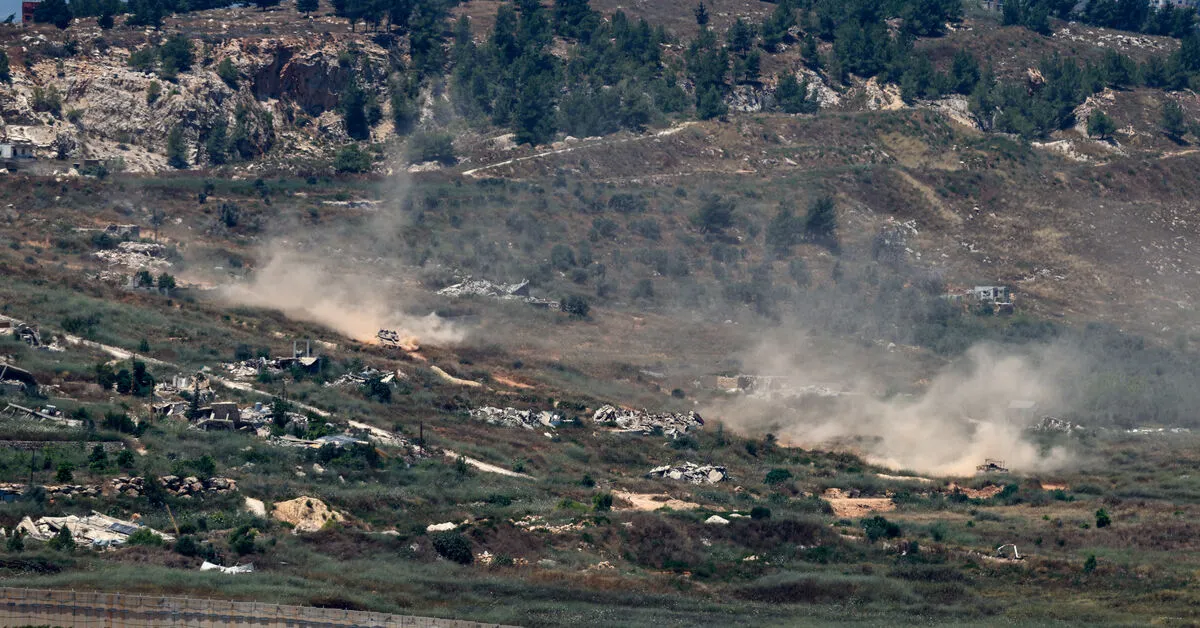
The Israeli army on Sunday detonated an extensive tunnel discovered in southern Lebanon, prompting Lebanese state media to report strikes in the vicinity. Iran-backed Hezbollah asserted its right to retaliate against these actions, despite a recent trilateral framework agreement aimed at peace between Lebanon and Israel.
The Lebanese National News Agency reported several strikes on Sunday, including in the southern city of Nabatieh, with the health ministry confirming two individuals were injured by an Israeli stun grenade. Israeli officials, in a joint statement, described the tunnel as over 200 meters long and 25 meters deep, containing numerous weapons and launch shafts intended to target Israel. They also stated that the United States and its representative in Lebanon were informed of the operation in advance.
An Agence France-Presse correspondent near the detonation site, approximately 10 kilometers from the coastal city of Tyre, observed smoke in the distance. Residents in towns south of Tyre reportedly evacuated their homes following Lebanese media reports indicating potential further Israeli detonations in the area.
In response to the day's events, Hezbollah issued a statement declaring, "what the enemy has done is a blatant violation of the ceasefire... and it reserves its right to defend its homeland and its people." The Israeli military confirmed the death of one of its soldiers in southern Lebanon and subsequently announced the killing of a "Hezbollah terrorist" engaged in clashes with Israeli forces.
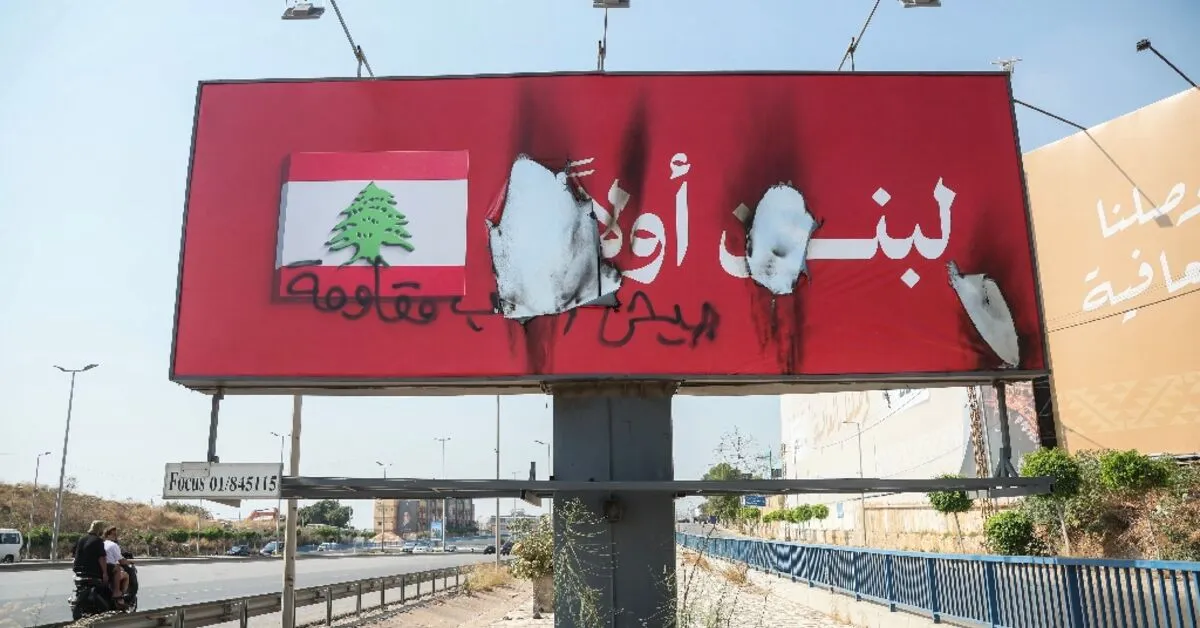
The incidents unfold against the backdrop of a framework agreement signed by Lebanon and Israel, brokered by the United States, intended to facilitate peace and the disarmament of Hezbollah. However, Hezbollah leadership has vehemently rejected the deal, with one leader calling it "null and void" and a betrayal of sovereignty. These developments have also ignited internal political dissent within Lebanon, with a Hezbollah lawmaker suggesting the authorities' actions risk inciting chaos and internal conflict.
Parliament Speaker Nabih Berri, an ally of Hezbollah, criticized the agreement, stating it "will not pass" in its current form and warned of political confrontation and internal strife. He likened the deal to a previous 1983 agreement that was ultimately rescinded under external pressure, indicating a complex and potentially volatile political landscape following the recent security events and the contentious peace accord.