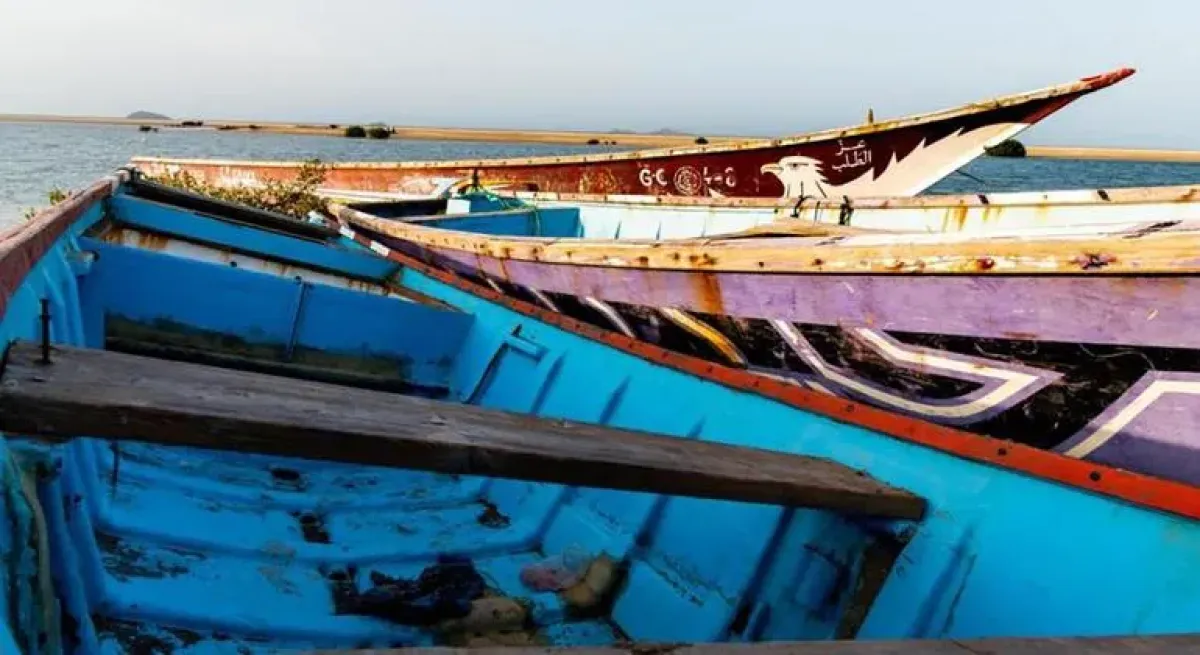
A United Nations Development Programme (UNDP) report has issued a stark warning that Yemen's vital fishing sector faces unprecedented challenges that threaten its sustainability, despite the country possessing one of the region's longest coastlines and substantial marine resources crucial for economic growth and food security.
The report, titled "Analytical Study of the Fish Market System in Yemen," was developed as part of a project to rehabilitate the fishing port and develop the value chain in Aden. It examined the sector's conditions in four coastal areas: the Red Sea, the Gulf of Aden, the Arabian Sea, and Al-Mahra Governorate, aiming to assess its economic role and potential for development.
The fisheries sector remains a primary source of income for tens of thousands of Yemeni families. However, fishermen and those employed in the industry are experiencing deteriorating living conditions due to a sharp increase in fuel prices, volatile fish prices, declining catches, and limited access to financial services. Many are reliant on informal loans, trapping them in a cycle of debt.
The report identifies fuel as the most significant factor impacting the sector's competitiveness, as it is integral to all stages of production, from fishing expeditions to transportation, refrigeration, storage, processing, and export. The continuous rise in fuel costs has doubled the operational expenses for fishing boats, forcing many fishermen to reduce their trips or extend their time at sea to compensate for rising costs. This has also increased burdens on ice factories, cold storage facilities, and refrigerated transport services, directly affecting product prices and profit margins.
Fishermen report that the daily cost of a fishing trip has escalated from approximately ten thousand Yemeni Rials years ago to between sixty and eighty thousand Rials currently, with some trips consuming up to 120 liters of fuel. Concurrently, revenues have significantly decreased compared to previous periods. The economic crisis has compelled most fishermen to rely on informal loans from wholesalers or suppliers of fishing equipment to cover fuel, ice, and maintenance costs. This dependency forces them to sell their catches to creditors under imposed terms and prices, creating a long-term economic subservience where fishermen are the weakest link in the value chain, while a limited number of traders wield significant financial and negotiating power.
The report also notes a decline in the effectiveness of fishermen's cooperatives, which historically provided support such as subsidized fuel, loans, and marketing services. Many have lost their efficacy due to the ongoing conflict and financial crisis, while others have become mere intermediaries for fish sales. Some cooperatives in certain regions have fallen under the influence of powerful individuals, weakening their ability to advocate for fishermen's interests. In contrast, cooperatives in Hadramout Governorate are reported to be more active, offering fishermen relatively better negotiation power in the market.
Furthermore, most of Yemen's fish exports leave the country with minimal processing, primarily as frozen fish or raw products. Opportunities for food processing and the production of value-added goods remain extremely limited. Processes confined to freezing, drying, and canning tuna result in substantial lost economic potential that could enhance export value and create new jobs, especially given the growing demand for processed seafood in regional and international markets. Imported products, particularly canned goods, are increasingly competing with local production due to higher domestic processing costs, adding pressure to national factories.
The report emphasizes that saving the sector requires a comprehensive package of reforms. These include developing cold chain infrastructure, expanding financial services for fishermen, strengthening fishing associations, encouraging aquaculture, combating illegal fishing, supporting processing industries, and increasing women's participation across the value chain. Addressing these challenges will enable Yemen to better leverage its marine resources, boost exports, create sustainable employment, enhance food security, and build a more resilient economy. Failure to act, the report warns, will lead to further sector decline and the loss of a critical income source for thousands of families.