Kazem Gharibabadi, a key Iranian negotiator, has reiterated Iran's claim to permanent control over the Strait of Hormuz, rejecting the internationally recognized shipping routes established by a 1968 agreement and threatening ships that do not adhere to its mandated courses.
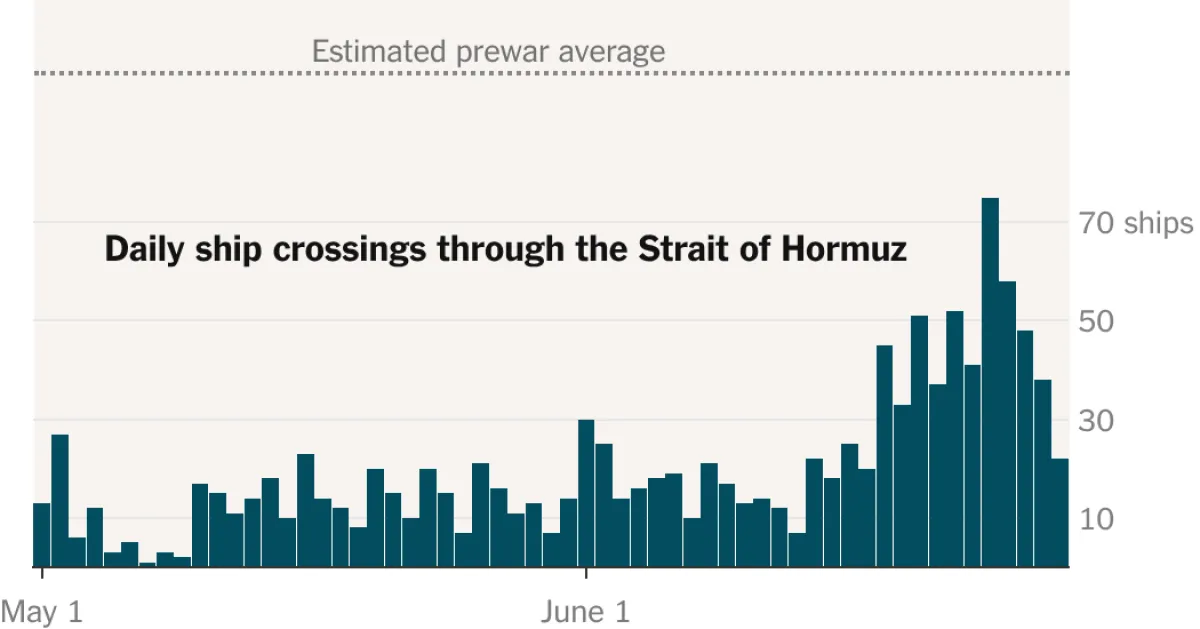
The Strait of Hormuz is a vital chokepoint for global oil and gas shipments, and escalating tensions surrounding its control have jeopardized a fragile cease-fire between Iran and the United States. Iran asserts its authority over the waterway, raising concerns about maritime security.
The 1968 agreement, ratified by the U.N. International Maritime Organization, established the "Traffic Separation Scheme." This framework was primarily a technical and legal solution to prevent collisions in the narrow 24-mile-wide strait, where sovereign waters of Iran and Oman overlap, leaving no neutral international waters for transit.
According to Ali Vaez, Iran project director at the International Crisis Group, Iran, then a regional military power, did not need to leverage its geography at the time. However, Iranian officials now view the traditional transit routes as a security threat, especially with the passage of warships. Gharibabadi emphasized that the agreement predates the 1979 Islamic Revolution and stated Iran's intention to renegotiate new routes with Oman, initiating expert talks for changes.
Gharibabadi's remarks signal Iran's intent to move away from the existing framework towards a new system that grants Tehran greater control. This stance is further evidenced by Iran's placement of naval mines, which have effectively disrupted the established 1968 routes. Jennifer Parker, a former naval officer and analyst, suggests Iran is framing its demands in a more legalistic manner to enhance its negotiating leverage.
In response to Iran's assertiveness, the United States and Oman recently explored establishing an alternative corridor within Omani waters, escorted by U.S. naval assets, to bypass Iranian territorial waters. However, Gharibabadi explicitly stated Iran's refusal to recognize any such parallel routes, underscoring the ongoing diplomatic and security challenges in the region.