The prolonged conflict in Yemen has evolved beyond military confrontation into a comprehensive depletion of the economy, society, and state institutions. While political and military factions focused on power struggles, an entire social stratum, the middle class—long the backbone of public administration, education, and civil services—has been silently eroding. Today, after years of economic collapse, currency devaluation, and escalating living costs, the concern extends beyond state employees' ability to meet family needs to the fate of a social segment that once guaranteed economic and social stability.
Prior to the war, state employees in Yemen did not lead affluent lives but enjoyed a degree of stability that allowed them to manage family affairs and cover basic needs. Salaries, though limited, fulfilled their economic and social functions, granting holders a status within the middle class reliant on education, formal employment, and fixed income.
However, years of war and rapid economic deterioration have completely reversed this dynamic. While government wages have remained largely stagnant, the Yemeni Riyal has continued its precipitous decline in purchasing power. Salaries have become insufficient to keep pace with the relentless rise in prices for food, fuel, rent, and essential services. Over time, salaries have ceased to be a source of economic security, diminishing to a meager income barely covering a fraction of monthly family expenses.
The problem is not solely the reduced value of salaries but the breakdown of the relationship between income and living costs. In stable economies, wages are adjusted, or social protection policies are implemented to mitigate inflation's effects. In Yemen, however, employees face escalating prices without effective protective measures, leading to an unprecedented erosion of purchasing power. This crisis is therefore not merely about salaries but a structural issue reflecting broader imbalances in economic policy and financial management, exposing the vast chasm between fixed incomes and constantly fluctuating prices.
While the poor typically bear the brunt of economic crises, the Yemeni experience demonstrates that the middle class has been the most severely affected in the long term. This group lacks the assets and investments to shield their wealth from inflation, nor do they qualify for humanitarian aid targeted at the most impoverished. Caught between these extremes, they find themselves in a cycle of continuous depletion. Economists warn that the erosion of the middle class is one of the most dangerous indicators of economic collapse, as this segment drives local markets, supports education, fuels productive activity, and forms the human capital for state institutions and the private sector. As this class declines, the economy loses a key internal driver, and society becomes more vulnerable and unequal.
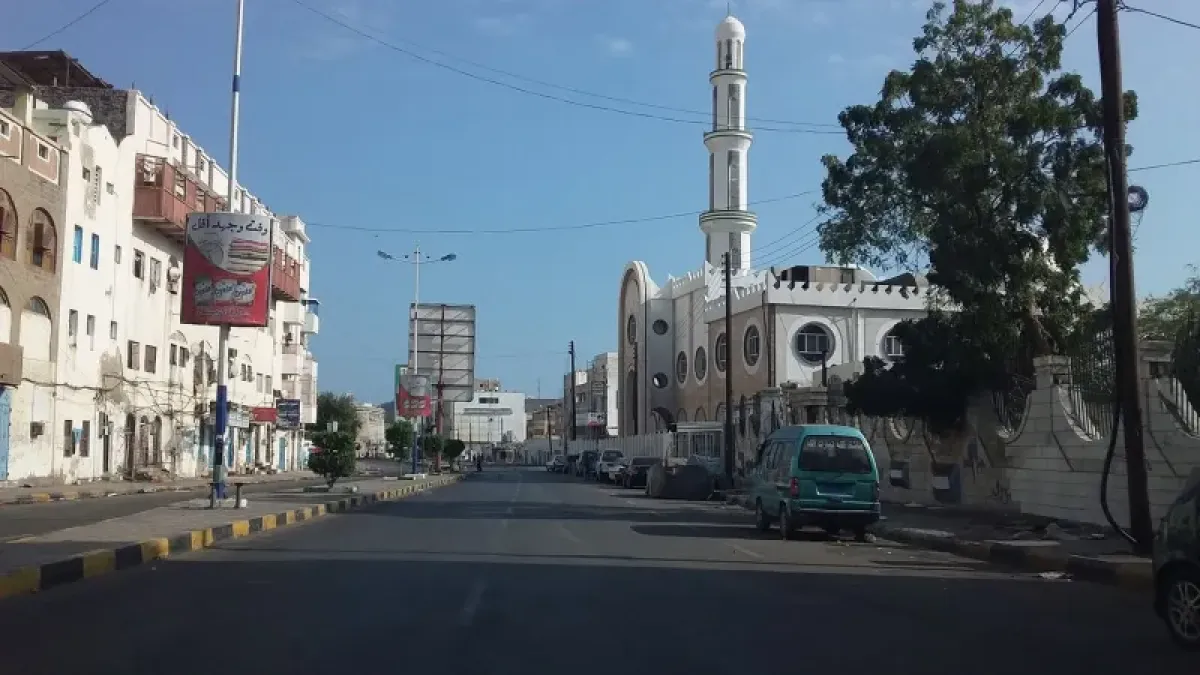
In cities like Aden, Taiz, Mukalla, and Marib, it is now common to see teachers, government employees, and university graduates working additional jobs after their official hours. Some drive taxis, others manage small businesses or work in markets and the informal sector, while many rely on remittances from relatives abroad. This shift not only reflects diminished income but also highlights a dysfunction within the state itself, where public employment fails to provide a minimum dignified standard of living. More critically, the preoccupation of skilled individuals with securing basic needs comes at the expense of professional development and the quality of services provided to society.
A significant consequence of the middle class's collapse is the crisis extending from employees' pockets to their families' futures. Families that once invested a substantial portion of their income in their children's education are now forced to cut back or seek less expensive alternatives. Access to healthcare has also become increasingly challenging due to rising costs of medicine and medical services, coupled with the absence of effective insurance systems. The crisis's impact is thus not limited to the present but extends to the nation's human capital by undermining opportunities for quality education and adequate healthcare for future generations.
Economic collapse in Yemen has not only altered spending patterns but has also reshaped the social fabric. High living costs have led to delayed marriages among a broad segment of youth, increased reliance on debt, reduced opportunities for homeownership, and prompted a growing number of skilled individuals to emigrate in search of more stable employment and income. As these transformations continue, the gap between social strata widens, and the sense of economic security diminishes, impacting societal stability and confidence in the future.
Specialists believe that Yemen's state employee crisis is not the result of a single factor but a confluence of elements, including the continued depreciation of the local currency, weak monetary and fiscal policies, declining public revenues, heavy reliance on imports, corruption, and economic management imbalances. The absence of structural remedies and delayed economic reforms have exacerbated the crisis, turning it from a temporary problem into a daily reality for millions of Yemenis.
The danger of the current situation lies in the fact that the middle class's collapse is not merely the crisis of a specific social group but an issue of state and society. Global experiences show that this class has always been the primary driver of political stability, economic development, and social cohesion. Its erosion leads to reduced growth prospects, increased poverty rates, widening gaps between rich and poor, and deeper reliance on foreign aid. In Yemen, where war intersects with political division and economic crisis, rescuing state employees is more than a livelihood issue; it is tied to the future of society itself. The pressing question is not just how to increase salaries or combat inflation, but how to halt the collapse of a social class that has, for decades, formed the bedrock of administration, education, and public services, before it gradually becomes one of the most prominent victims of the protracted Yemeni crisis.