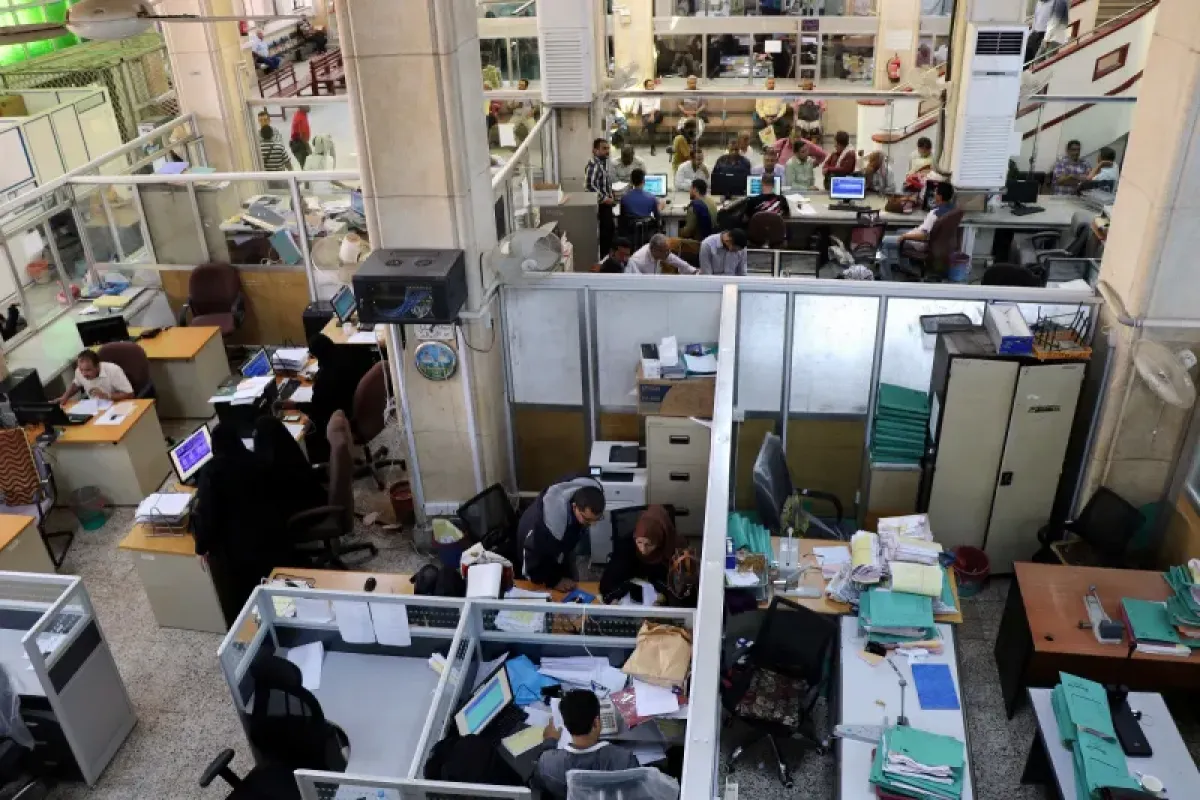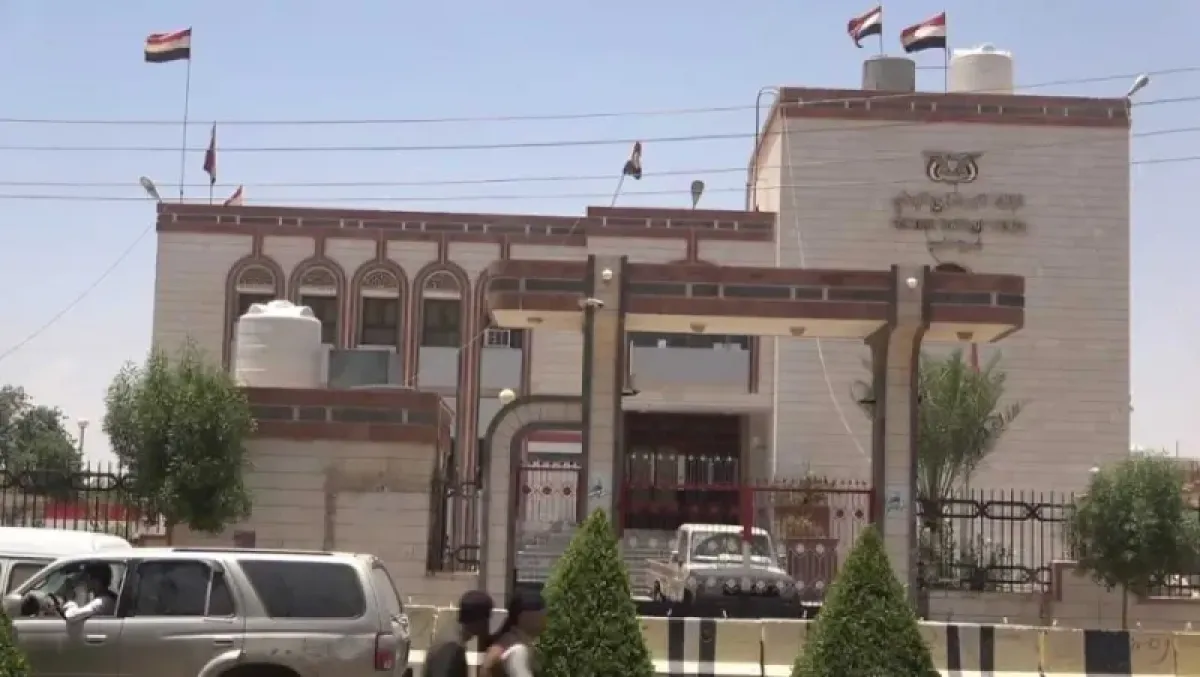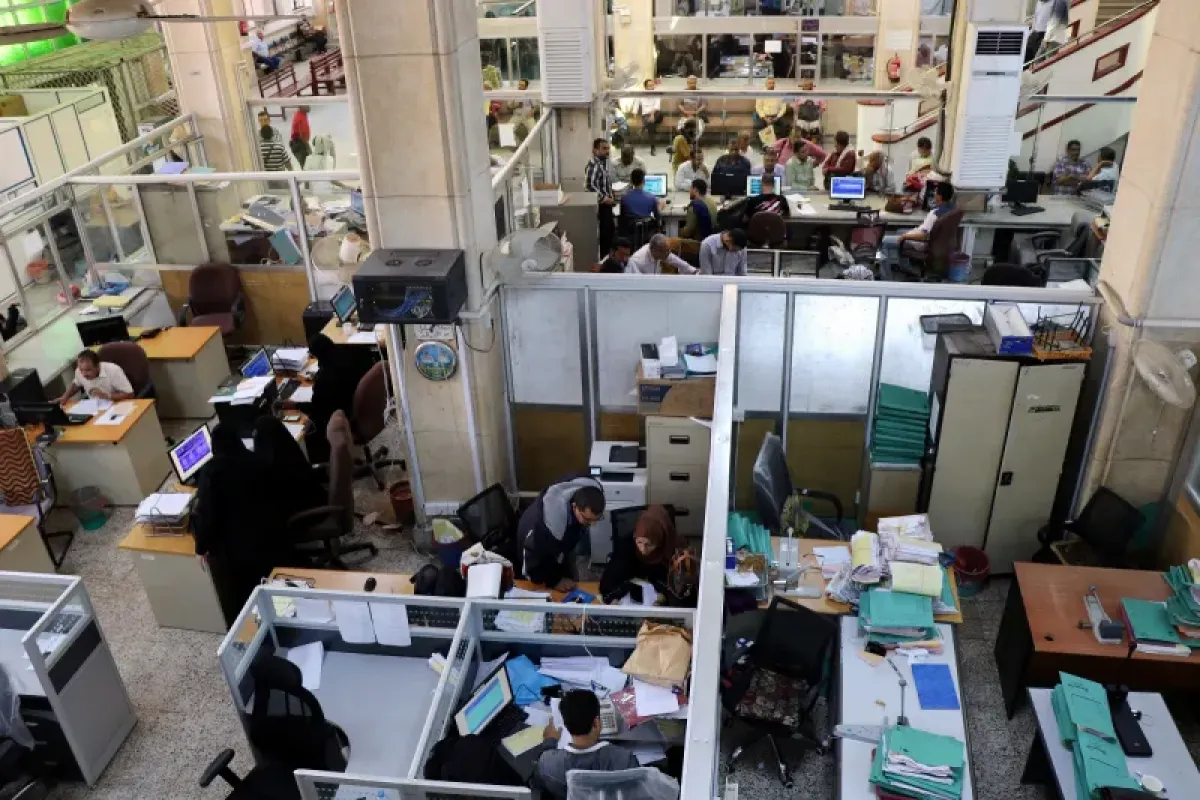
The Central Bank of Yemen, headquartered in Aden, has approved a series of new measures and directives aimed at strengthening financial and monetary stability and enhancing institutional performance. These actions come at a time when the Yemeni economy is facing escalating challenges, including the depreciation of the national currency, a decline in public revenues, and increasing cost-of-living pressures on citizens.
During its recent meetings in the capital city of Aden, the bank's board of directors reviewed financial and economic developments during the first half of the current year and their repercussions on the national economy. The board also deliberated on the necessary policies and procedures to maintain monetary and financial stability.
While the Central Bank affirms its continued commitment to its reform program, enhancing governance, and tightening supervision over the banking sector, observers note that these measures are being implemented amidst complex economic conditions. These conditions necessitate more effective solutions to address the monetary and fiscal imbalances that have directly impacted the prices of basic commodities and living standards.
The board also discussed the performance of the National Committee for Import Regulation and Financing, which approved financing requests exceeding three billion dollars in the first five months of the year. Despite this, local markets continue to experience persistent fluctuations in commodity prices and import costs, primarily due to the devaluation of the currency and rising transportation and insurance expenses.
The bank acknowledged the significant Saudi support provided to the government, including the second tranche of a budget support grant and a grant for the electricity sector. This support is considered a crucial pillar for meeting financial obligations and improving essential services.
These deliberations occur as demands intensify for more effective steps to tackle the economic crisis, bolster public resources, and achieve sustainable stability in the exchange market. Experts suggest that relying repeatedly on external grants and deposits offers only temporary relief without addressing the structural causes of the economic crisis.
In conclusion, the board reiterated its determination to continue implementing financial and banking reforms, developing financing tools, and strengthening oversight of the banking sector, in a concerted effort to preserve financial stability and support economic recovery.