The National Committee for the Regulation and Financing of Imports revealed that the volume of import financing through the committee exceeded three billion US dollars during the first five months of 2026, indicating a continued flow of goods into local markets. Basic goods and commodities constituted the largest share of the implemented financing.
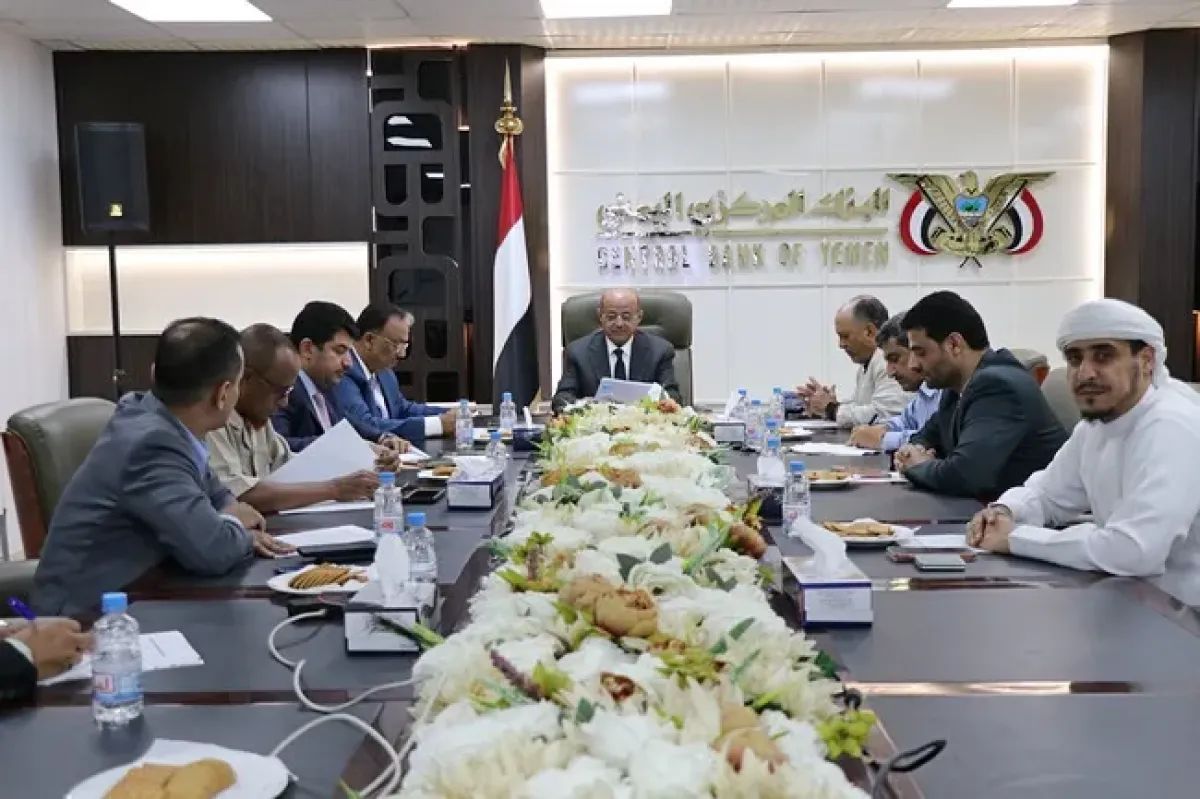
This information was disclosed during the committee's fifth meeting for 2026, held at the main headquarters of the Yemen Central Bank in Aden. The meeting was chaired by the Governor of the Central Bank of Yemen and head of the committee, Ahmed Ahmed Ghalib, and attended by committee members.
The committee emphasized the importance of continuously developing import financing procedures to ensure prompt execution and enhance performance efficiency. Several proposals and recommendations aimed at simplifying procedures and improving services for importers were reviewed.
During the meeting, the committee was briefed on the progress of the electronic platform designed for receiving and processing financing requests. This platform has entered its operational phase and is currently accepting all applications as part of its trial period. The committee lauded the efforts behind the platform's development, considering its adoption a significant step towards modernizing work procedures and strengthening transparency and oversight.
The committee further explained that the transition to automation and the use of modern electronic systems will accelerate transaction processing, reduce administrative complexities, and reinforce governance principles and control over import financing operations. A report presented by the head of the Customs Authority, also a committee member, detailed compliance with laws and regulations governing land and sea ports, the implementation of committee directives, and key challenges facing customs operations.
The committee tasked the Governor of the Central Bank of Yemen with contacting relevant authorities regarding several violations and practices observed at certain ports. These issues were reported to negatively impact the committee's performance, lead to the squandering of state resources, and affect economic, social, and environmental conditions.
In conclusion, the committee stressed the necessity of cooperation among various central and local authorities in implementing its decisions and directives. Such collaboration is crucial for protecting public resources, consolidating economic stability, combating smuggling in all its forms, and serving the public interest.