The World Bank projects a grim outlook for Yemen's economy through 2026, forecasting continued contraction for the second consecutive year. This projection is driven by persistent oil export disruptions, declining humanitarian aid, and escalating regional tensions, all of which threaten to deepen the severe livelihood crisis affecting millions of Yemenis.
In its latest "Yemen Economic Monitor" report, the World Bank anticipates that Yemen's real Gross Domestic Product (GDP) will shrink by 0.5 percent this year, following a 1.5 percent contraction in 2025. These figures underscore the ongoing factors hindering economic recovery and limiting growth opportunities.
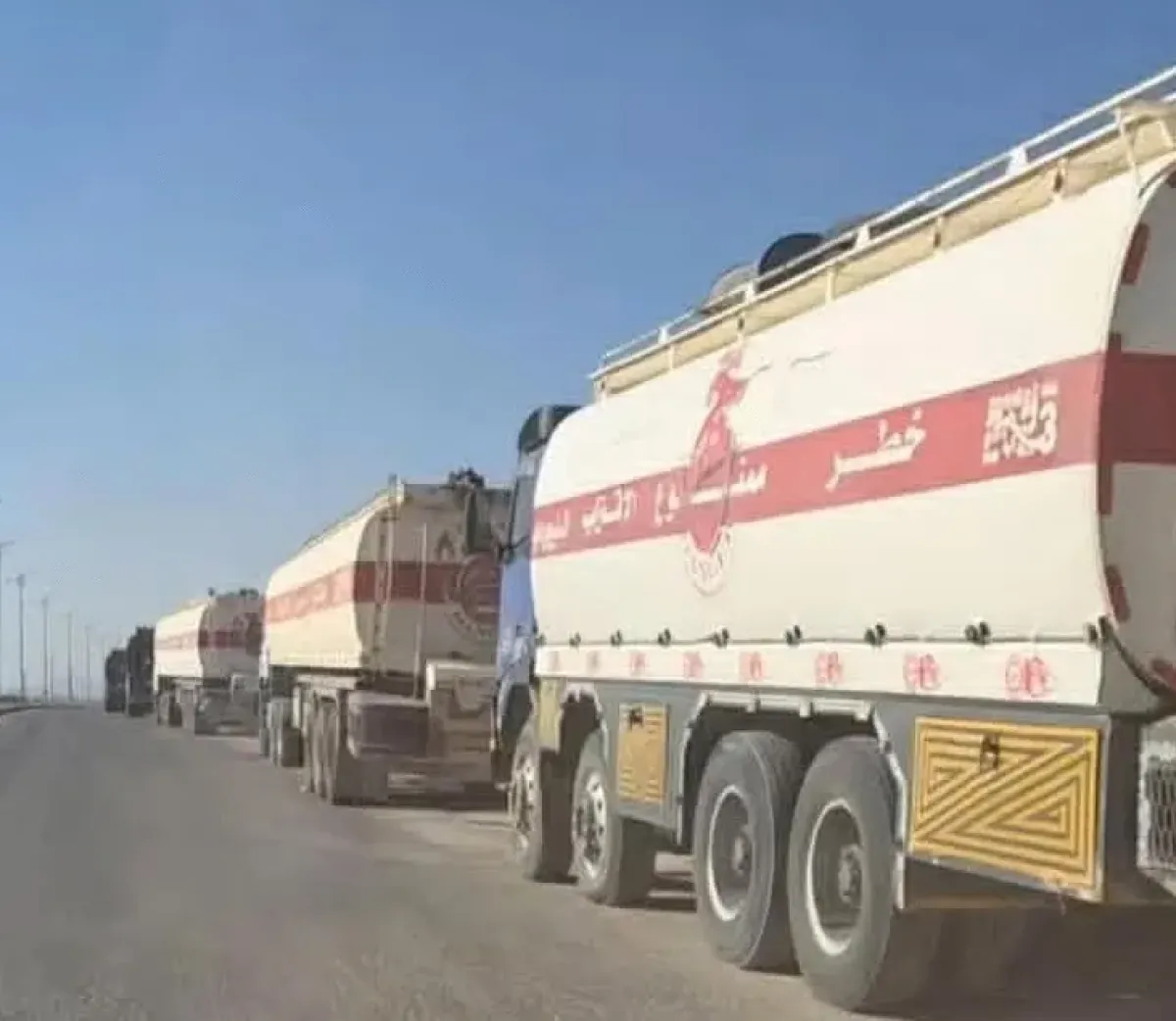
The report identifies the cessation of oil exports as a primary challenge, given the significant reliance of public finances on oil revenues as a major source of income and foreign exchange. The continued halt in exports has exacerbated fiscal pressures, diminishing the government's capacity to meet its financial obligations, including funding essential services and salary payments.
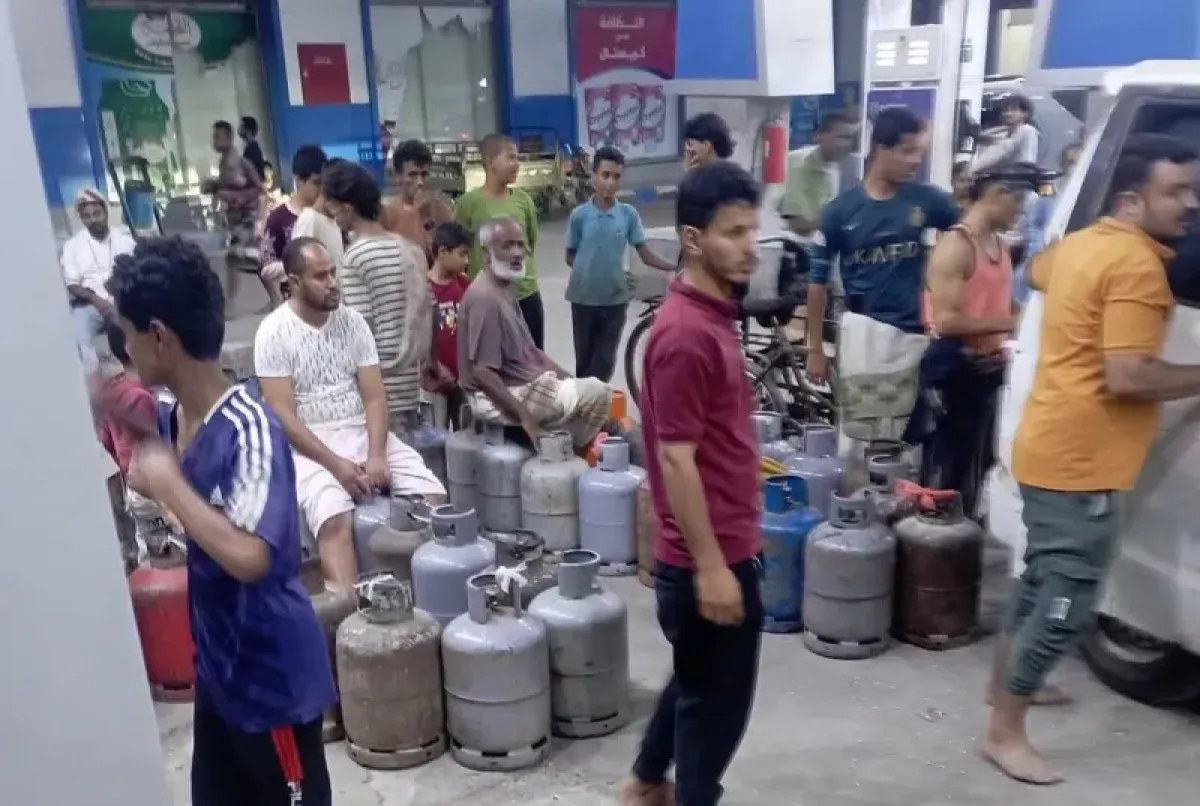
Furthermore, the World Bank highlights that escalating regional tensions impose additional burdens on Yemen's fragile economy, particularly given the country's near-total dependence on importing essential goods and food. Disruptions to shipping lanes or global supply chains directly impact local commodity prices through increased transportation, shipping, and insurance costs, contributing to inflation and intensifying livelihood pressures on Yemeni households.
Economists suggest these developments expose the Yemeni economy to further risks, including a rising import bill and a decline in citizens' purchasing power, at a time when the Yemeni Rial is already under sustained pressure and depreciating against foreign currencies. A particularly concerning indicator cited in the report is the sharp decrease in humanitarian funding for Yemen, with the UN's Humanitarian Response Plan receiving only 28 percent of its funding needs last year, down from 56.5 percent in 2024. This reduction could directly affect the level of services and aid provided to millions who depend on humanitarian support for basic necessities amidst widespread poverty and deteriorating living conditions.
The report also notes that remittances, international aid, and exports remain at low levels, constricting foreign exchange inflows and making near-term economic recovery unlikely. While presenting a pessimistic view, the World Bank acknowledges that Yemen's 2026 budget includes measures aimed at enhancing fiscal discipline and improving public resource management, but emphasizes that the success of these initiatives is contingent upon their sustained and effective implementation.
The World Bank clarifies that fiscal reforms, while important, will not be sufficient on their own to lift the economy out of recession and contraction. They must be coupled with the resumption of oil exports, increased international support, and tangible progress towards a political settlement. Achieving economic stability in Yemen, the institution concludes, necessitates addressing chronic structural imbalances, boosting public revenues, improving the business environment, and restoring the confidence of investors and international donors.