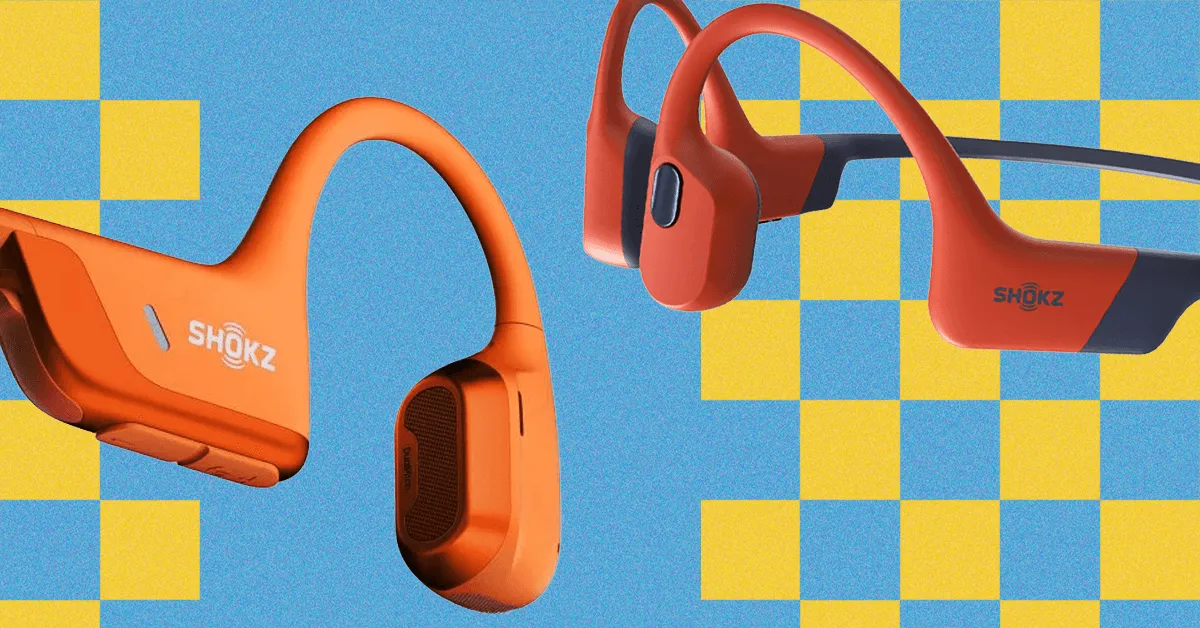
Bone conduction headphones are leveling up, letting you jam out while staying totally aware of your surroundings. Forget uncomfortable vibrations of the past; modern tech delivers surprisingly good sound quality, making them a top pick for workouts and everyday listening.
These aren't your grandpa's bone conduction headphones. Early models were known for tickly vibrations and mediocre sound. Fast forward to today, and advancements have significantly boosted sound performance and comfort. Now, these open-ear marvels are some of the go-to choices for fitness enthusiasts.
Wondering how they work? It's pretty neat. Tiny transducers rest on your cheekbones, sending sound vibrations straight to your inner ear. Your cochlea then translates these vibrations into what you hear. This bypasses the ear canal entirely, which is why they're often called "open-ear" headphones.
The biggest win here is staying aware. Whether you're running near traffic or just need to catch a colleague's attention, your ears stay open to everything. Plus, they offer a secure, hygienic fit that plays nice with glasses and hats, and they won't fall out mid-activity. No more sweaty ear canals either!
It's worth noting the difference between bone conduction and air conduction. Air conduction uses small speakers near the ear to direct sound, often providing richer audio and better EQ options. However, if keeping your ears completely open to your environment is your main goal, bone conduction still takes the crown.