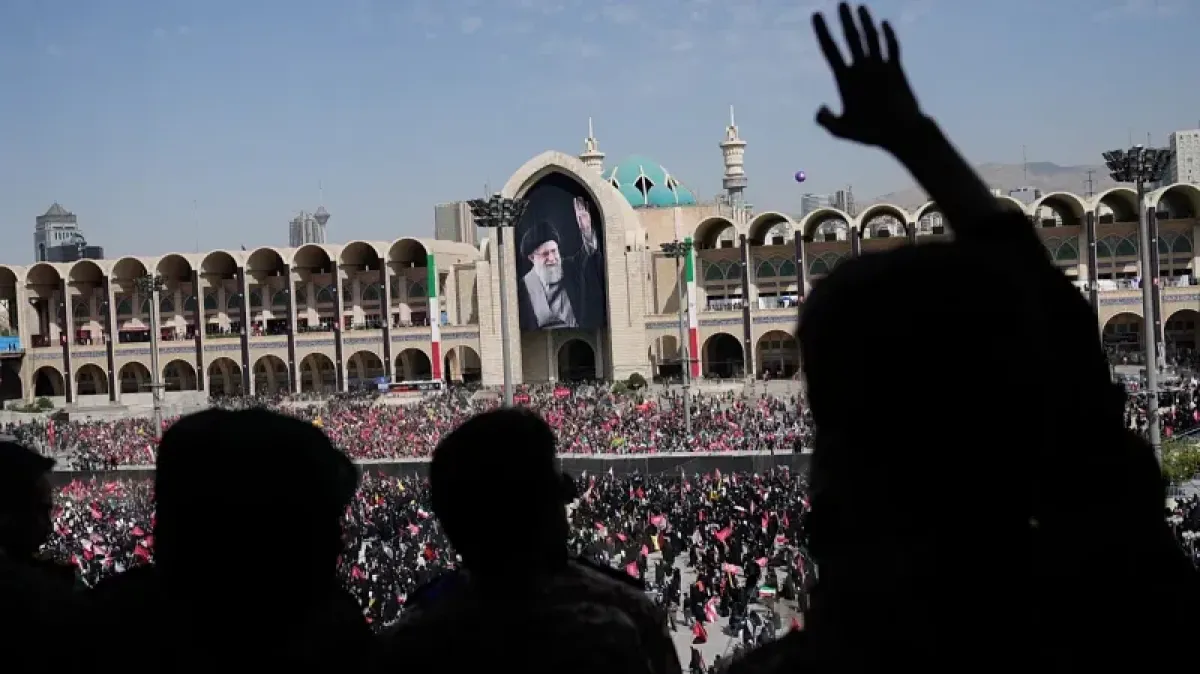
The funeral ceremonies for the late Iranian Supreme Leader Ali Khamenei have exposed significant fissures within the ruling establishment, revealing a power struggle among different factions. Despite attempts to project an image of unity, international reports indicate escalating internal conflicts, particularly with the notable absence of the new Supreme Leader, Mojtaba Khamenei, from public view.
Although senior officials and military commanders appeared together during the funeral procession, aiming to present a united front, Mojtaba Khamenei's continued public absence since assuming the role of Supreme Leader in March has fueled speculation regarding the new leadership's governance and the extent of internal disagreements.
The funeral was attended by Iranian President Masoud Pezeshkian, Parliament Speaker Mohammad Bagher Ghalibaf, and the head of the judiciary, alongside prominent IRGC commanders. Observers viewed this gathering as an effort to reassure both domestic and international audiences of the state institutions' continued stability amidst unprecedented security and economic challenges.
However, a report published by The New York Times, citing Iranian officials and sources, presented a contrasting picture. It suggested that Khamenei's death, following decades of centralized decision-making, has ignited a fierce struggle within the conservative camp, dividing power centers into two competing factions vying to shape the future political landscape.
According to the report, one faction is led by a pragmatic bloc comprising President Pezeshkian, Parliament Speaker Ghalibaf, and General Mohammad Bagher Zolghadr, the Secretary of the Supreme National Security Council. This group reportedly has the backing of influential figures within the IRGC and advocates for reaching understandings with the United States as the sole viable solution to Iran's severe economic crisis.
Conversely, a hardline faction insists on maintaining a policy of confrontation and escalation with Washington, viewing any concessions on nuclear or military matters as a betrayal of revolutionary principles. This faction has publicly accused the negotiating team of "treason" and "collusion."
Sources also indicate that Mojtaba Khamenei's initial approval of engaging in talks with the United States was not driven by political conviction but by escalating economic pressures threatening the regime's stability.
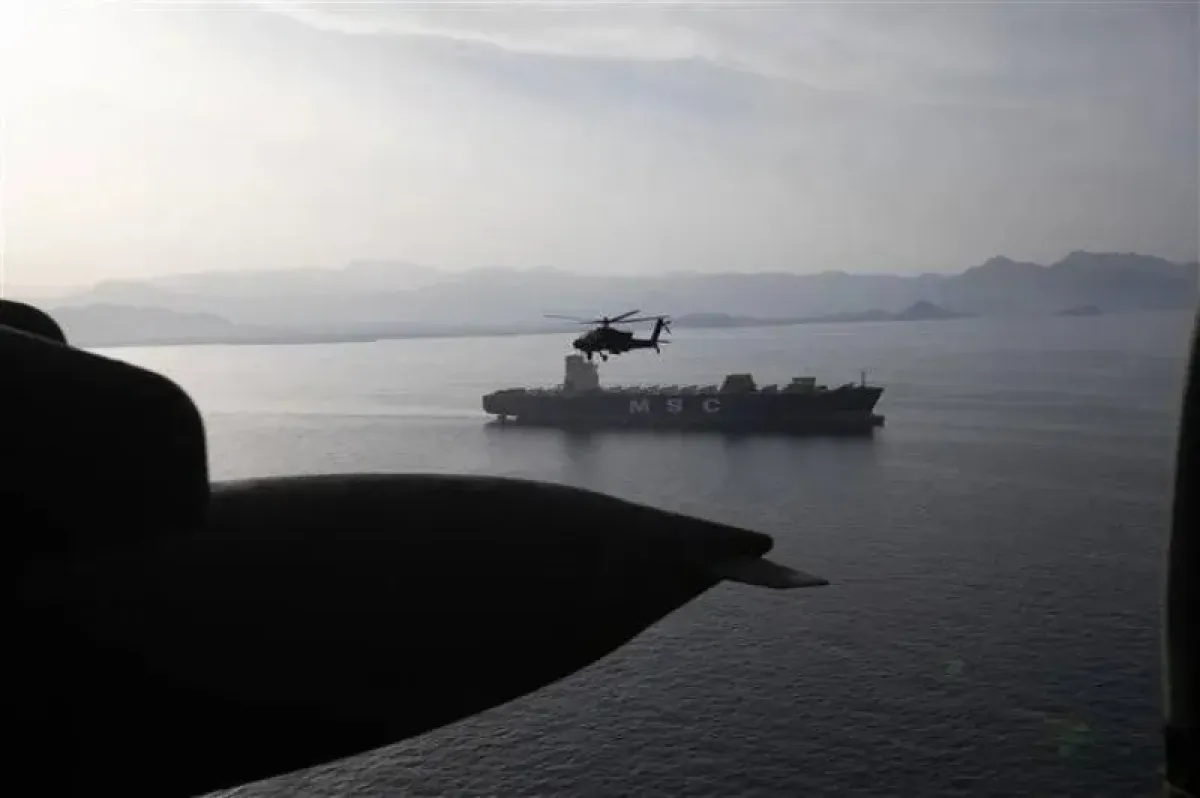
Four official sources in Tehran stated that President Pezeshkian informed the new Supreme Leader in a closed meeting that the U.S. naval blockade had crippled the Iranian economy and threatened to resign if progress toward an agreement with Washington was not made. The report also noted warnings from the Governor of the Central Bank, Abdolnaser Hemmati, about the imminent depletion of essential food and medicine reserves within weeks due to stalled oil exports and the closure of most foreign trade channels.
Under intense pressure, the Supreme National Security Council reportedly voted 12-1 in favor of commencing direct negotiations with U.S. officials, a significant shift reflecting the gravity of the crisis that has compelled the regime to reconsider its traditional options.
Further illustrating changes in the governance structure, Iranian officials have spoken of a gradual transition from the "individual rule" that characterized Ali Khamenei's era to a more "collective leadership" model, where the new Supreme Leader's decisions are subject to discussion within political and security institutions rather than being final, unchallengeable orders.
Recent developments have also highlighted the extent of division within state institutions, as evidenced by the abrupt interruption of live state television broadcast during Parliament Speaker Mohammad Bagher Ghalibaf's remarks on a ceasefire agreement. Observers interpreted this as a manifestation of the power struggle within the regime. Concurrently, Foreign Minister Abbas Araghchi faced chants and harassment during a memorial event in Iraq, indicating escalating polarization even among regime sympathizers.
Parallel to the political conflict, the whereabouts of the new Supreme Leader remain uncertain. Military sources confirmed that security agencies are restricting his public appearances or participation in mass events due to fears of potential Israeli assassination attempts or the revelation of his location. This has led to the cancellation of his planned participation in leading prayers in Mashhad.
Analysts suggest that the post-Khamenei funeral landscape reveals that the Iranian regime has entered its most sensitive transitional phase since the establishment of the Islamic Republic. The displays of unity during the funeral ceremonies have failed to conceal the growing divisions within decision-making centers, and upcoming appointments to sovereign and military institutions will serve as a true test of which factions will ultimately hold power in the coming period.