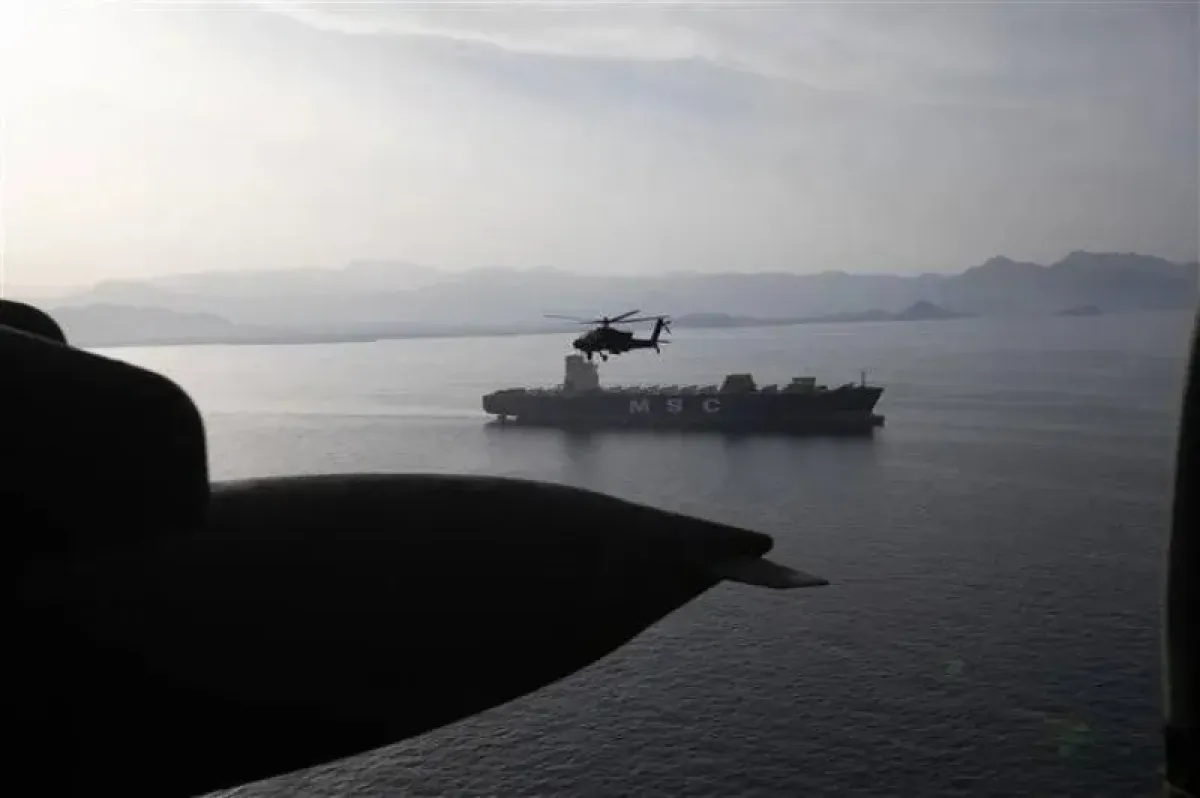
A recent US analysis warns that the agreement announced by President Donald Trump regarding freedom of navigation in the Strait of Hormuz may not provide a long-term guarantee for global trade stability. The analysis posits that Iran views the strategic strait as a key tool of economic and political influence, deployable for substantial financial and diplomatic gains.
According to an analysis published by the National Interest magazine, authored by American researcher Michael Rubin, Director of Policy Analysis at the American Enterprise Institute and a specialist in Iranian and Turkish affairs, the risk extends beyond Tehran potentially retracting future understandings on navigation freedom. It also encompasses the possibility of the Strait of Hormuz experience becoming a precedent, encouraging other actors to exploit international maritime passages and impose fees or engage in political blackmail for passage.
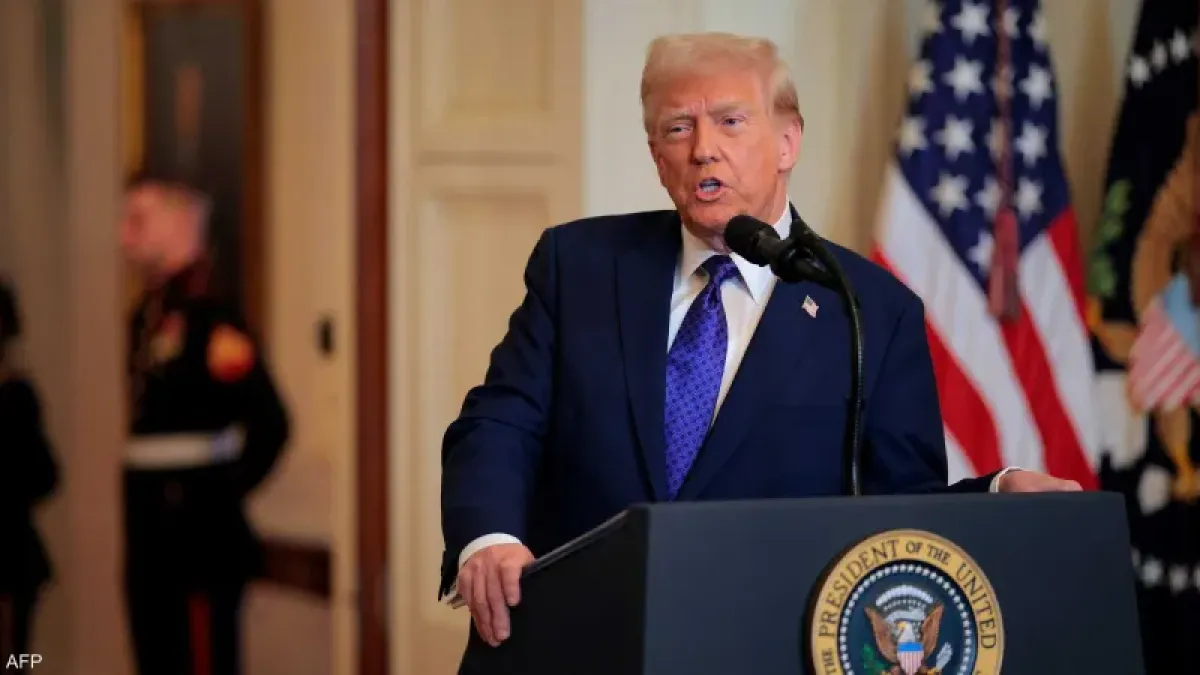
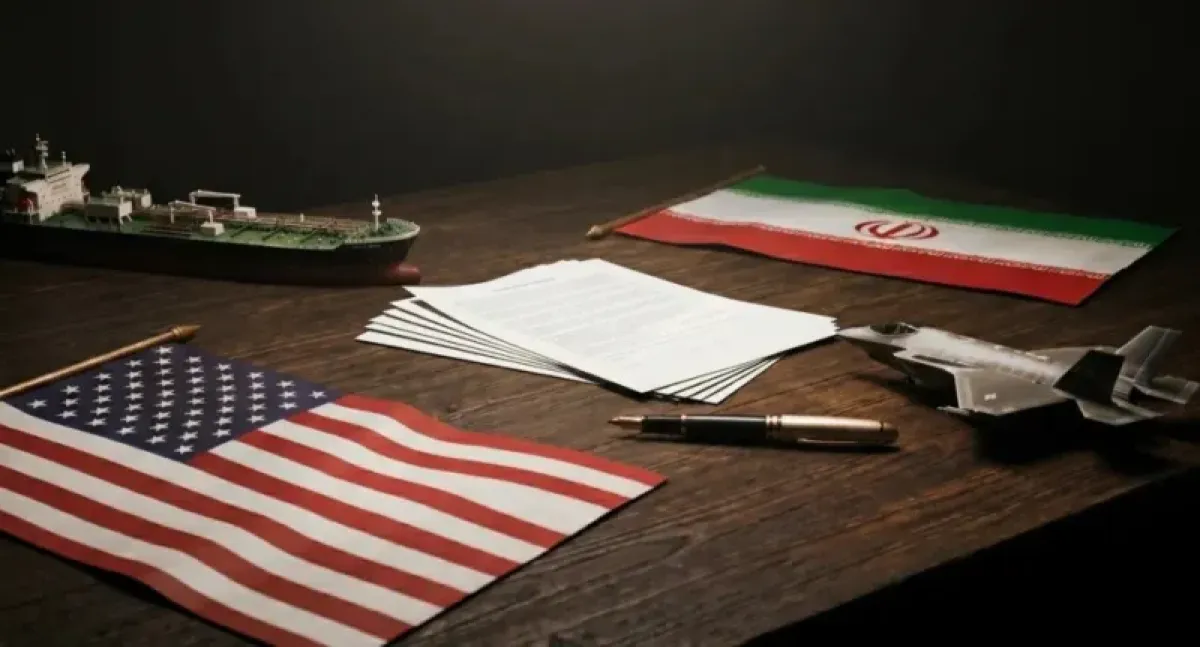
The analysis follows President Trump's announcement of reaching an agreement with Iran to open the Strait of Hormuz to international navigation without transit fees, alongside the lifting of American maritime blockades. The US administration considered this move an indication of the success of the negotiation path with Tehran after weeks of military escalation.
However, Rubin argues that relying on the permanence of the agreement reflects a misunderstanding of the Iranian regime's nature and decision-making processes. He points out that the Islamic Republic has consistently employed a strategy of distributing roles among various power centers, enabling it to achieve political gains through negotiation while simultaneously retaining tools for pressure and escalation.
The analysis references past experiences in US-Iranian relations, suggesting that Tehran has repeatedly succeeded in using negotiations to buy time and alleviate international pressure, while continuing to implement its strategic policies outside declared commitments. The researcher believes the most significant outcome of recent events is the Iranian leadership's realization of the immense economic and political value of the Strait of Hormuz. Iran no longer needs to physically close the strait to achieve its objectives; merely hinting at the possibility of disrupting or threatening navigation is sufficient to drive up oil prices and raise concerns in global markets.
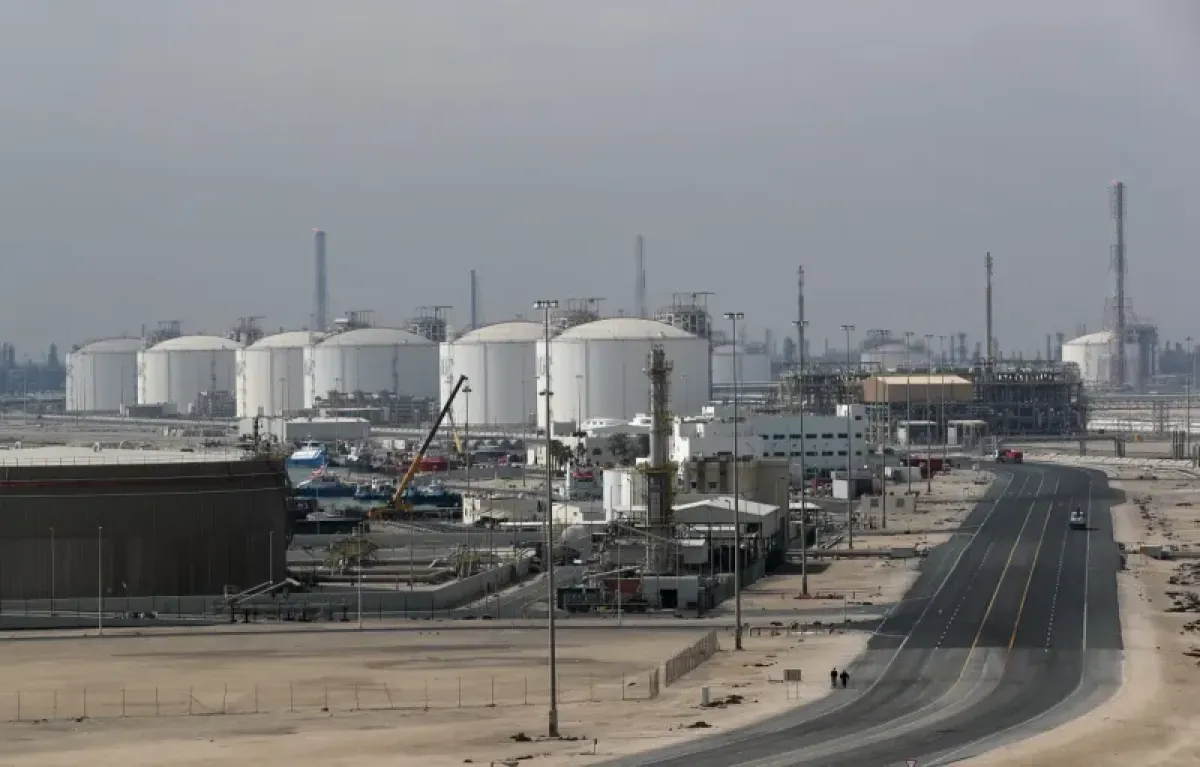
The analysis indicates that any future financial crisis or budget deficit in Iran could prompt the Revolutionary Guard to re-employ the strait as a leverage tool against the international community, especially given the Iranian economy's continued heavy reliance on oil revenues to fund government spending, salaries, and public expenditures. In a broader regional context, Rubin warns that granting Iran the capacity to profit from threatening international navigation could encourage other entities to adopt a similar approach, potentially ushering in a new era of competition to exploit vital maritime passages worldwide. The Bab el-Mandeb Strait is highlighted as a prime candidate for being affected by this precedent, given its strategic choke point for global trade and energy connecting the Red Sea to the Gulf of Aden.
The author suggests that the Houthi group might find the Iranian experience replicable, by attempting to impose fees or restrictions on passing vessels or exploiting security threats for financial and political gain. This could multiply the risks to international navigation in the Red Sea and Gulf of Aden. The analysis extends concerns to other maritime passages globally, including the Strait of Malacca in Southeast Asia, positing that any success in using waterways as economic leverage could encourage states or armed groups to adopt similar tactics. In response to these scenarios, Rubin calls for the US administration to reconsider its policies towards Libya, suggesting that Libyan oil could serve as a crucial strategic alternative for European markets, reducing reliance on energy routes threatened by regional tensions.
He believes that strengthening stability in Libya and enhancing its export capabilities could provide the United States and Europe with greater leeway to counter pressures related to energy security, thereby limiting Iran's or other actors' ability to use maritime passages as a tool for political and economic blackmail. The analysis concludes by emphasizing that the true challenge for Washington lies not only in ensuring the continuation of the current Hormuz agreement but in formulating a more comprehensive strategy to protect global freedom of navigation and prevent strategic maritime passages from becoming leverage tools used by states or armed groups for political and economic gain at the expense of international market stability and global energy security.