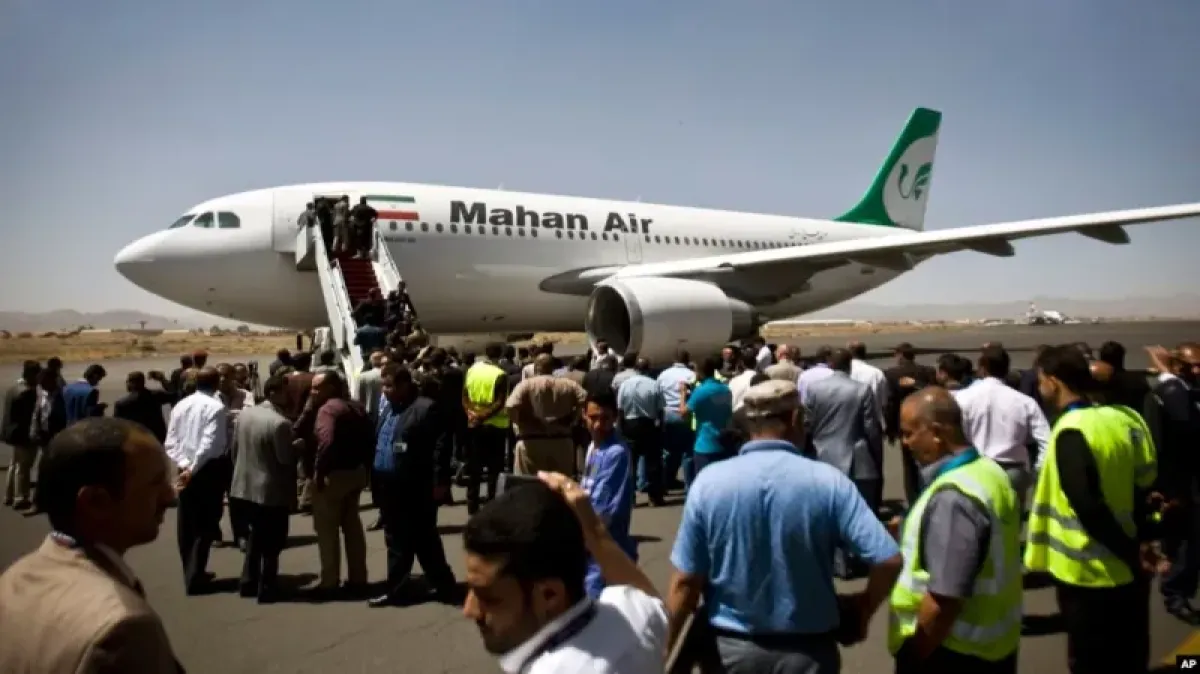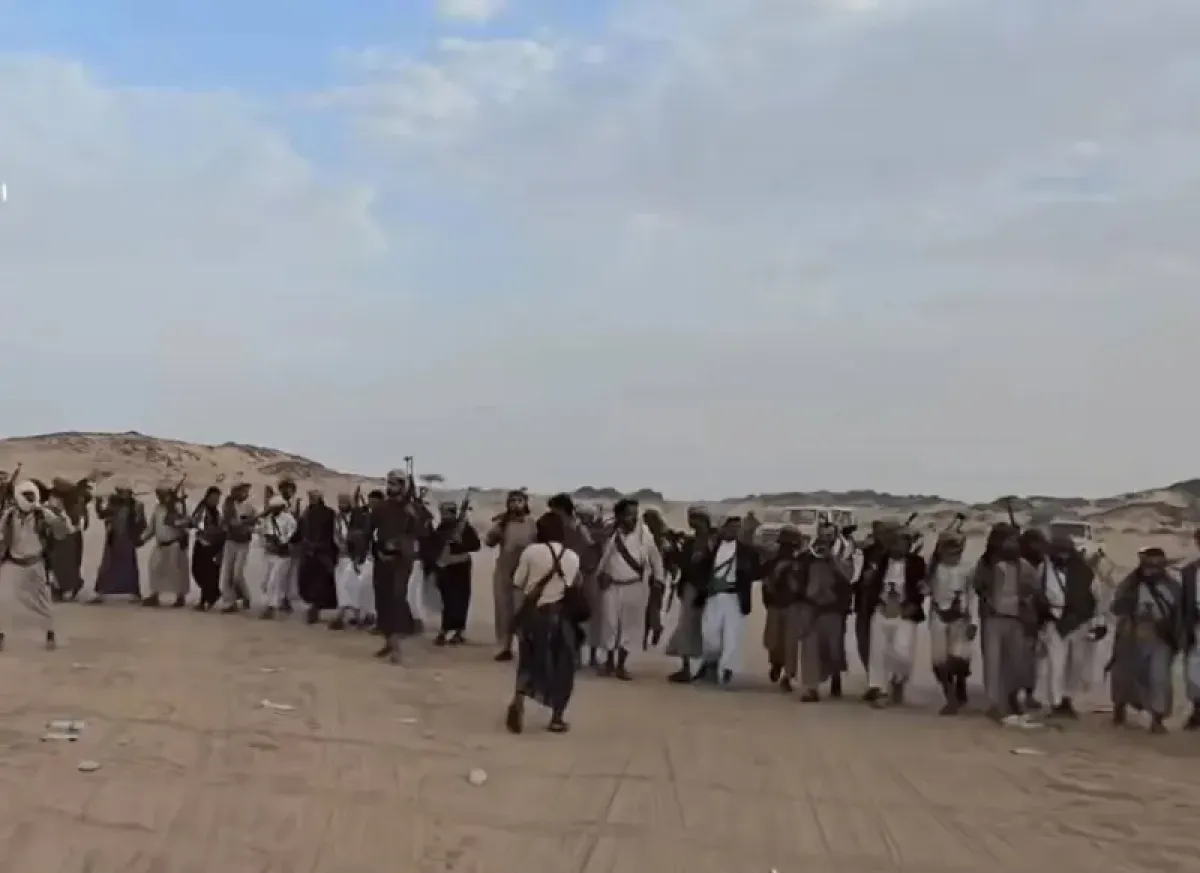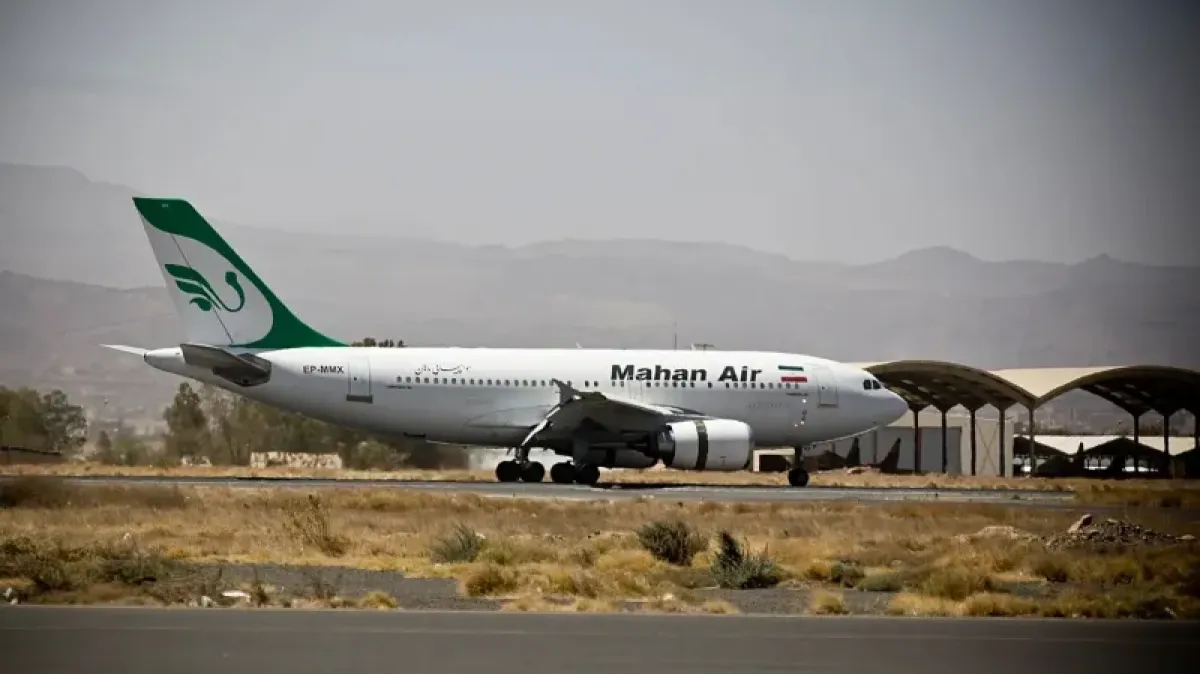
Iran and the Houthi group have reopened a direct air link between Tehran and Sanaa, a move that has triggered widespread political and security warnings. Accusations suggest these new flights extend beyond stated humanitarian purposes, potentially marking a new phase of enhanced Iranian influence in Yemen and the establishment of an air corridor for transferring expertise, technology, and weapons to the Houthi militia amidst ongoing regional and international peace efforts.
A Mahan Air flight landed at Sanaa International Airport, the first officially announced flight of its kind in years, before departing hours later with Houthi leaders en route to Tehran for the funeral of the former Iranian Supreme Leader Ali Khamenei. The group confirmed the aircraft carried over 200 individuals and explicitly announced the opening of a direct air route between Sanaa and Tehran, pledging its continuation "regardless of the outcomes and repercussions."
These developments carry implications beyond mere delegation transport. Analysts view this as a practical declaration of the revival of an air bridge that Tehran utilized in 2015 to solidify its presence in Yemen, intensifying flights to Sanaa shortly before the commencement of Arab Coalition operations. This raises renewed concerns that civilian flights might serve as a cover for the transport of military experts, equipment, and the enhancement of Houthi capabilities.
Concerns are amplified by the selection of Mahan Air for these operations. The airline is under U.S. sanctions, accused of links to the Iranian Revolutionary Guard Corps' Quds Force and of facilitating the transfer of personnel and materiel associated with Iranian military activities in the region. This raises questions about the true objectives behind the opening of this air route.
Analysts suggest the timing of this move is connected to regional shifts. Following setbacks to Iranian influence in several regional arenas, Tehran appears keen to assert that Yemen remains one of its critical strategic assets, and that the Red Sea and Bab el-Mandeb will continue to be within its sphere of influence and regional leverage. Internally, the Iranian flight was met with widespread official rejection. The Presidential Leadership Council convened an emergency meeting, condemning the flight as a "blatant violation of the sovereignty of the Republic of Yemen and a flagrant challenge to international law and Security Council resolutions."
The Council emphasized that the use of Yemeni air transit points outside state authority consolidates the militia's dominance over the nation's institutions and their exploitation for the Iranian project. It held Iran and the Houthi militia fully responsible for the consequences, deeming the move a direct threat to regional and international security and a undermining of UN, Saudi, and international partner efforts to revive the political process and end the conflict.
The escalation was not limited to the political sphere. The flight was immediately followed by military and media escalation from the Houthi side, with the group's military spokesperson threatening to target airports and vital facilities within Saudi Arabia, claiming to have repelled warplanes that attempted to prevent the Iranian aircraft's landing in Sanaa. The Saudi-led coalition responded by affirming its full readiness to confront any aggression, vowing a "firm and unprecedentedly strong" response to any attempt to target the Kingdom or violate Yemeni sovereignty, characterizing the Houthi threats as an extension of their hostile behavior and continuous undermining of regional security and international navigation.
The reopening of this air route also fuels growing fears of Sanaa Airport becoming a permanent logistical platform for supporting Houthi military operations. This comes amid recurring accusations of the Yemeni government using the airport and humanitarian flights to transport militia leaders and experts, while millions of Yemenis suffer from travel and medical access difficulties due to restrictions imposed by the group and their closure of major inter-governorate roads. Open-source data indicates that Sanaa Airport saw dozens of flights in June 2026 alone, many under the guise of humanitarian aid, reinforcing concerns about the exploitation of these flights for the passage of military technology and expertise, especially after the official announcement of a direct air supply line with Tehran.
Observers believe the reactivation of this route signifies an Iranian attempt to establish a new dynamic in the Yemeni conflict, based on consolidating its direct influence within Yemen and rebuilding supply channels away from maritime interdiction, which successfully intercepted numerous Iranian arms shipments to the Houthis in recent years. The move is also seen as a test of the Yemeni government and the international community's ability to enforce Security Council resolutions regarding the arms embargo on the Houthis and prevent the use of Yemeni territory and ports for cross-border military agendas. While the Houthi militia justifies the opening of the air route as an effort to "break the siege," critics point to a stark irony: the airport has served for years as an exit for the group's leaders and experts, while the travel and medical needs of millions of Yemenis remain hostage to political and military considerations, a scenario that bolsters accusations of using humanitarian issues for political blackmail and employing civilian facilities to serve the military agenda of the militias and their regional backers.