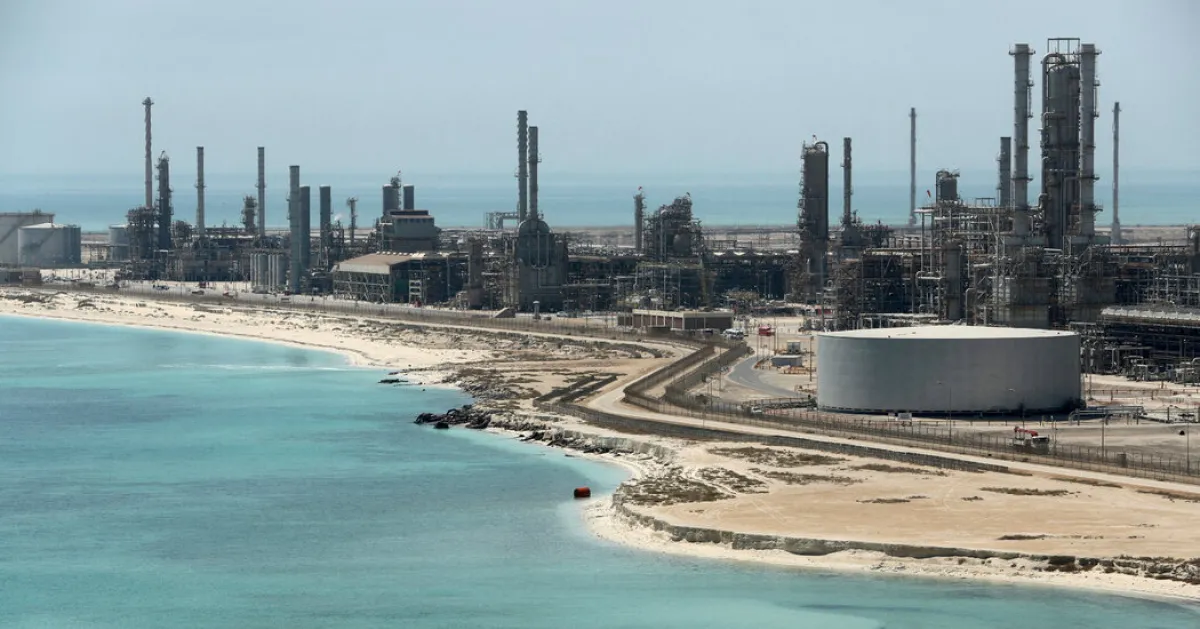
OPEC Plus announced a modest increase in oil production targets, signaling its continued commitment to global supply amid significant energy market volatility. The decision comes as the group navigates geopolitical tensions and recent fluctuations in crude prices.
The cartel, comprising the Organization of the Petroleum Exporting Countries and allied nations including Russia, will raise its production by 188,000 barrels per day for August. This move by Saudi Arabia, Russia, Iraq, Kuwait, Kazakhstan, Algeria, and Oman aims to support market stability, though the group emphasized a cautious approach given current conditions.
Recent market dynamics have been heavily influenced by the conflict in Iran, which initially caused oil prices to surge. However, subsequent diplomatic efforts between Iran and the United States to resolve the conflict have led to a significant drop in prices. This geopolitical tension has also tested regional alliances, including the influence of OPEC, which saw the United Arab Emirates temporarily depart the alliance in late April due to disagreements over production quotas.
The framework agreement signed between the United States and Iran on June 17 to reopen the Strait of Hormuz, a critical shipping lane previously closed for nearly four months, has also impacted supply dynamics. While the closure had previously made OPEC's production increases largely symbolic, increased shipping activity through the strait in recent weeks is expected to stabilize the market.
Analysts suggest that Sunday's production increase is unlikely to significantly impact oil prices, which have already retreated to near pre-conflict levels. Saudi Arabia and other Persian Gulf producers are actively increasing shipments, and Brent crude, the global benchmark, was trading around $72 a barrel on Friday, a considerable decrease from its peak of $118 during the early stages of the conflict.