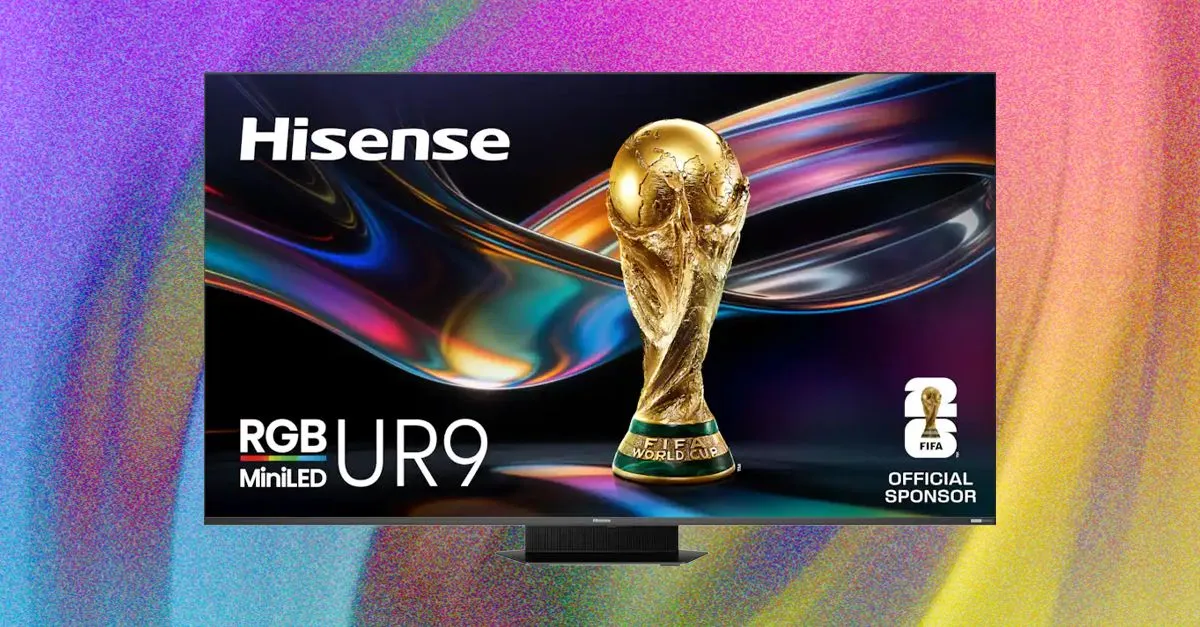
Hisense has dropped the UR9, an RGB Mini-LED TV that brings cutting-edge display tech to the gaming scene without a sky-high price tag. While Sony and TCL are also entering the RGB Mini-LED arena with their Bravia 7 Mark II and RM9L respectively, the UR9's real strength lies in the immersive experience it delivers, rather than just the jargon.
The core of this tech involves individual red, green, and blue LEDs, a departure from traditional white or blue LEDs found in standard LED and QLED TVs. This RGB approach results in significantly better color accuracy, deeper contrast, and brighter images, all with more precise control over different zones of the screen. While LG and Samsung are pushing their even smaller "micro RGB" technology, the practical outcome for users is largely comparable.
What makes the UR9 particularly exciting is its flagship status within Hisense's lineup, yet it retails for a surprisingly accessible $2,000 for the 65-inch model tested. This offers a clear upgrade in picture quality compared to Hisense's more budget-friendly offerings, which previously struggled with contrast and brightness, often falling into the same category as cheaper TCL or Roku TVs.
This gaming powerhouse boasts an impressive 180Hz refresh rate (with a variable 330Hz when connected to a high-end PC via DisplayPort), making fast-paced games look incredibly smooth. While it may not dethrone the premium, pricier micro RGB models from Samsung and LG, the UR9 delivers outstanding picture quality for its cost.
Beyond its display prowess, the UR9 features a sleek, super-thin design at just 1.8 inches deep. Setting it up is straightforward, with a user-friendly Google TV interface. Although the initial setup encountered a minor bug with the Google Home app's QR code scanner, a quick manual login resolved it. The TV also supports the faster Wi-Fi 6E standard for a more stable online experience.