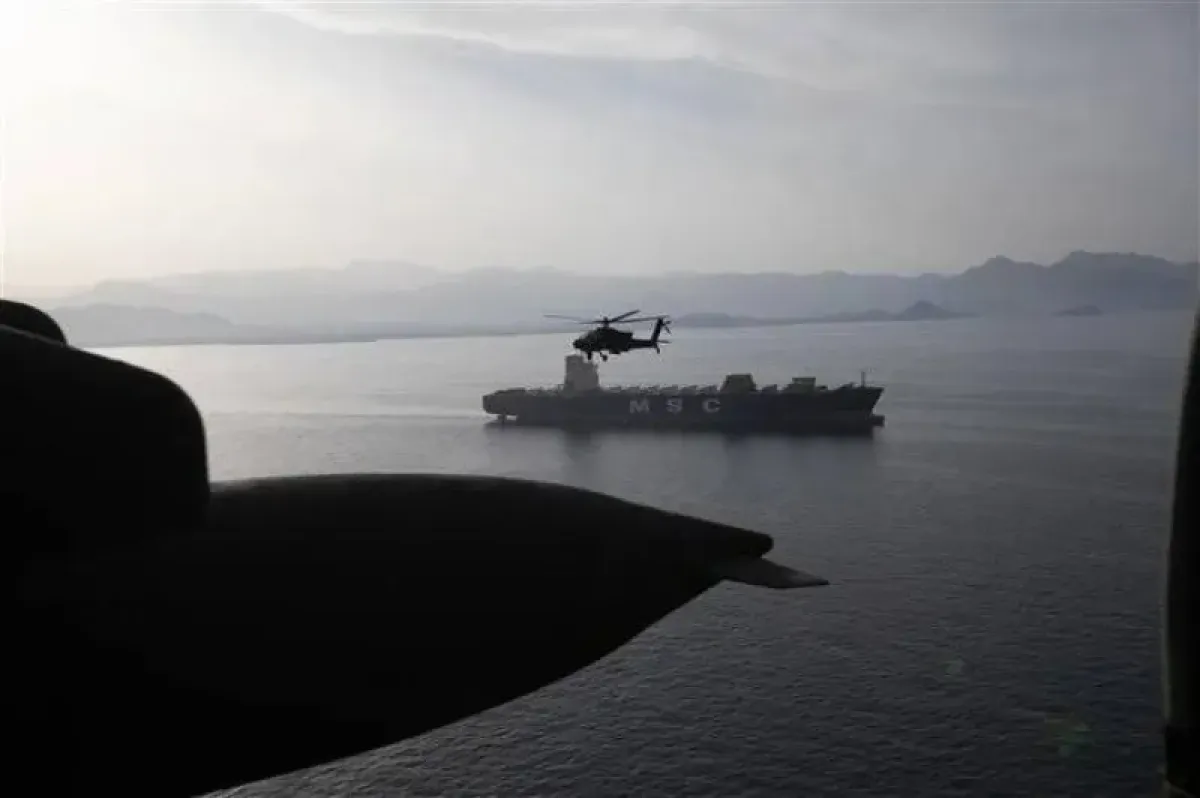
A new US analysis suggests that Iran is leveraging Houthi militants and Somali pirate networks to destabilize the Red Sea and Gulf of Aden, transforming maritime piracy into a tool within its "gray zone warfare" strategy. This escalation poses significant risks to international navigation and the recovery of global maritime trade.
The analysis, published by The War Zone and authored by strategic analyst Howard Altman, draws upon UN and intelligence reports. It indicates that Iran-backed Houthi militias are no longer solely focused on direct threats from Yemeni coasts. Instead, these reports suggest the Houthis are providing logistical and technical support to Somali pirate networks. This strategy offers Tehran a degree of plausible deniability while disrupting vital maritime routes.
According to the report, the UN has documented the transfer of advanced GPS tracking devices from the Houthis to Somali pirates, enabling more precise targeting of commercial vessels. Other reports point to Houthi mediation in arms smuggling deals with the Somali militant group Al-Shabaab, in exchange for intensified piracy operations off the Somali coast and in the Gulf of Aden.
Data from the International Maritime Organization shows a notable increase in maritime attack attempts, with 24 recorded in the Red Sea and Gulf of Aden over the past three months. This surge contrasts with a significant decline in piracy between 2020 and 2022, followed by a gradual resurgence in 2023 and 2024. Recent incidents include an attack on the cargo ship "Lady Naeema" and an thwarted attempt on the "Golden Answar" by Indian naval forces.
The International Maritime Organization has also called for the immediate release of 44 seafarers held captive by Somali pirates on three hijacked vessels, highlighting their dire humanitarian conditions. The analysis posits that the resurgence of piracy is intrinsically linked to the instability caused by previous Houthi attacks on shipping, which forced major shipping companies to reroute, bypassing the Suez Canal and drastically increasing transport costs.
A study by the American Security Project (ASP) cited in the analysis suggests that the Houthis view Somali piracy as a low-cost method to expand regional chaos without direct military escalation. This provides Iran with an additional means to complicate regional security and disrupt global trade lines. UN reports for 2025 also mentioned coordination between the Houthis and Al-Shabaab, including arms transfers, advanced navigation technology, and intelligence sharing for recent piracy attacks.
The analysis underscores the sensitive timing of this increased pirate activity, coinciding with ongoing tensions between the United States and Iran and the gradual return of shipping traffic through the Red Sea and Strait of Hormuz. This confluence of factors heightens the fragility of the security situation in one of the world's most critical maritime arteries. Maritime monitoring centers have raised the threat level in the Gulf of Aden to "significant," warning of potential further piracy incidents, particularly in coastal lanes frequented by small boats.
Somali authorities in Puntland have also warned of growing cooperation between the Houthis and armed groups, including pirates, stating that the acquisition of more advanced weaponry and technology by these groups poses a direct threat to maritime security in the Horn of Africa. The Houthi campaign of attacks since late 2023 has imposed a new security reality, compelling the US and its allies to deploy naval forces and conduct extensive military operations to protect international navigation.
Despite a fragile ceasefire, the analysis contends that the risk of escalation persists, either through renewed direct Houthi attacks or the use of pirate groups as an indirect tool to maintain pressure on global trade. This confluence of piracy and Houthi threats marks a new phase of maritime instability, where dangers extend beyond missile and drone attacks to encompass sophisticated pirate networks, reflecting Iran's broader proxy strategy to destabilize regional security and threaten vital international trade routes.