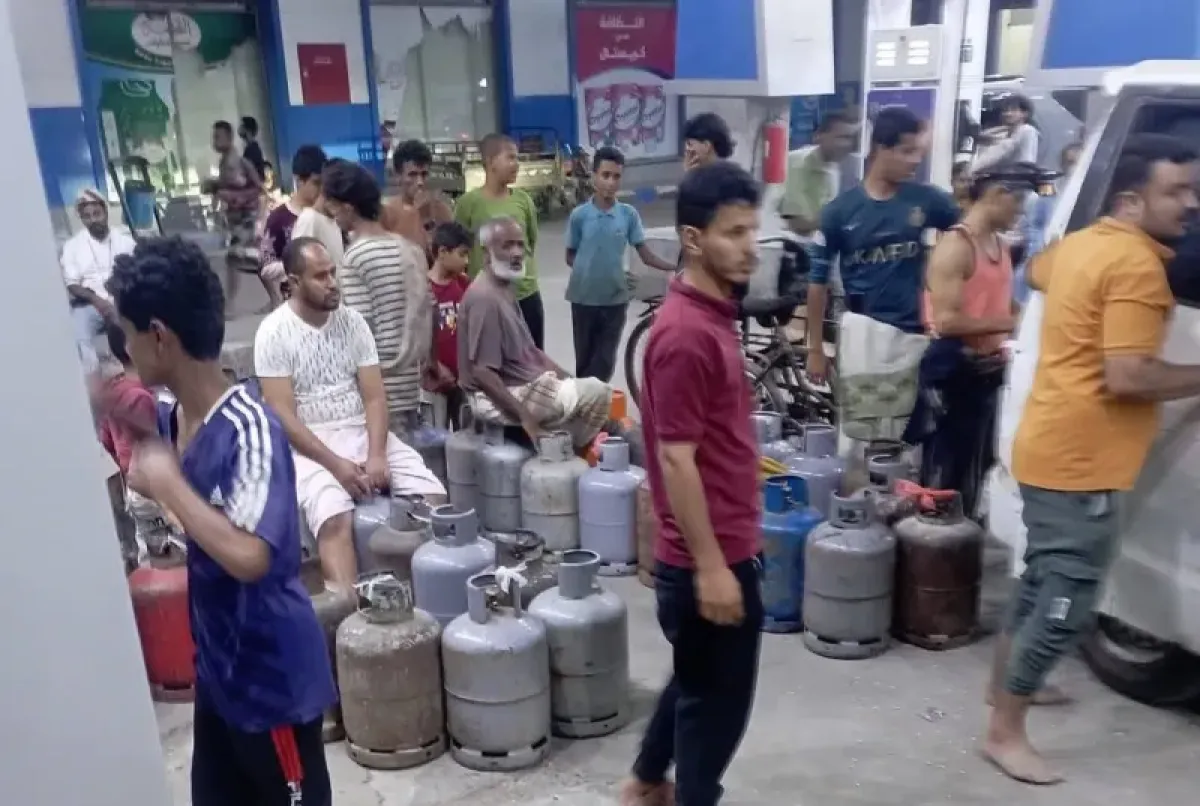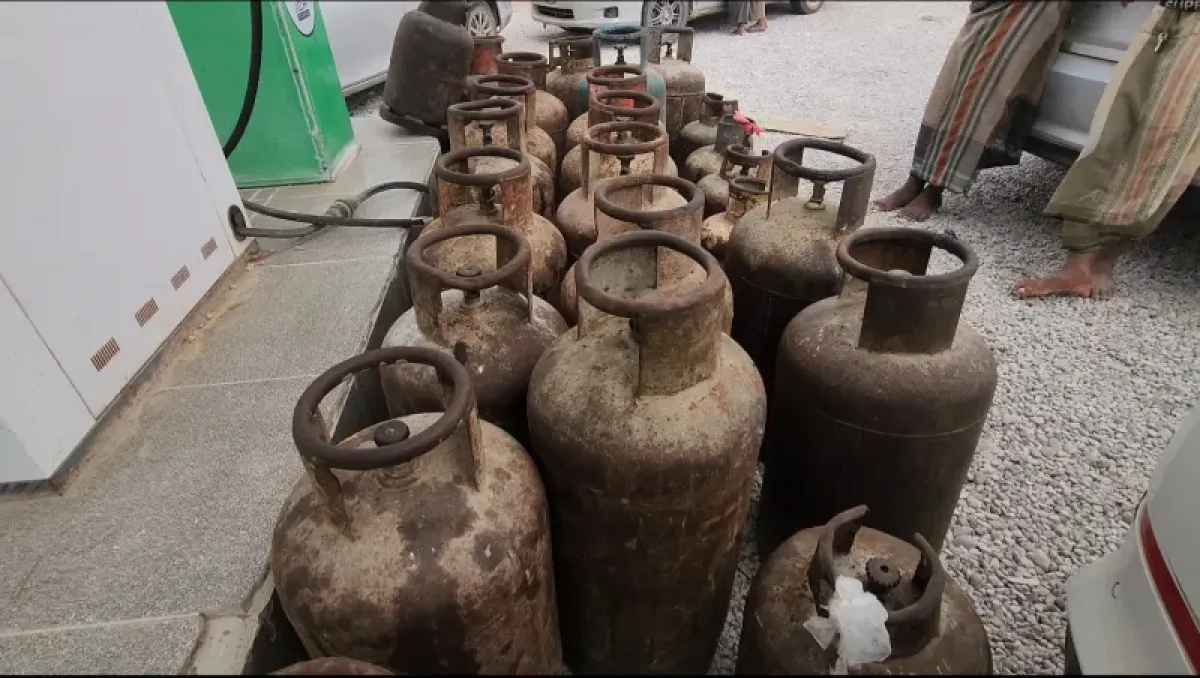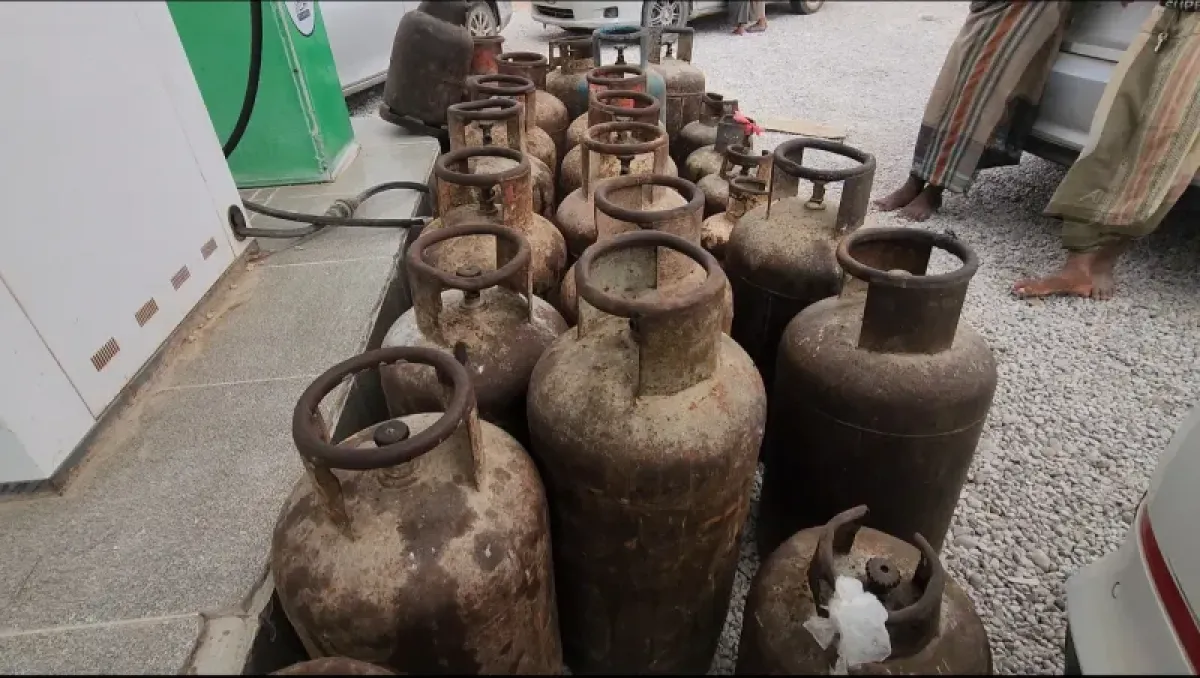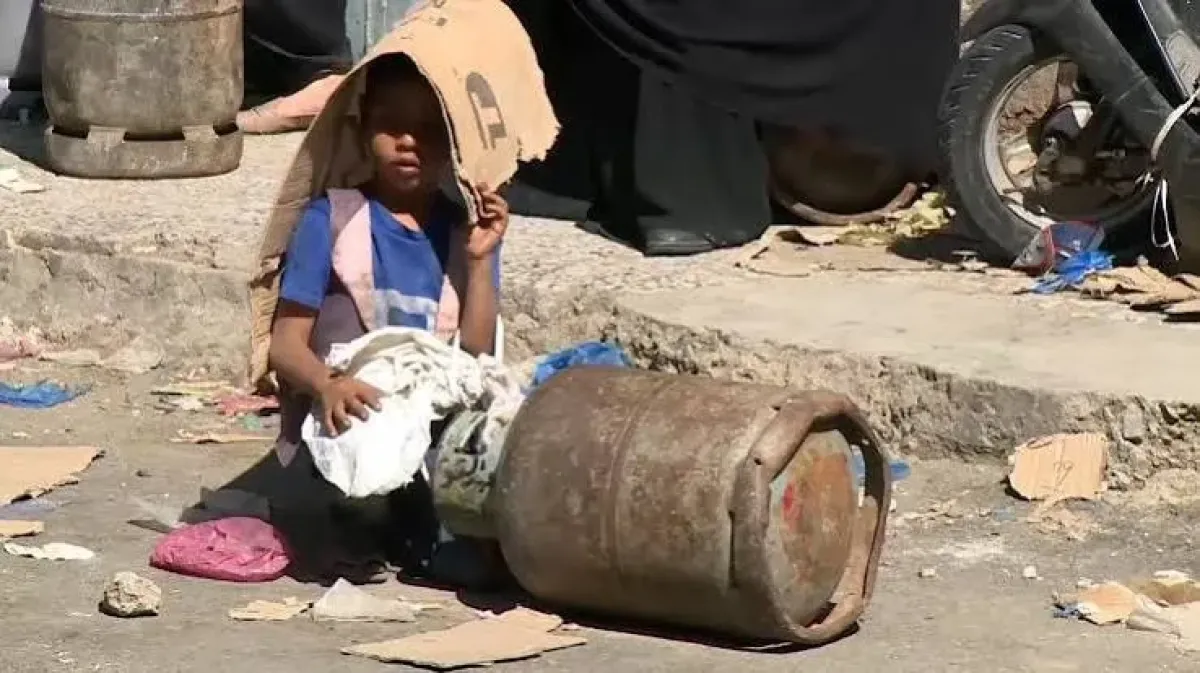
Residents of Taiz are enduring severe gas shortages, with long queues forming at distribution points and accusations of corruption and mismanagement surfacing. The crisis, which has become a recurring problem, is significantly impacting daily life and economic activity in the densely populated governorate.
The widespread scarcity has forced many gas filling stations and distributors to halt sales, leaving thousands of citizens struggling to obtain essential household fuel. Citizens report that stations have been closed for days due to a lack of supplies. While some distributors attribute the interruption to delayed shipments and promise resumption of services, these explanations are viewed by the public as repetitive and ineffective in resolving their plight.
The crisis extends beyond domestic use, severely affecting the transportation sector due to a persistent shortage of vehicle gas. Hundreds of cars and buses have been seen lining up for hours at filling stations, causing significant traffic congestion and partial paralysis of public transport within the city. Consequently, transportation fares have increased, adding further financial strain on residents already grappling with economic decline and rising prices.
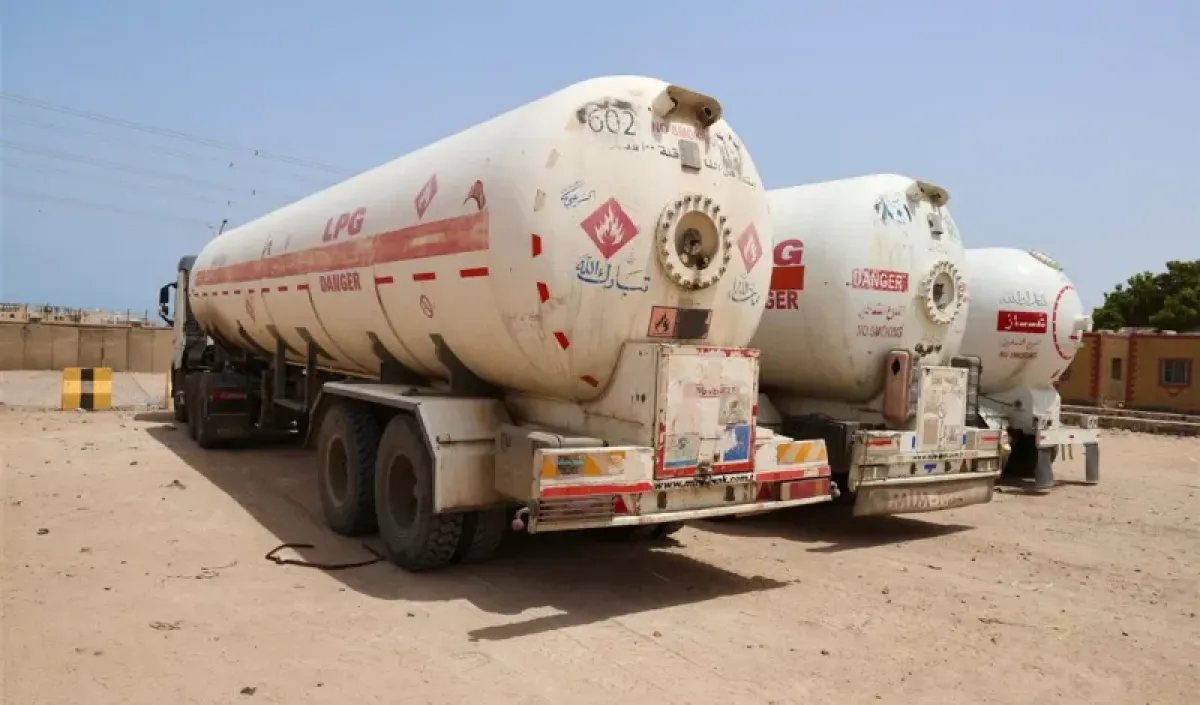
Sources indicate that the quantities of gas reaching Taiz from the Safer facility are insufficient to meet the governorate's minimum needs, which are estimated at five tankers per day. The persistent gap between supply and demand exacerbates the shortages. Activists and energy sector observers argue that the crisis is not solely due to supply deficits but also to poor management of the sector. They are demanding transparency from the local authority regarding Taiz's allocated gas quotas and distribution mechanisms.
Accusations of manipulation of Taiz's gas allocations have intensified, with allegations that a portion of the supplies is being diverted to the black market or smuggled to areas controlled by Houthi militias. There are calls for a thorough investigation to determine the fate of the governorate's allocated quotas and to hold those responsible accountable if the accusations are substantiated. Critics point to the lack of official responses and oversight as deepening public mistrust and suggesting systemic failures beyond simple supply issues.
The local authority in Taiz is facing increasing criticism for its failure to implement effective solutions. Citizens express frustration over repeated promises that fail to materialize, leading to worsening hardships year after year. Activist Sukoon Al-Absi commented, "The gas crisis continues to suffocate all residents of Taiz Governorate, caused by the quota mafia and corruption lobbies in a country rich in oil resources," reflecting widespread public discontent.
Activists are urging a review of the gas distribution mechanism, stricter oversight of stations and distributors, and the regular publication of data detailing incoming quantities and their distribution to prevent monopolization and curb the black market. Observers believe the gas crisis in Taiz has transcended a mere supply issue, evolving into an indicator of administrative challenges in managing essential services, marked by a lack of sustainable solutions and ongoing disputes over allocations and distribution.