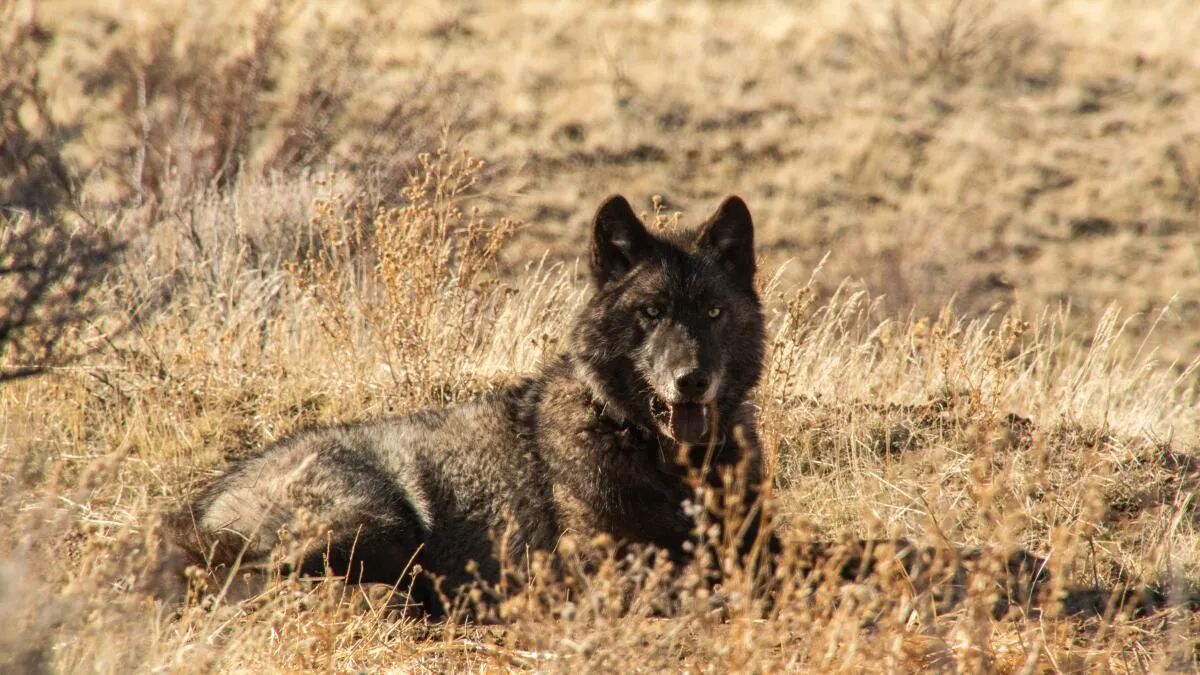
A new study by UC Davis researchers indicates that gray wolves in California are significantly favoring cattle as a food source over their natural prey, with cattle DNA found in 72% of wolf scat samples. This finding highlights a growing conflict between conservation efforts and livestock producers in the state.
The research, conducted during the summers of 2022 and 2023, analyzed wolf scat to determine dietary habits. Mule deer, a primary natural prey for wolves in California, were identified in 45% of the samples, while smaller mammals appeared in 51%. Cattle, however, were the most frequently detected food source. Tina Saitone, the study's lead author and a professor at UC Davis, stated that cattle constitute a "huge component of the wolves’ diet," whether through scavenging or direct predation. She added that the species' conservation success in the region is "because of livestock producers in the state."
This dietary pattern suggests that wolves may be becoming dependent on livestock due to the perceived ease of preying on cattle compared to the more challenging task of hunting the state's diminishing deer population. Scavenged items such as chicken and pig DNA were also found, indicating wolves may also access food from human waste disposal sites.
The study's findings, though focused on the Lassen and Harvey wolf packs, underscore the challenges of human-wildlife coexistence. Investigations into wolf-livestock predation in California have surged, with 267 cases opened in 2025, a substantial increase from 74 in the previous year. Of these, 198 livestock losses were confirmed as likely wolf-related, leading to significant backlash from ranchers.
In response to a high rate of livestock kills, the California Department of Fish and Wildlife took the unprecedented step of euthanizing four gray wolves from the Beyem Seyo pack, which were linked to 70 livestock deaths in under six months. Wildlife officials have cautioned that wolves becoming accustomed to feeding on cattle, rather than their natural prey of elk or deer, can hinder recovery efforts for the species and disrupt ecological balance. Furthermore, habituation to livestock can lead wolves to approach human settlements, increasing conflict potential.
The economic impact on ranchers is considerable, with each lost animal costing thousands of dollars. The state has implemented a compensation program for ranchers and recently allocated $2 million to continue these payments and support non-lethal wolf deterrence methods. A separate UC Davis study also revealed that the mere presence of wolves increases stress levels in cattle, evidenced by a 58% higher cortisol level in herds living near wolves compared to those in wolf-free areas, which could have long-term production consequences.
The return of wolves to California, after nearly a century of extinction due to hunting and trapping, presents complex challenges for wildlife authorities. The wolves, which first reappeared in the last 15 years migrating from Oregon, have established several packs primarily in the northeastern part of the state. As of the end of 2025, California confirmed 55 wolves alive across nine packs. Despite the challenges to the agricultural community, apex predators like wolves play a critical role in maintaining ecosystem health by controlling mid-level predator populations, which in turn benefits vegetation and other wildlife lower on the food chain.