President Donald Trump announced that the United States and Iran have agreed to continue discussions despite heightened hostilities, while simultaneously declaring an end to the ceasefire established last month.
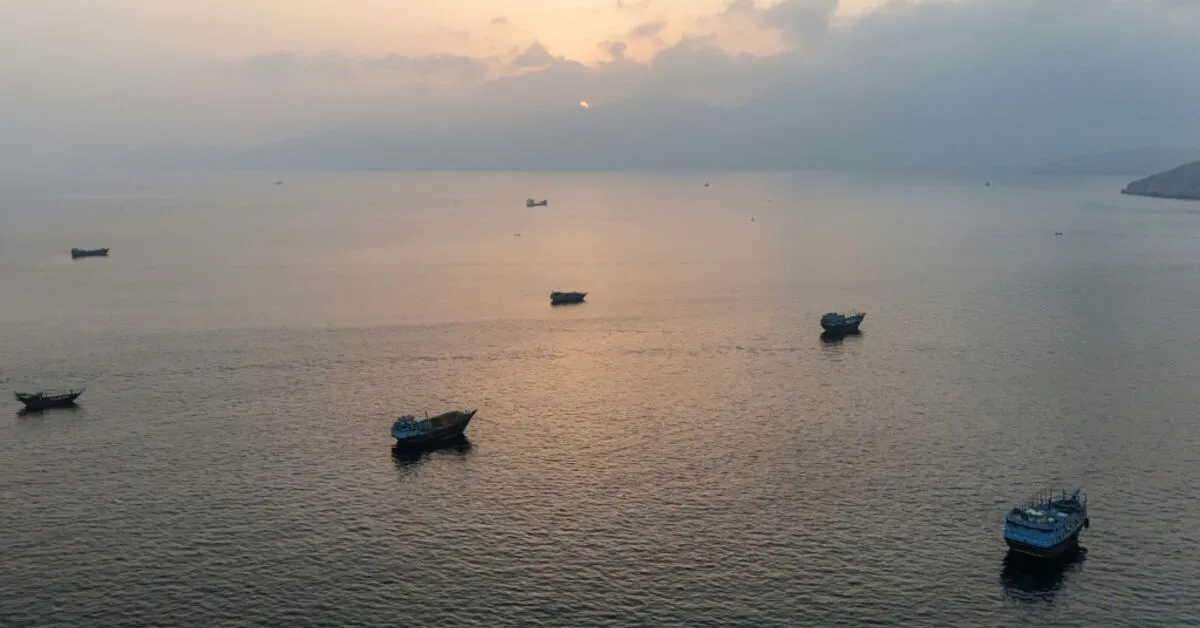
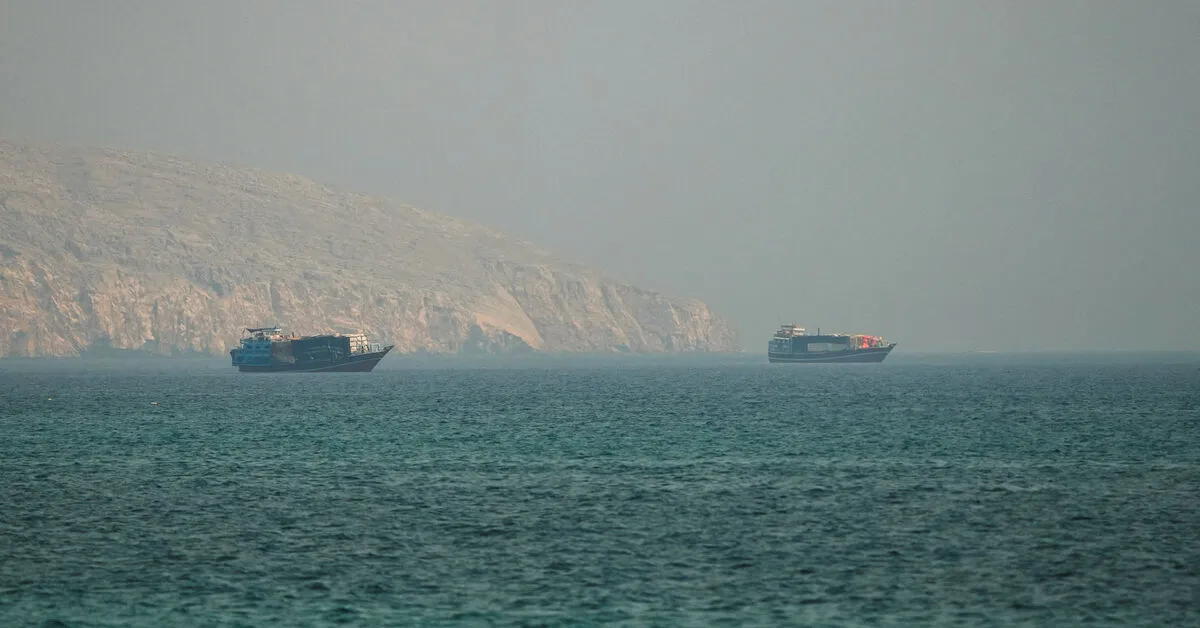
The U.S. intensified its demands for Iran to cease attacks on vessels in the Strait of Hormuz, a critical shipping lane where recent confrontations have driven up oil prices, a matter of political sensitivity for Trump in the lead-up to the November congressional elections. Trump's remarks followed a period of relative calm after a week of renewed conflict, which included attacks on three commercial tankers from Qatar and Saudi Arabia, prompting U.S. strikes on Iranian targets and subsequent Iranian retaliatory strikes on U.S. military installations in Gulf states.
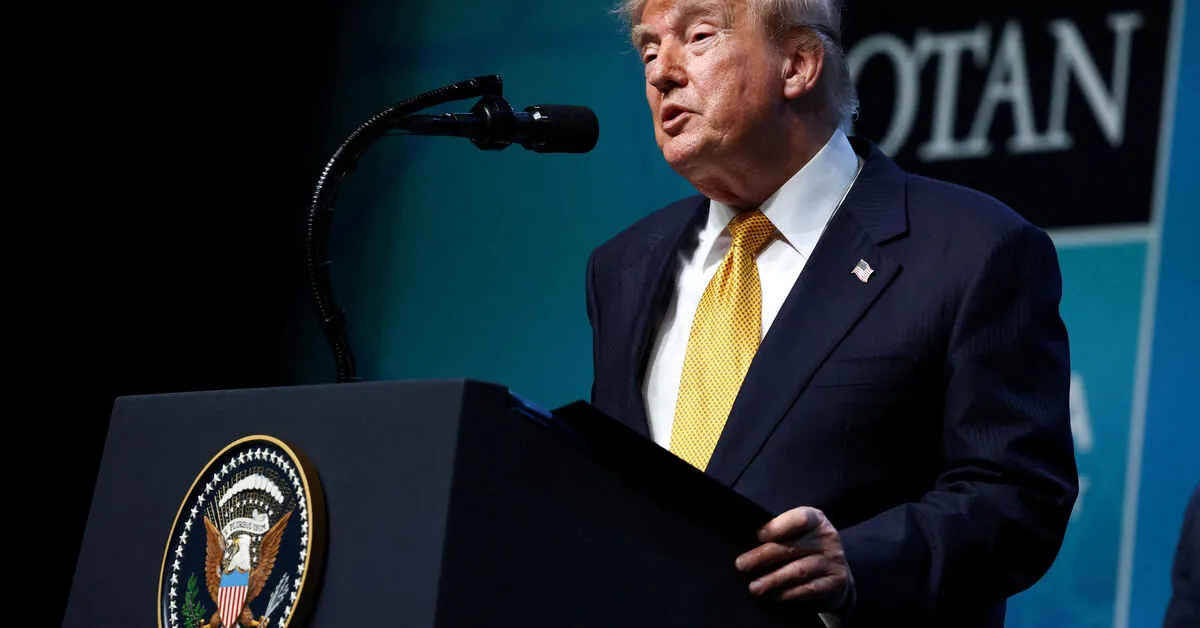
"The Islamic Republic of Iran has asked us to continue 'talks.' We have agreed to do so, but the United States has stated to them, in no uncertain terms, that the Cease Fire is OVER!" Trump stated via his Truth Social platform. However, Iran disputed this account, with state television reporting that Tehran had not requested talks with the U.S. but had consented to host a Qatari mediator. Qatari negotiators were reportedly meeting with Iranian officials on Friday to facilitate de-escalation and discuss the situation in the Strait of Hormuz.
Furthermore, Trump indicated he had instructed the U.S. military to prepare for potential strikes against Iran should Tehran initiate or attempt an assassination of the U.S. president. He posted, "1000 Missiles are Locked and Loaded and aimed at the Islamic Republic of Iran, with thousands of more to immediately follow, should the Iranian Government act on its threat... to assassinate, or attempt to assassinate, the sitting President of the United States of America, in this case, ME!" Reports from U.S. media outlets, including The Wall Street Journal, suggested that Israel had shared intelligence with Washington indicating Iran's recent development of a plan to assassinate Trump.
The Strait of Hormuz remains a focal point of diplomatic efforts. Iranian Foreign Minister Abbas Araqchi traveled to Oman to discuss arrangements for safe passage through the strait. Senior U.S. officials reiterated demands that Iran publicly commit to halting attacks on ships in the Strait and ensure the unrestricted opening of all lanes within the waterway, which was a vital artery for one-fifth of global oil supplies prior to the conflict. During the war, Iran has largely controlled the strait, creating a standoff with the U.S. military. Official reports indicated that 17 individuals were killed and 115 wounded in U.S. strikes on six Iranian cities on Wednesday and Thursday.
Despite the ongoing tensions, U.S. officials described recent communications between the two nations as productive. Iran's foreign ministry spokesperson stated that any violation of commitments by Washington would result in "reciprocal action," according to state media. The interim deal reached last month was intended to pave the way for an end to the ongoing conflict, which has caused significant casualties, disrupted global energy supplies, and raised concerns about a worldwide economic downturn. The renewed fighting in the Gulf has negatively impacted U.S. consumers, with crude oil prices experiencing their largest weekly increase in eight weeks after a period of decline.