Diplomatic efforts are underway to de-escalate tensions and salvage peace talks between the United States and Iran following a significant exchange of hostilities that jeopardized a fragile ceasefire agreement. A Qatari delegation has visited Tehran, while Iran's Foreign Minister traveled to Oman, as mediators attempt to prevent further conflict.
The recent escalation occurred this week, casting doubt on an agreement intended to pave the way for a permanent end to the war, which commenced in late February with extensive US-Israeli strikes on Iran. Despite the absence of direct talks between Tehran and Washington since last month, Iranian media reported that a Qatari delegation arrived in Iran on Friday. This visit follows remarks by US President Donald Trump, who indicated that discussions would proceed, notwithstanding his previous characterization of them as "a waste of time."
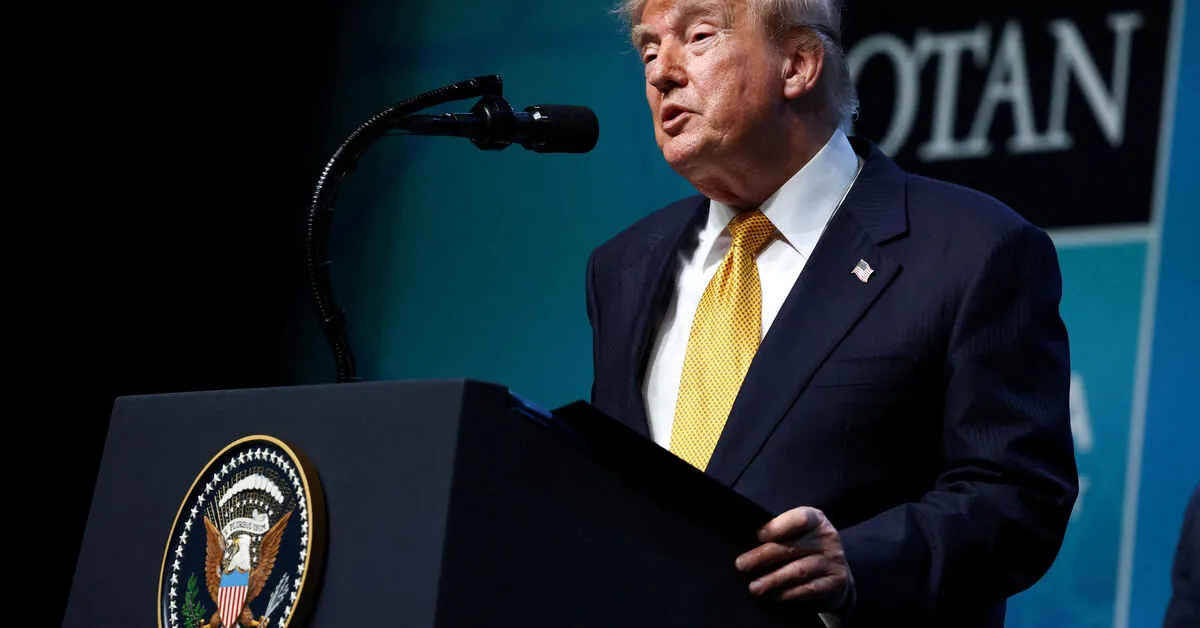
President Trump stated on his Truth Social platform, "The Islamic Republic of Iran has asked us to continue 'talks'. We have agreed to do so, but the United States has stated to them, in no uncertain terms, that the Cease Fire is OVER!" He further intensified his rhetoric, threatening severe retaliation if Iran attempted to assassinate him.
Concurrently, Iranian Foreign Minister Abbas Araghchi arrived in Oman on Saturday for discussions concerning the critical Strait of Hormuz. Oman has previously facilitated negotiations between the US and Iran. Araghchi asserted that Iran had upheld its commitments, criticizing the US Treasury Secretary for violating "Para 9 of the MoU." This clause in the US-Iran memorandum of understanding stipulates that Washington would not impose new sanctions or deploy additional forces in the region while awaiting a final agreement. This week, the US Treasury Department revoked a sanctions waiver related to Iranian oil, which had allowed Tehran to produce and sell crude oil until August 21.
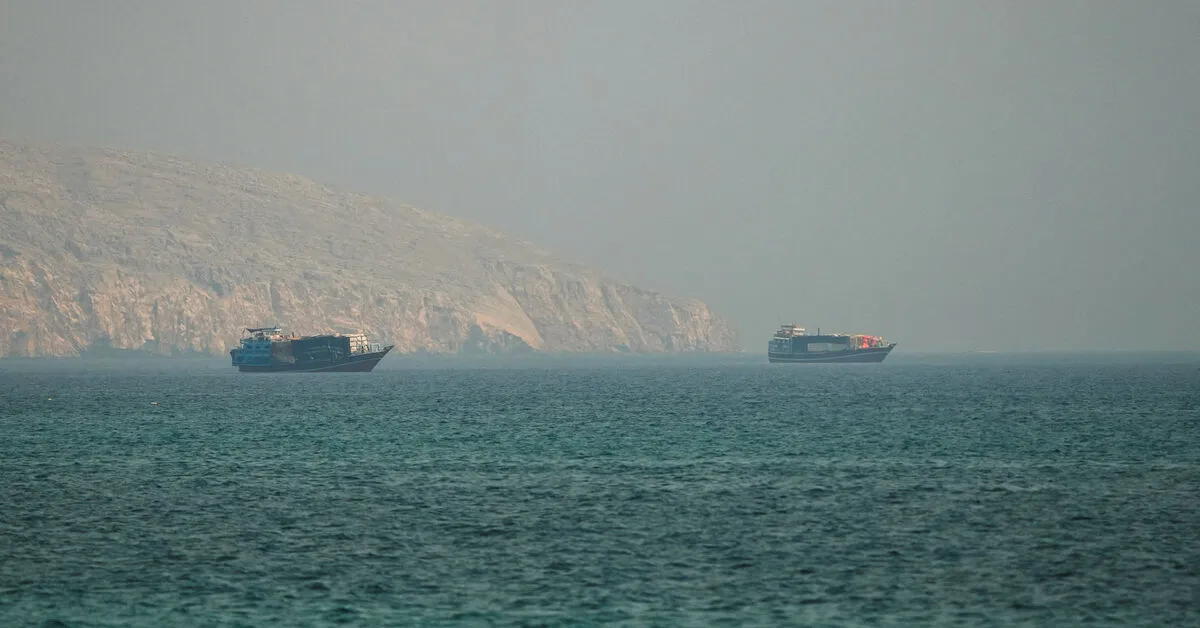
The future of the Strait of Hormuz remains a primary obstacle to a comprehensive accord. Iran, which closed the strait to commercial vessels during the conflict in response to US-Israeli strikes, insists on controlling maritime passage and plans to implement fees. Washington, however, maintains that the Strait of Hormuz is an international waterway and that any such fees would be unacceptable. Reports indicate that Washington has set a Saturday deadline for Iran to cease firing on commercial ships and acknowledge the waterway's open status.
The recent exchanges were reportedly initiated after Iran accused three vessels of deviating from approved routes. In response, the US military conducted extensive bombing raids across Iran, targeting approximately 90 sites. Tehran's health ministry reported that these strikes resulted in 17 fatalities and 115 injuries. The American military actions also prompted retaliatory measures from Iran against US-allied nations in the Gulf hosting American military bases.
Despite facing repercussions of the conflict, Qatar has been actively leading efforts to revive diplomatic processes. Iranian news agency Tasnim reported that a Qatari delegation visited Tehran on Friday to bolster Qatar's mediation role. Pakistan's Prime Minister Shehbaz Sharif also engaged in discussions with Qatar's emir and Iran's President Masoud Pezeshkian, urging the safeguarding of the region's "hard-earned peace." However, Iran's chief negotiator, Mohammad Bagher Ghalibaf, conveyed a resolute stance, emphasizing that any resolution must not involve Iran's surrender and that the nation is prepared for self-defense.