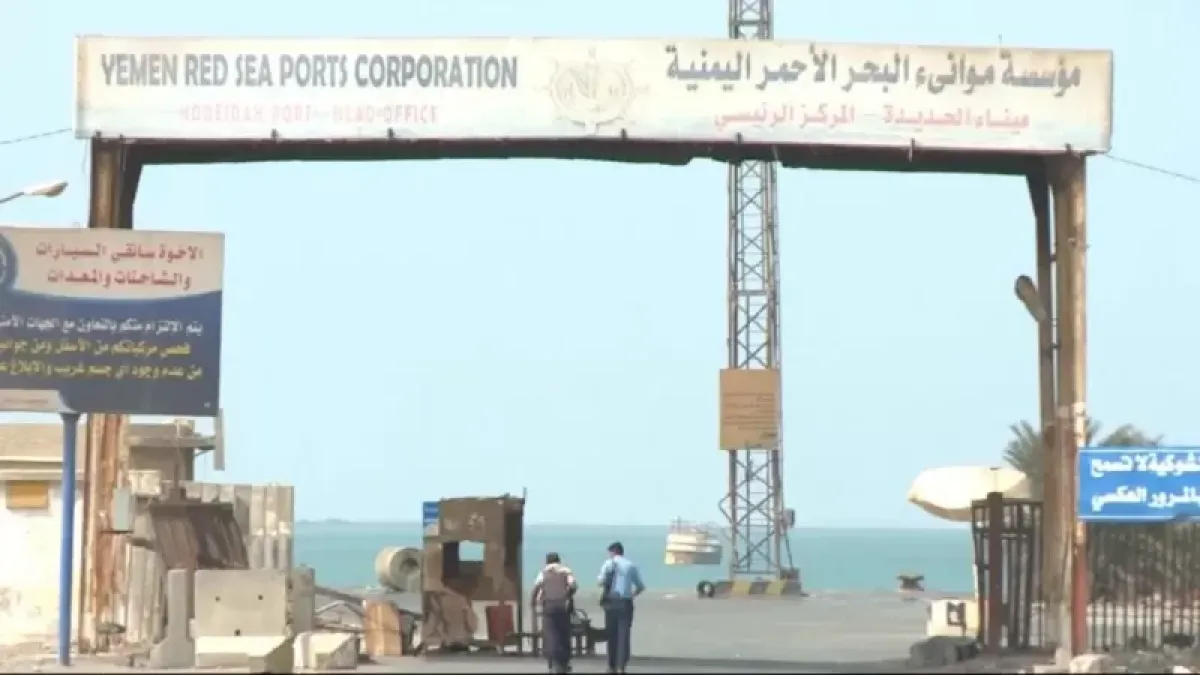
A recent UN report has revealed that Houthi policies and the decline in the performance of Red Sea ports have caused economic losses exceeding $1.4 billion in areas controlled by the militia, exacerbating the Yemeni economy's collapse.
The World Food Programme indicated that the deterioration of Red Sea ports under Houthi control has intensified the revenue shortfall crisis, resulting in substantial financial losses. The report highlights that the reduced operational capacity of these ports has directly impacted financial resources and essential services.
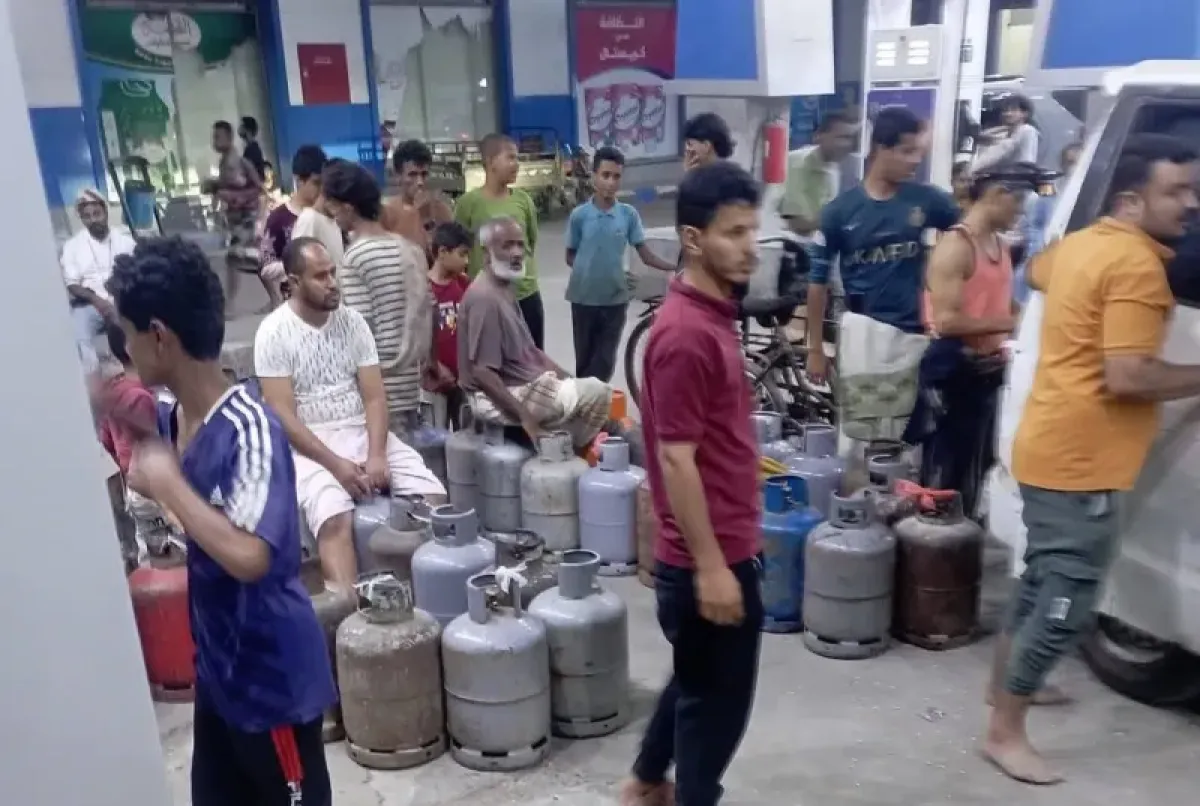
The ramifications of this decline extend beyond mere financial losses for the ports; they critically affect commercial activity and import volumes. Yemen heavily relies on its maritime ports for essential goods and fuel, making any disruption to these facilities immediately consequential for citizens and markets.
The report further details that Houthi authorities have resorted to increasing taxes and confiscating assets to counteract revenue decline. According to the report, these measures have heightened economic pressures on the populace and the private sector, intensifying the livelihood crisis in Houthi-controlled regions.
Economists suggest these actions reflect a failure in public resource management. Instead of addressing the root causes of economic collapse and improving the investment and trade environment, losses from diminished economic activity have been transformed into additional burdens for citizens and traders.
Red Sea ports, notably Hodeidah, As-Salif, and Ras Isa, have sustained damage due to military escalation and targeted attacks on their infrastructure. This has led to a significant reduction in their operational capacity and their ability to receive and unload commercial shipments.
However, the degradation of these ports is also part of a broader pattern of mismanagement and the political appropriation of economic resources. The Yemeni government and numerous observers accuse the Houthis of utilizing revenue-generating institutions to advance the group's military objectives rather than directing them toward economic development and alleviating public suffering.
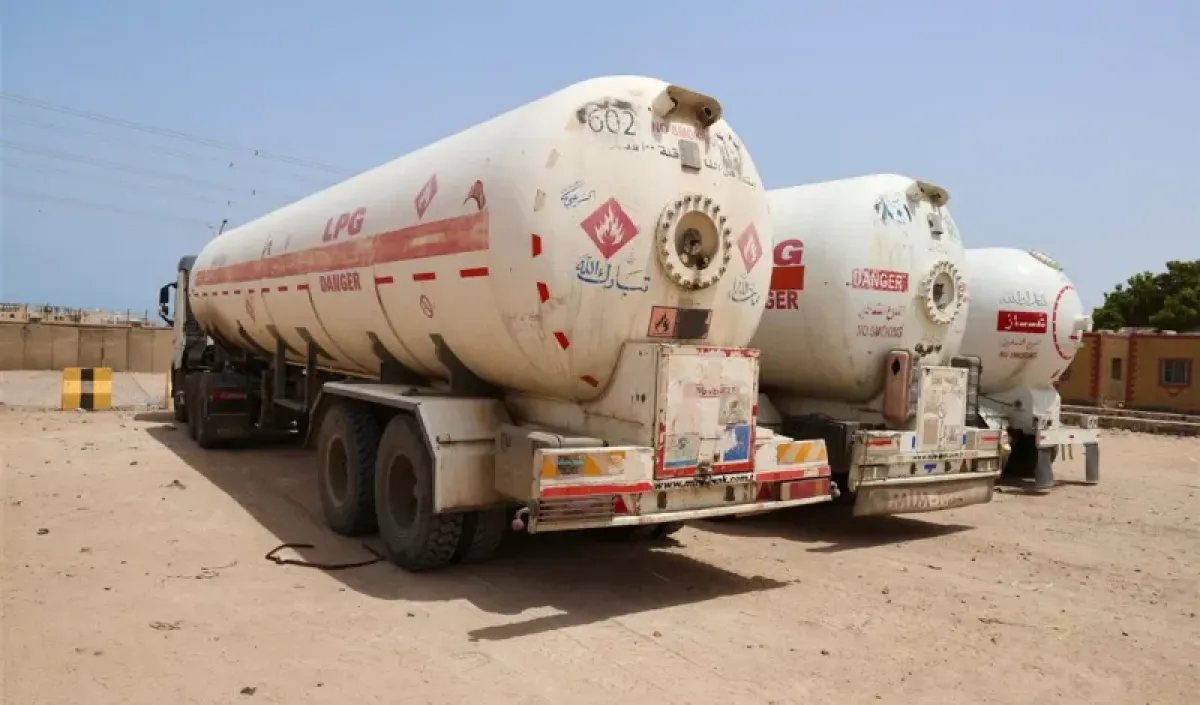
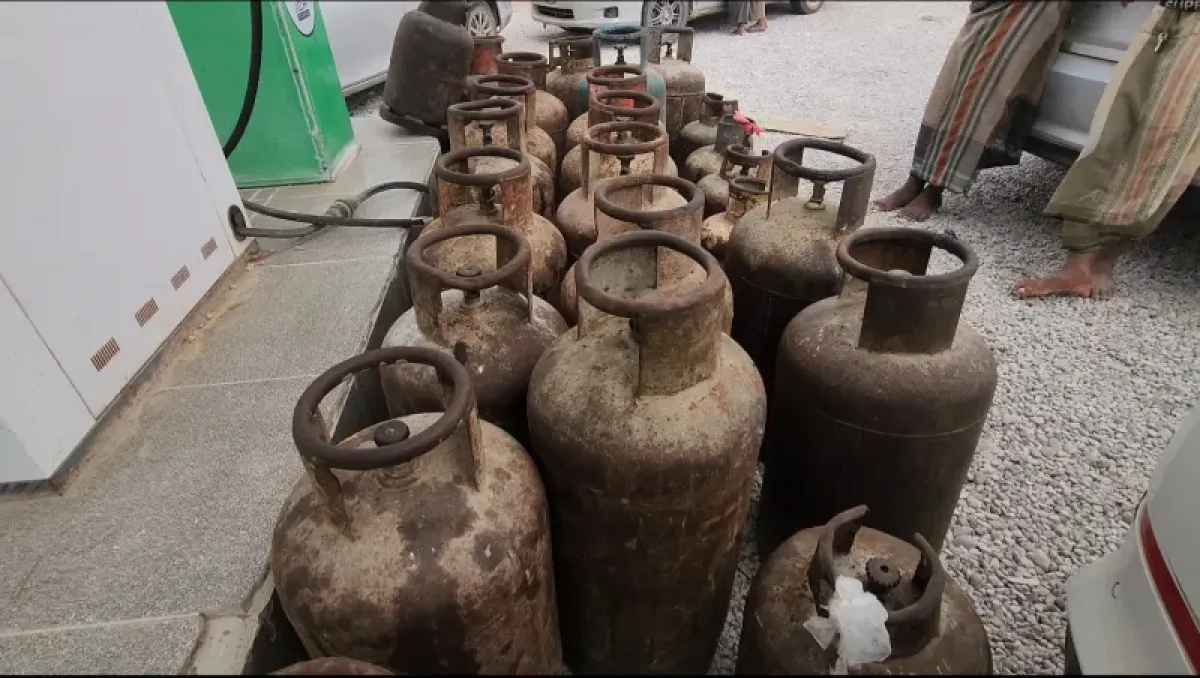
The UN report noted that navigation disruptions in the region, including the Strait of Hormuz crisis, have further complicated Yemen's fuel situation, impacting import volumes, prices, and the availability of essential services.
The economy in Houthi-controlled areas faces formidable challenges, including the depletion of foreign exchange reserves, liquidity shortages, sanctions, the relocation of major bank headquarters to the interim capital of Aden, and a slowdown in economic activity.
The new losses in the port sector underscore the economic cost of a war that has weaponized Yemen's vital resources, intensifying the suffering of millions of citizens grappling with rising prices, declining services, and job scarcity.
While the Houthis persist in attributing economic crises to external factors, international reports indicate that the group's control over revenue-generating institutions and their use in financing military activities have exacerbated economic imbalances and weakened Yemen's recovery capacity.
The losses, exceeding one billion dollars, emphasize that the continuation of conflict and managing the economy through a war-centric approach threaten the remaining foundations for recovery, rendering the Yemeni citizen the most adversely affected party by the economic collapse.