The powerful El Niño weather pattern is already shaking up global fisheries, causing significant disruptions for some species while creating unexpected bounty for others, all within the first month of its influence.
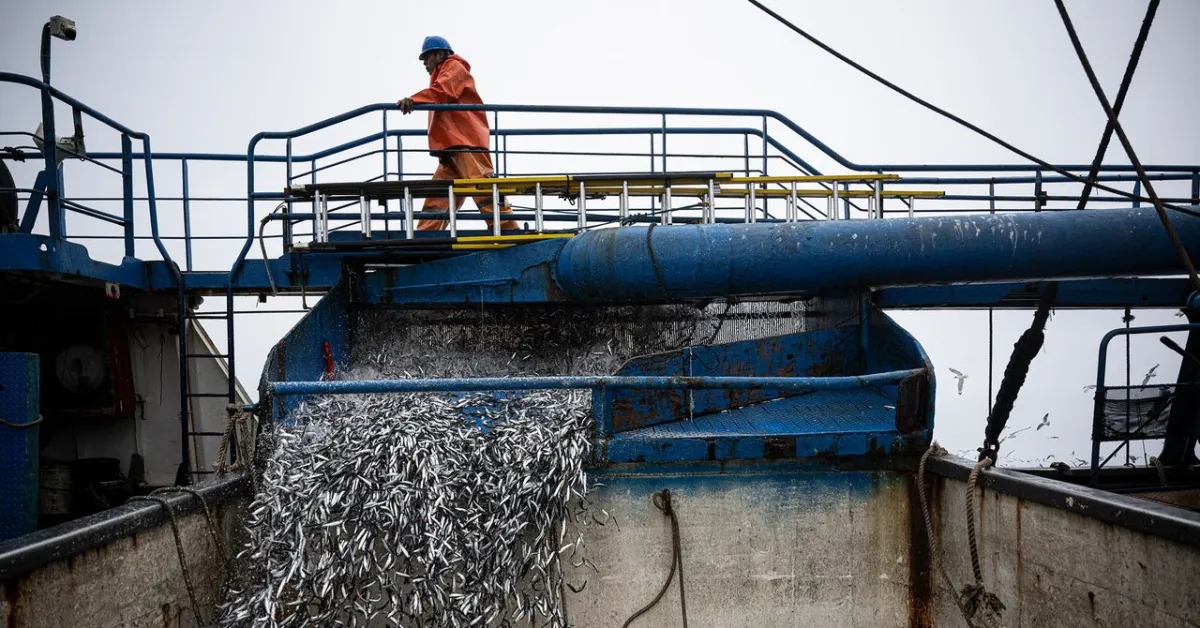
In Peru, the anchovy fishing season has been effectively canceled, impacting a key export and a global source of fish oil and animal feed. Meanwhile, India braces for a smaller Indian mackerel season. Contrasting this, Southern California is experiencing some of the best tuna fishing on record. These divergent outcomes highlight how El Niño creates a mixed bag for the fishing industry, decimating certain fish populations while making others more accessible.
El Niño, a natural phenomenon occurring every two to seven years, involves warmer-than-average sea surface temperatures in the Pacific. Historically, Peruvian fishers named it after the baby Jesus due to its occurrence around Christmas and its dramatic impact on catches. Its varied effects stem from how it alters ocean currents. Typically, trade winds push warm water west, allowing cold, nutrient-rich water to well up. During El Niño, these winds weaken, slowing or stopping this crucial upwelling, which devastates species like anchovies that rely on surface algae.
Conversely, El Niño can boost other fisheries by allowing warm-water species to migrate into normally cooler regions. In Peru, past El Niños have both crippled the anchoveta fishery and increased catches of shrimp, scallops, dolphinfish, and tuna. This year, coastal El Niño conditions have already depleted anchovy stocks, prompting an indefinite fishing ban to prevent further population decline. Sonar technology has located anchovies over 100 meters deep, far beyond the reach of standard fishing nets.
Consumers can also expect price fluctuations. For instance, wild salmon populations can shrink during El Niño, leading to higher prices for consumers. In Peru, prices for jack mackerel and corvina have reportedly doubled, pushing families towards chicken. However, species like shrimp may see population booms, potentially stabilizing their prices. Southern California fishers are celebrating a "special treat" with increased catches of bluefin tuna, swordfish, and marlin, species typically found closer to the equator.
Beyond economic impacts, El Niño's high ocean temperatures can damage coral reefs and kelp forests, affecting marine ecosystems. Shifting fish populations might even escalate geopolitical tensions as vessels cross into other nations' economic zones. Scientists also worry about the Humboldt squid, a vital income source for Peruvian artisanal fishers, whose populations may decline during El Niño, forcing thousands of boats to seek alternative, potentially ecosystem-damaging, catches. The severity of this El Niño remains to be seen, but with climate change potentially intensifying these events, experts are increasingly concerned.