The U.S. military conducted further strikes against Iran following an incident where the Islamic Revolutionary Guard Corps struck a container ship navigating the Strait of Hormuz on Sunday. The recent escalation in hostilities between the U.S. and Iran has led President Donald Trump to declare an end to the ceasefire, though he has indicated a willingness for continued negotiations.
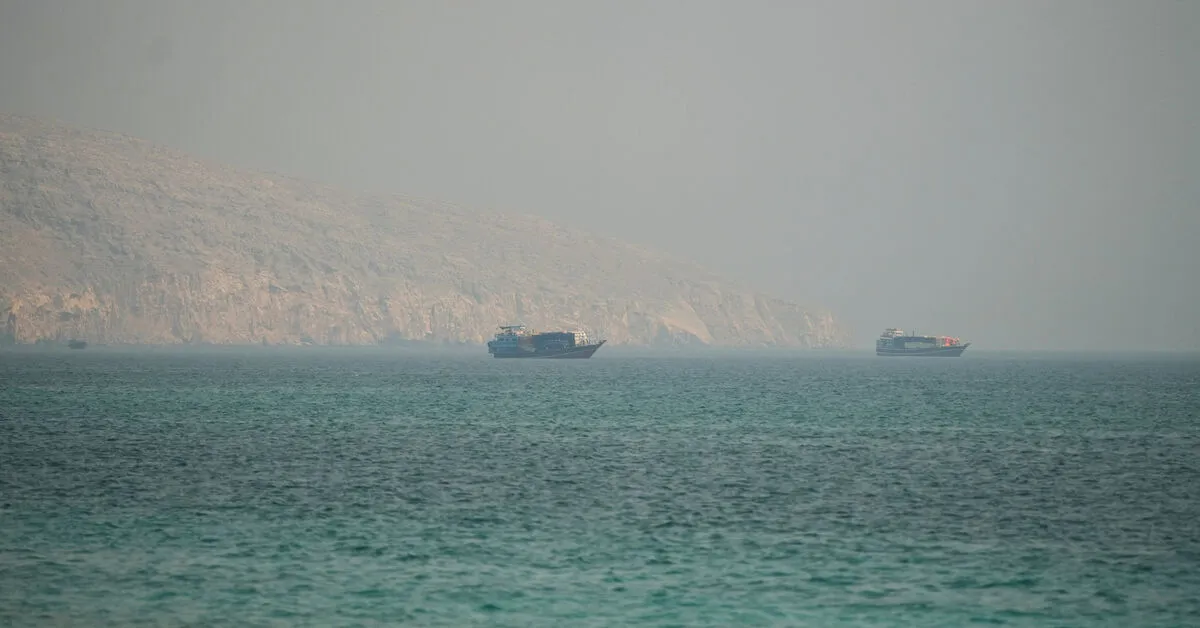
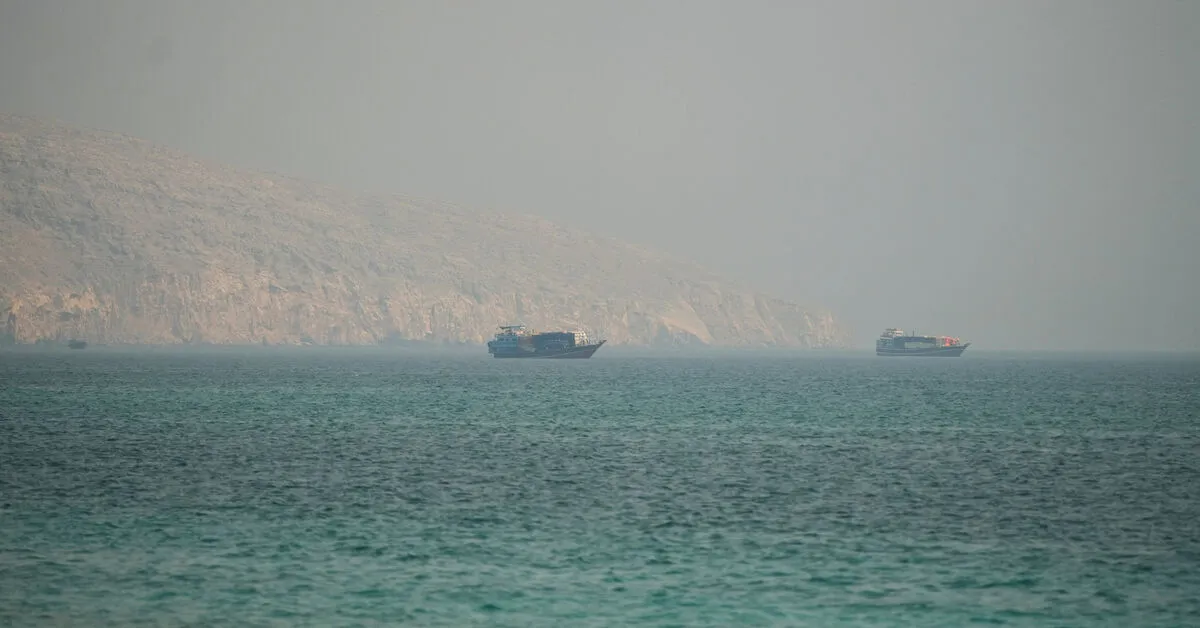
Iran stated it had closed the vital Strait of Hormuz after firing a warning shot that hit a vessel reportedly traveling on an unapproved route. The Iranian authorities issued a warning that any retaliation would be met with a severe response. The U.S. Central Command identified the damaged vessel as the M/V GFS Galaxy, a Cyprus-flagged container ship, reporting significant engine-room damage and the disappearance of a civilian crew member.
The ongoing conflict has destabilized the Gulf region, and Iran's actions in the Strait of Hormuz have contributed to surging energy prices and global inflation, a politically sensitive issue for President Trump ahead of the November congressional elections. Iran asserts that several ships attempted to transit the waterway on an "unauthorized route," disregarding warnings. The Revolutionary Guards declared the strait, a critical conduit for a fifth of global oil and LNG supplies before the war, would remain closed until "the end of U.S. interference in this region."
U.S. Central Command initiated its strikes on Saturday evening, approximately an hour after Iran's statement, which included threats to target "new enemy bases" in the Middle East if the United States retaliated for the container ship incident. Central Command confirmed that President Trump ordered these strikes. Washington is demanding a public commitment from Tehran to cease attacks on ships in the strait and ensure unobstructed passage.
U.S. officials have indicated that Iran's Foreign Minister, Abbas Araqchi, accused the United States of violating the ceasefire agreement, stating that only mutual compliance is acceptable. The U.S. recently revoked the license for Iranian crude oil sales after several commercial tankers were targeted earlier in the week, prompting earlier U.S. strikes on Iranian sites, which Iran subsequently countered by attacking U.S. military installations in Gulf states.
While Iran has not officially claimed responsibility for the ship attacks, analysts suggest such actions are employed as leverage in negotiations. Reports indicate that Iran, the U.S., Qatar, and Pakistan had tentatively agreed to negotiations, with mediators attempting to arrange a call. Simultaneously, Iranian Foreign Minister Araqchi met with Omani officials to discuss safe passage through the Strait of Hormuz, with ongoing talks at both technical and political levels.
In a separate development, a written statement from Iran's new supreme leader, Ayatollah Mojtaba Khamenei, threatened vengeance for the death of his predecessor and father, who was killed in the war's initial attacks. This statement was released during funeral ceremonies for the former leader, Ayatollah Ali Khamenei, on Thursday. Earlier, President Trump had indicated he had ordered the U.S. military to prepare for significant missile strikes against Iran if Tehran attempted to assassinate him, a claim stemming from intelligence shared by Israel.