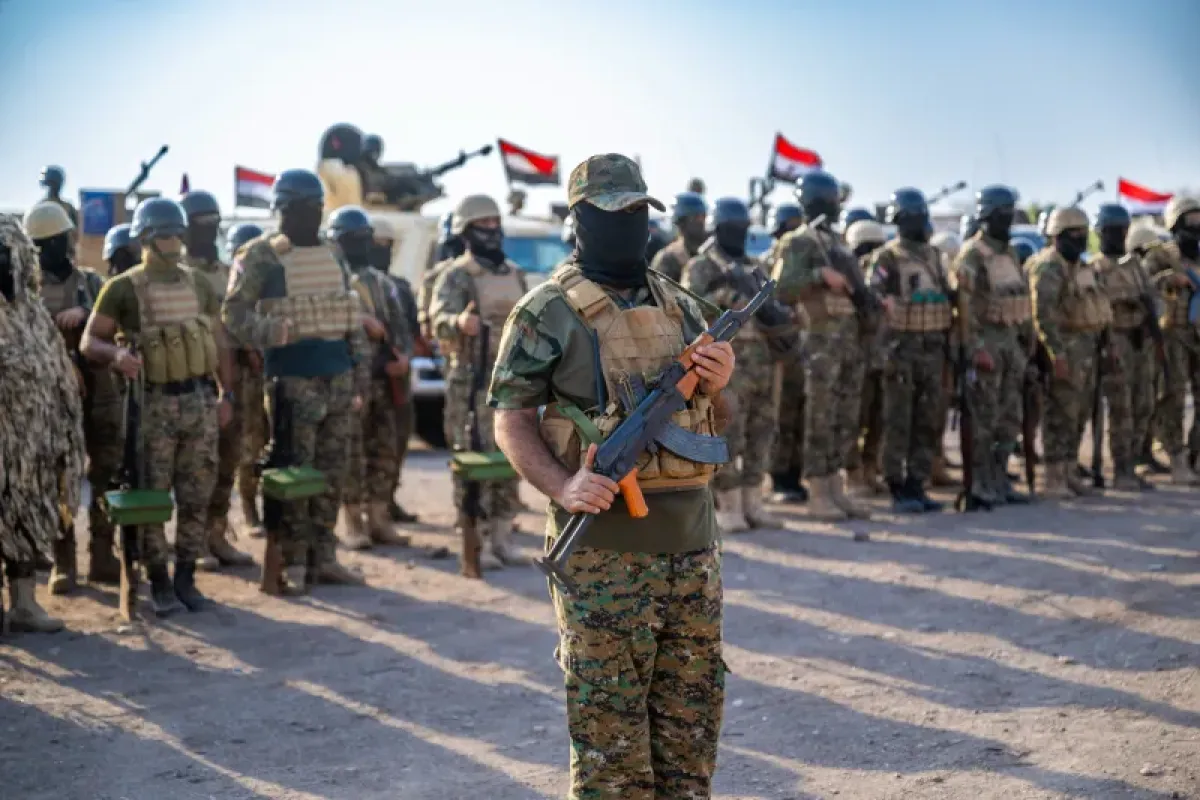
A political analysis warns that Yemen has transitioned from an internal power struggle to a critical nexus in regional security, increasingly utilized as a battleground for Middle Eastern powers. This shift is underscored by the Houthi militia's continued control over vast territories and escalating threats to the Red Sea and international shipping.
The analysis, published by Al-Arab newspaper and authored by Jordanian political analyst Abdulkarim Suleiman Al-Arjan, posits that the fragile ceasefire's collapse in early July 2026 signals a new phase in the Yemeni crisis. Traditional settlements are no longer viable solutions, and any gains by one party now translate into strategic losses for the other, creating a "zero-sum" scenario that leaves the country trapped in an open-ended conflict devoid of a political horizon.
Yemen is now functioning as a "pressure release valve" for a regional crisis extending from Tehran to the Red Sea. The nation's future is intrinsically linked to the trajectory of confrontation between regional and international powers, superseding internal dynamics.
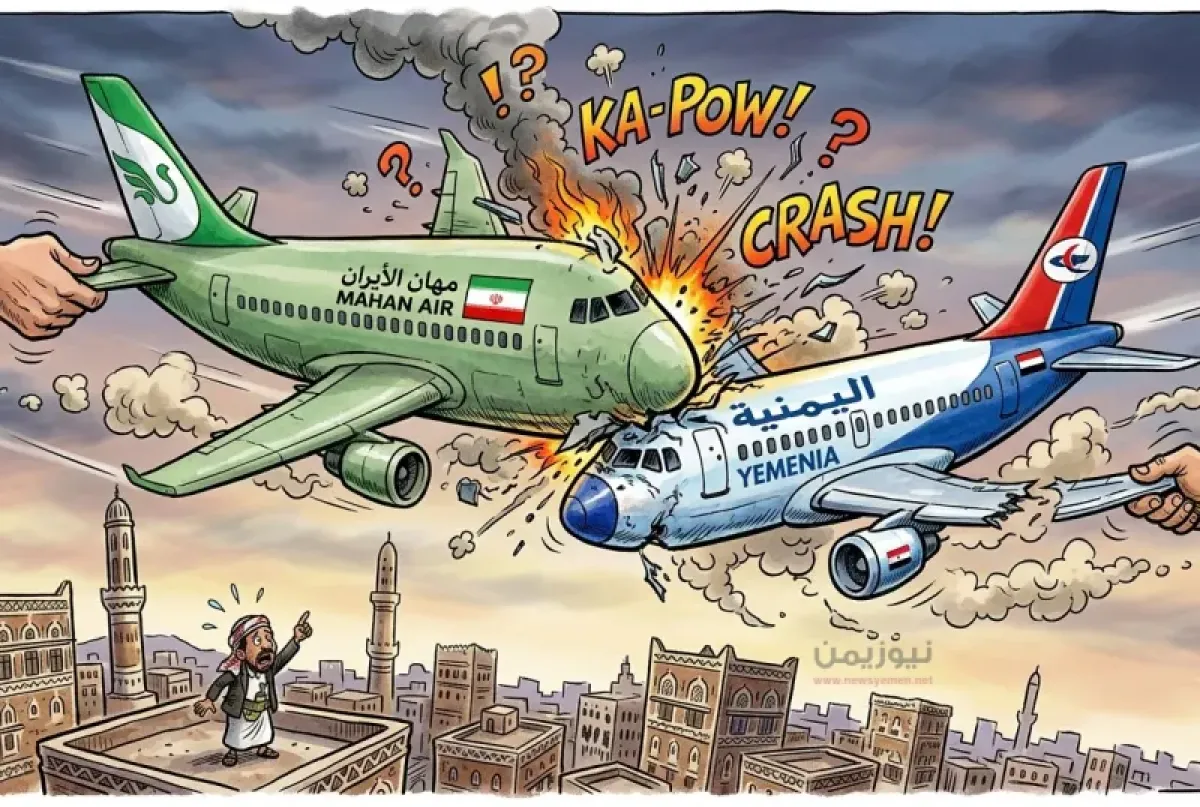
The analysis highlights that direct Iranian flights to Sana'a airport are more than logistical developments; they carry political and military messages extending beyond humanitarian concerns. These flights are viewed as a strategic test to gauge adversaries' reactions and demonstrate Iran's expanding influence in Yemen. The Houthi militia leverages such actions to consolidate internal mobilization and re-impose a state of emergency in their controlled areas, thereby strengthening their grip on tribes and local communities amidst growing popular discontent over economic conditions. Concurrently, Tehran uses these maneuvers to signal shifts in Red Sea power balances, positioning maritime routes as leverage within its regional project.
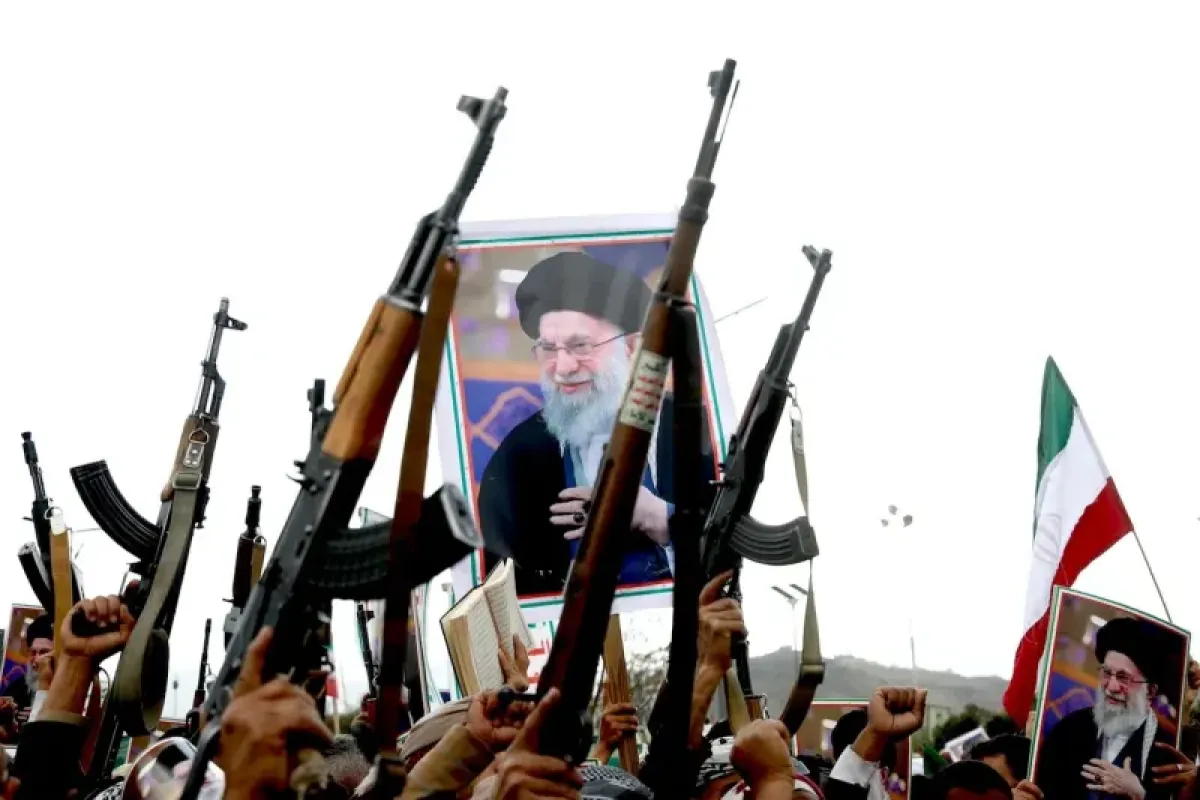
The continued role of the Houthis makes them a strategic asset for Iran in managing regional conflicts, by maintaining Yemen as an open arena for exerting pressure on adversaries without direct confrontation. The analysis extensively discusses the strategic importance of the Bab el-Mandeb strait, which has evolved from a mere international trade route into a crucial geopolitical competition zone, with maritime threats now integral to regional conflict management.
Any new military escalation in Yemen will automatically endanger global trade, as regional powers employ what the author terms "technical attrition" by utilizing local proxies to disrupt navigation and supply chains without triggering a full-scale direct confrontation. Maintaining the conflict within a "grey zone" benefits the Houthi's backers, affording them broad political and military maneuverability while allowing for plausible deniability regarding direct responsibility for escalations.
Internally, Yemen is characterized by a "divided society on the ruins of a state." The Yemeni legitimacy faces significant challenges in asserting its authority, while the Houthi militia relies on military force to impose a new political reality. However, this situation is not without signs of decline within Houthi-controlled areas. Tribes, long a pillar of Houthi influence, are exhibiting forms of resistance due to economic pressures and deteriorating living conditions, indicating a gradual erosion of the group's social legitimacy. Continuous military and media mobilization, coupled with the stalled political process, increases the likelihood of a return to widespread conflict, absent any tangible indicators of a sustainable settlement.
The Yemeni crisis is now an integral part of a broader network of regional conflicts, its course intertwined with Iran-Israel tensions, Iran-Gulf competition, and the use of Arab arenas as mutual leverage. Iran views Yemen as an advanced arm for extorting its regional environment through the Houthis, while Israel benefits from continued instability in Yemen and the region, as it drains its regional adversaries and deflects pressure. This dynamic, according to the analysis, fosters armed entities that thrive on chaos, transforming national sovereignty into a bargaining chip between competing powers.
The author concludes that Yemen no longer faces a choice between war and peace, but rather a phase of "forced reshaping." Continued escalation could either entrench the country as a zone of overlapping influence dictated by external power balances or trigger a broad geopolitical explosion that redraws spheres of influence in the Arabian Peninsula, making the Bab el-Mandeb a pivotal point in determining the future of security and stability in the Middle East for years to come.