United Nations Special Envoy Hans Grundberg has initiated a new diplomatic effort in Muscat, Oman, aimed at de-escalating the rising military tensions in Yemen. The envoy held discussions with senior Omani officials and the Houthi delegation's chief negotiator, Mohammed Abdelsalam, on Tuesday, in an attempt to preserve the fragile calm established by the 2022 truce understandings.
The meetings focused on the urgent need for de-escalation and preventing a slide into new military confrontations. Discussions also covered pathways to a mutually agreed-upon process that would maintain the relative quiet and pave the way for resuming UN-brokered political negotiations. Grundberg emphasized the critical importance of direct engagement among Yemeni parties across political, military, security, and economic tracks as the primary route to a comprehensive and sustainable resolution to the conflict. He cautioned that persistent tensions could undermine the progress made towards a ceasefire in recent years.
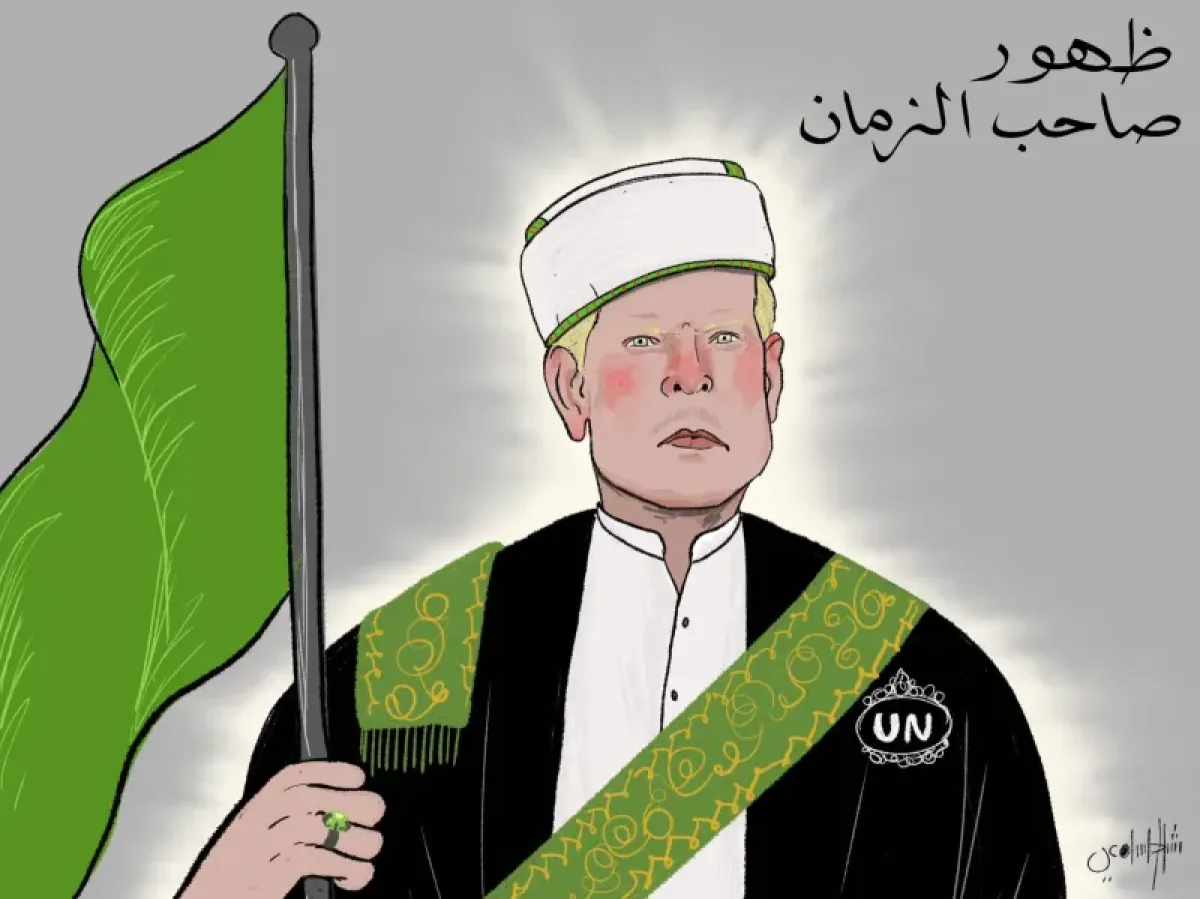
This UN initiative follows Grundberg's renewed calls for de-escalation and dialogue just a day prior. He had expressed concern over recent developments in Yemeni airspace and affirmed that his office was in contact with various parties, including military representatives, urging them to refrain from actions that could trigger further violence. However, the UN statement has drawn criticism for its failure to explicitly address the immediate triggers of the recent crisis, particularly an alleged breach of Yemeni airspace by an Iranian aircraft attempting to land at Sana'a airport outside established government procedures. The Yemeni government has characterized this as a violation of state sovereignty and an escalation that threatens the de-escalation process.
The UN statement also omitted any mention of the Houthi group's insistence on receiving flights at Sana'a airport outside of legal and sovereign controls. Instead, it offered a general call for restraint and a return to negotiations, without specifying which party initiated the crisis. Observers suggest this approach reflects a pattern of the UN avoiding direct attribution of responsibility for breaches of understanding, raising questions about the effectiveness of international efforts in addressing the root causes of escalation rather than merely containing its consequences.
This diplomatic push by the UN envoy is consistent with his previous stances. Notably, he did not issue a public comment or condemnation when an Iranian Mahan Air flight arrived at Sana'a airport on July 3rd without the Yemeni government's approval, a move the Presidential Leadership Council described as a violation of national sovereignty and international law, warning that such practices undermine state institutions and threaten the prospects of maintaining the truce.
The UN's current diplomatic activity occurs against a backdrop of heightened military and political tensions across Yemen. There are growing concerns about the potential collapse of the relative calm that has prevailed since the 2022 truce, exacerbated by stalled peace efforts and ongoing disagreements on security, military, and economic issues.