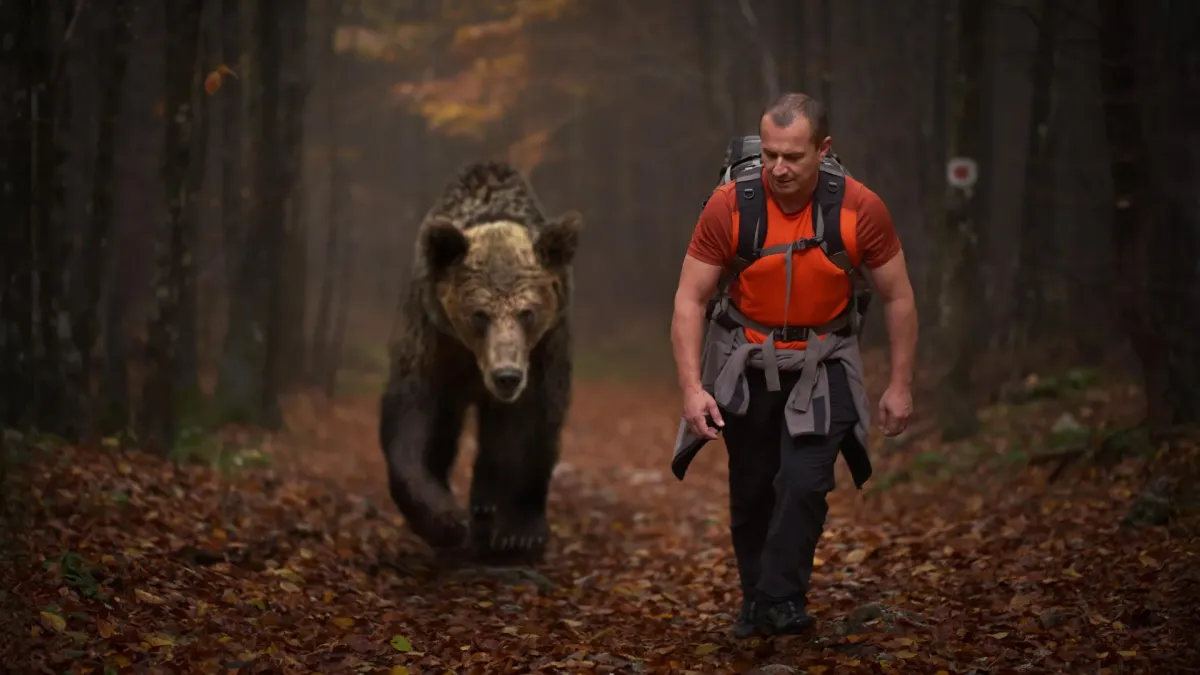
New research reveals that animals don't perceive all human activity as an equal threat. While direct dangers like hunting and fishing consistently trigger fear and alter behavior, encounters with tourists or researchers elicit much less predictable reactions.
A massive meta-analysis, pooling three decades of studies, investigated how various wild species adjust their actions in the presence of humans. Published in *Ecology Letters*, the findings indicate that animals are indeed wary of humans posing a lethal risk, becoming more vigilant and spending less time feeding. However, their responses to non-lethal human presence are far more varied.
Interestingly, the study found that human infrastructure like roads and settlements can sometimes feel safer for wildlife. Lead author Shawn D'Souza explains that these areas might act as perceived refuges, as predators often steer clear of humans, creating a sense of security for prey species. Additionally, open vegetation common near roads can offer appealing grazing spots, though this also increases the risk of vehicle collisions.
These behavioral shifts, focusing on feeding, vigilance, and movement, are crucial because they reflect the difficult trade-offs animals face. Time spent on high alert is time not spent eating, and altered movement patterns can impact energy levels and access to vital resources, ultimately affecting survival and reproduction.
The research largely supports the "risk allocation hypothesis," suggesting animals calibrate their behavior based on the perceived severity and predictability of a threat. Frequent, intense dangers lead to sustained caution, while limited or predictable threats allow wildlife to relax. These adjustments can ripple through ecosystems, influencing food webs and overall ecological balance.
This nuanced understanding of animal fear could have significant implications for managing human-wildlife conflict. For instance, the study suggests that limited culling might be more effective in deterring animals from human-dominated areas than other methods. However, scientists emphasize the need for more sophisticated predictive frameworks that consider species traits, past human exposure, and landscape structure to truly understand and anticipate wildlife responses.