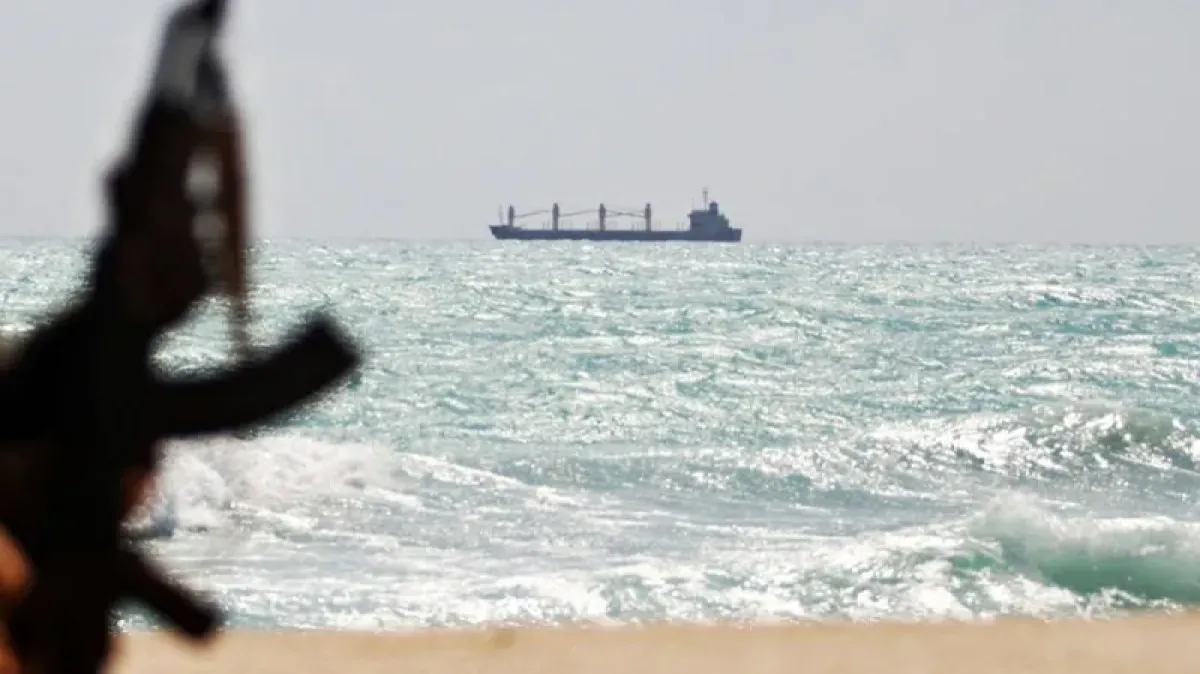
Iran has entered a new phase of regional escalation, signaling its intent to extend naval confrontations from the Strait of Hormuz to the Bab al-Mandab Strait. This move suggests Tehran's strategy to leverage vital maritime passages as a pressure tactic against the United States and its allies, utilizing Houthi forces to advance its military agenda in the Red Sea.
These threats were articulated by Iran's Islamic Revolutionary Guard Corps (IRGC), which declared that "all export routes" could become targets if Western pressure on Tehran persists. Analysts interpret this message as extending to the Bab al-Mandab, a critical artery of global trade, following the Strait of Hormuz becoming a direct arena for confrontation between Iran and the United States.
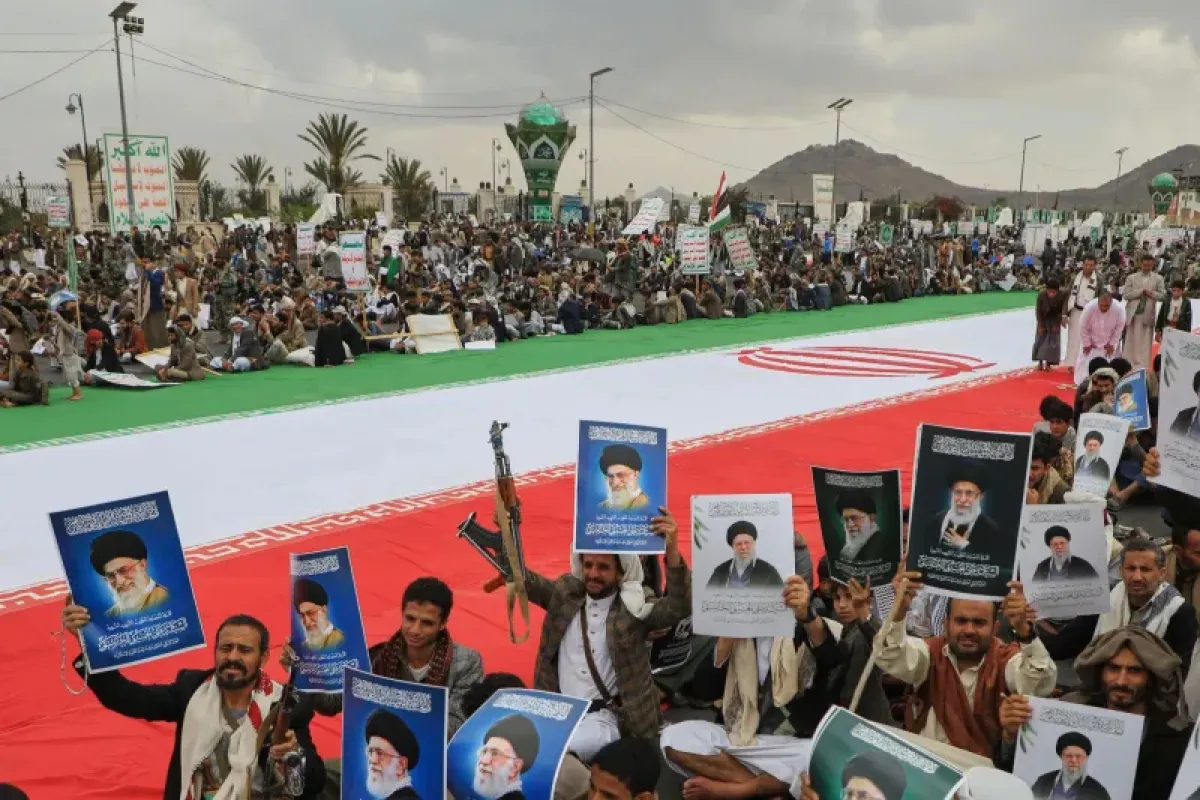
This escalation indicates a shift in Iran's policy from defending its interests within the Persian Gulf to a broader strategy of threatening international trade and energy movement. By expanding the conflict zone to the Red Sea, Iran exploits its military influence over the Houthi movement in Yemen. The Houthis have previously declared their readiness to close the Bab al-Mandab if the confrontation necessitates it.
Analysts believe the Houthi group is the most prepared arm to execute this scenario. Over recent years, they have accumulated experience in targeting commercial and military vessels in the Red Sea, leading to widespread disruptions in international shipping since late 2023. These disruptions have resulted in increased shipping and insurance costs and rerouted trade away from the Suez Canal.
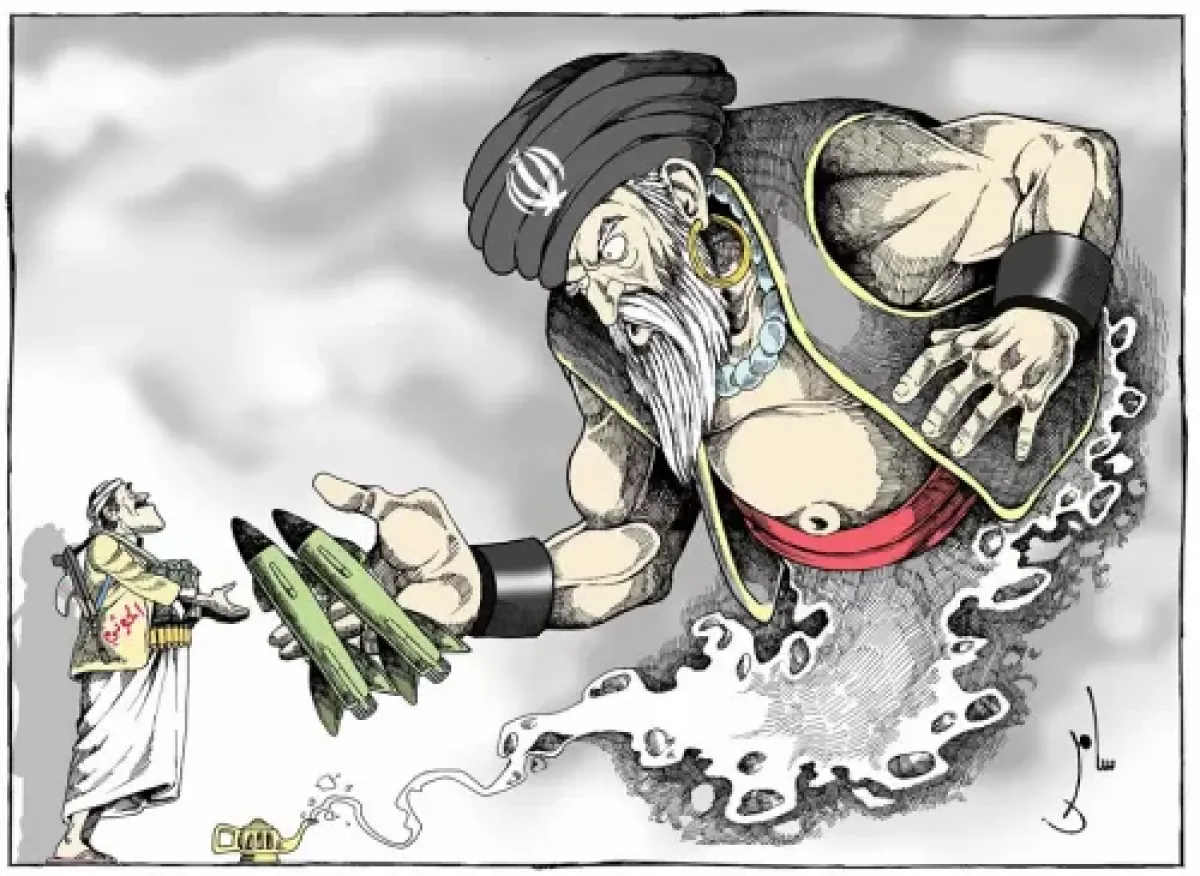
Recent Houthi statements regarding their preparedness to close the strait amplify concerns that the group is becoming an executive tool for the Iranian project in the Red Sea. This development positions Yemen as a theater for regional and international score-settling, exacerbating the economic and humanitarian burdens on a country already grappling with one of the world's most severe humanitarian crises.
Observers warn that the threat to Bab al-Mandab is not merely a political gambit but is backed by demonstrable capabilities. The Houthis have proven their ability through dozens of attacks on commercial vessels in the past two years, prompting international powers to enhance their military presence in the Red Sea to protect international navigation.
In response, the United States has intensified its military operations against Iranian capabilities associated with threatening navigation, announcing strikes on coastal sites and military installations. Tehran has been accused of orchestrating attacks on commercial ships. The IRGC has retaliated by announcing strikes on U.S. military bases and installations in the region, reaffirming its commitment to a policy of escalation.
Incorporating Bab al-Mandab into the conflict equation represents a grave development. It threatens one of the most crucial maritime corridors linking the Red Sea to the Indian Ocean, through which a significant portion of global trade and energy supplies passes. This portends consequences extending beyond regional borders to impact the global economy, oil markets, and supply chains.
This escalation underscores Iran's pursuit of expanding confrontation arenas by employing its regional proxies, most notably the Houthis, to establish a new paradigm where the security of international navigation becomes hostage to the conflict with the West. Amidst growing fears, the Red Sea risks devolving into an open warfront, potentially pushing the region and the world toward an unprecedented maritime and economic crisis.