Following devastating wildfires that consumed 95% of their ancestral lands, members of the Konkow Valley Band of Maidu have uncovered more than 1,200 significant ancestral sites in the Sierra Nevada foothills. This discovery dramatically revises the understanding of their history, previously obscured by land dispossession and altered landscapes.
For generations, the Konkow Valley Band of Maidu had limited knowledge of their heritage on their ancestral lands, with only about two dozen historic sites documented. Historical factors, including disease, violence, and forced labor, contributed to a disconnect from their past. Additionally, the absence of traditional Indigenous fire management practices led to dense conifer growth on lands now largely managed by the U.S. Forest Service, further concealing evidence of their long-standing presence.
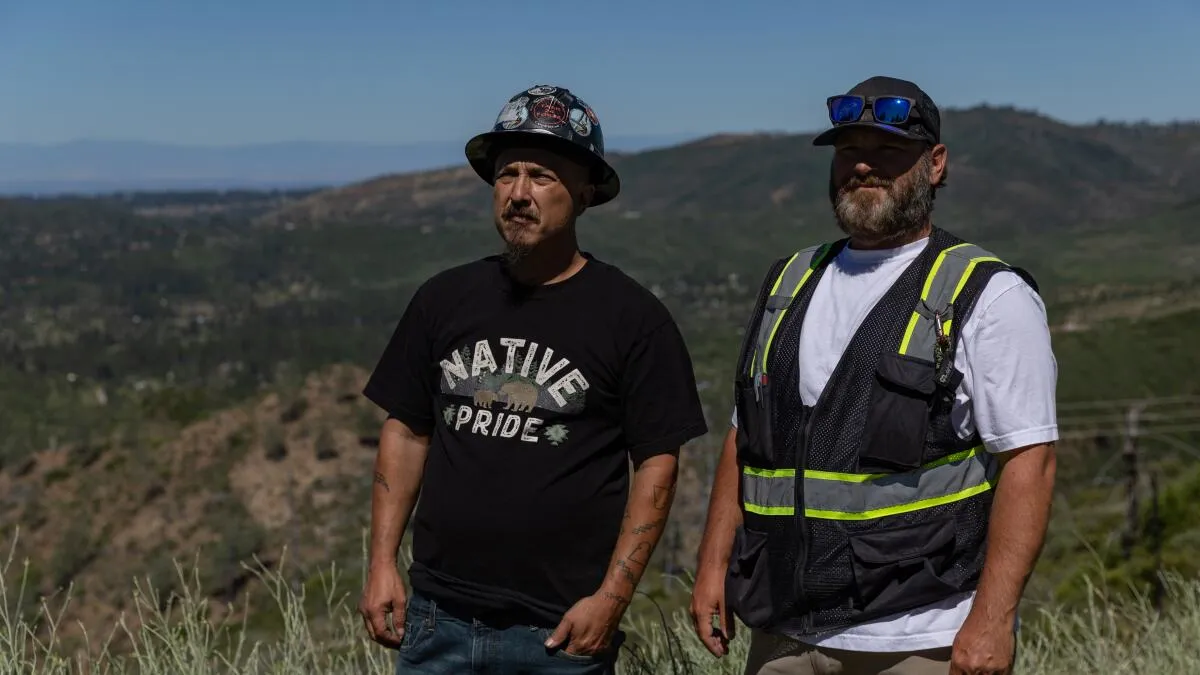
The landscape's transformation occurred rapidly. In less than a decade, extensive wildfires destroyed 95% of the tribe's homelands. As the U.S. Forest Service sought tribal assistance in land restoration, members walking the fire-scarred terrain began finding numerous signs of their rich history. These findings include arrowheads, rock art, ancient milling stations used for grinding food, and the circular foundations of winter houses.
Tribal Chairperson Matthew Williford Sr. now envisions a significantly more vibrant past than previously depicted by archaeologists, estimating that up to 5,000 ancestors may have inhabited the region over millennia. To further document this history, the Konkow Valley Band of Maidu is collaborating with a new generation of archaeologists, including Professor Matthew O’Brien of Chico State University. Their joint efforts involve excavating sites, analyzing artifacts, and incorporating tribal knowledge into the archaeological process, shifting from a model of studying the past to actively participating in its understanding and preservation.
Ironically, the historical policies that estranged tribal members from their heritage also contributed to the conditions that enabled the recent wildfires, which in turn facilitated the rediscovery of their past. State laws enacted during the Gold Rush era prohibited Indigenous fire management, which traditionally thinned forests and rejuvenated landscapes. These policies, coupled with forced labor and the federal government's failure to ratify treaties, left tribes like the Konkow Valley Band of Maidu landless and disconnected. The subsequent aggressive fire suppression policies by the Forest Service inadvertently created densely wooded areas prone to catastrophic fires, such as the Camp Fire in 2018 and the Dixie Fire three years later.
Current restoration efforts, including site surveying, tree planting, and the reintroduction of controlled burns, continue to reveal artifacts and provide a deeper connection to their ancestral lands. The collaboration aims to recover the full scope of the tribe's history, with ongoing research including carbon-dating to establish precise timelines for ancient human activity. This work signifies a powerful reconnection, allowing the land to acknowledge the enduring presence of the Konkow Valley Band of Maidu.