An escalating outbreak of cyclosporiasis, a parasitic illness causing severe diarrhea, has affected thousands across 34 states, prompting public health officials to issue urgent recommendations for enhanced food preparation safety. While no single source has been definitively identified, authorities are investigating potential links to various produce items and food suppliers.
In Michigan, the epicenter of the outbreak with over 3,700 reported infections, public health experts are examining leafy greens as a possible culprit. Some Taco Bell locations in the state have voluntarily removed certain ingredients, including lettuce, cilantro, and onions, amid a nationwide recall, though the specific product linked to the outbreak remains under investigation.
Epidemiological and infection prevention experts are advising caution nationwide, even in regions like California, which has reported 41 cases between January and June. These cases are below the state's average and are not currently linked to the widespread outbreak, according to the California Department of Public Health. Experts emphasize that while cyclosporiasis cases occur annually in California, often acquired internationally, the current situation warrants heightened vigilance regarding produce consumption.
The Centers for Disease Control and Prevention (CDC) states that food-borne cyclosporiasis outbreaks in the U.S. have historically been associated with imported fresh produce such as raspberries, cilantro, and basil. Health officials advise thorough washing of all fruits and vegetables under running water. For firm-skinned produce like cucumbers and melons, gentle scrubbing with a clean brush during rinsing is recommended. Drying produce with a clean cloth or paper towel is also advised. The FDA does not endorse specialized produce washes, citing unverified safety of their residues.
While rigorous washing and scrubbing can mitigate risks, experts acknowledge that the parasite's resilient outer shell makes complete elimination challenging. Dr. Norman Beatty of the University of Florida College of Medicine noted that the parasite's resistance to disinfectants and its presence in soil contribute to contamination, often through contaminated water or inadequate hygiene practices by food handlers.
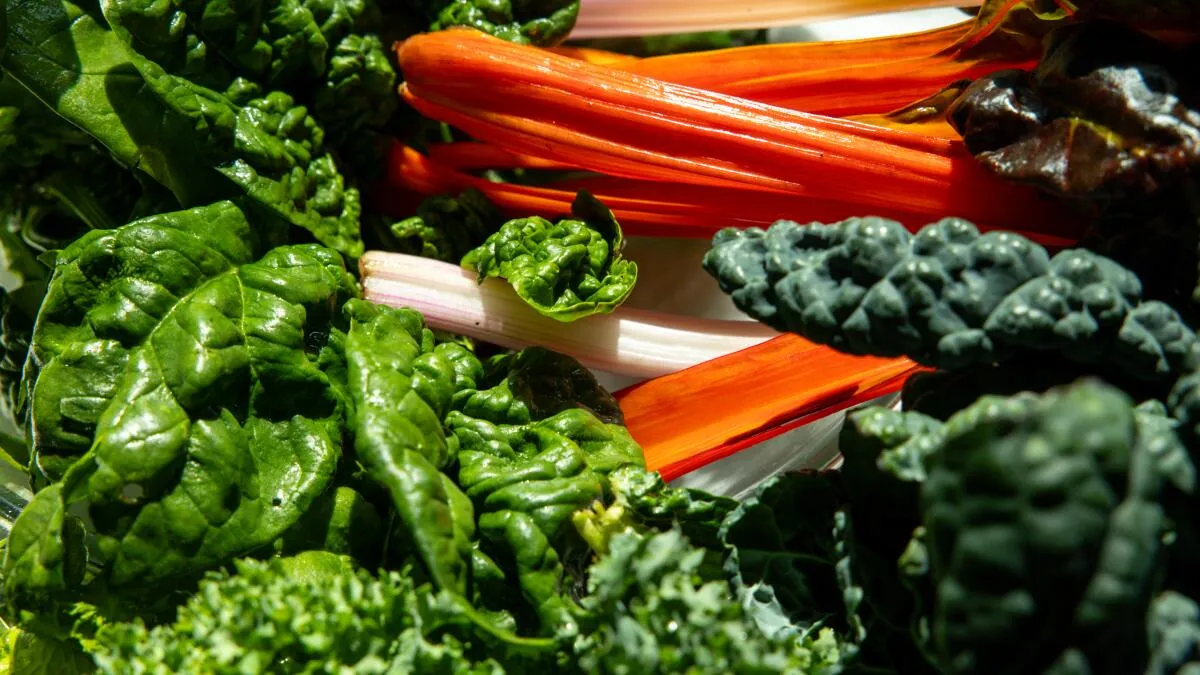
Regarding specific produce, health experts suggest caution with bagged leafy greens, as identified in Michigan's outbreak. While rinsing is generally advised, some experts recommend avoiding bagged greens temporarily if possible. For susceptible items like spinach, cooking may reduce the risk of infection. The duration of the outbreak is contingent on identifying the specific source, after which targeted recalls can be issued to contain its spread.
Symptoms of cyclosporiasis include prolonged, watery diarrhea, loss of appetite, weight loss, cramping, bloating, increased gas, nausea, and fatigue. Individuals experiencing severe symptoms are urged to seek medical attention, as diagnosis typically involves stool sample testing and treatment with antibiotics like Bactrim.