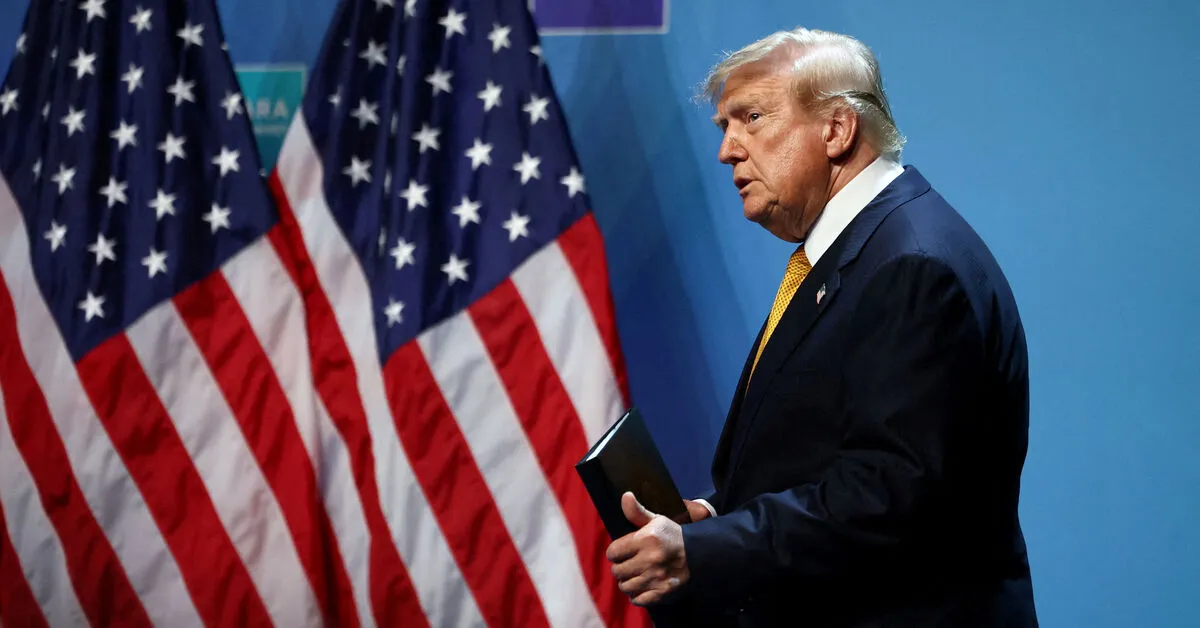
President Donald Trump has intensified U.S. military actions against Iran and is contemplating further escalation, yet indications suggest that a strategy which has thus far failed to secure concessions from Tehran may prove ineffective once more.
Following the collapse of a temporary ceasefire agreement last month, President Trump finds himself in a precarious position as he aims to curtail Iran's influence in the critical Strait of Hormuz and compel a defiant Tehran to comply with U.S. demands. While both nations have thus far averted a full-scale conflict, increasingly alarming developments have diminished prospects for a resolution in the immediate future, contributing to a rise in global oil prices and widespread economic uncertainty.
A series of retaliatory attacks has entered its sixth day, with Iran suggesting it might instruct its Houthi allies in Yemen to obstruct the Bab al-Mandeb Strait, a vital shipping route at the entrance to the Red Sea, should the United States target Iran's power infrastructure as threatened by President Trump. These potential actions signal a significant escalation in the ongoing crisis.
President Trump has reportedly discussed, and in some instances publicly proposed, expanding military targets to include energy facilities and bridges, deploying ground forces to seize Iran's Kharg Island oil terminal, and striking a heavily fortified underground nuclear-related site. However, many of these proposed options are considered unrealistic due to substantial risks and the potential for significant domestic and international repercussions. Similar threats have been made previously, only to be rescinded.
Analysts largely concur that a substantial escalation by the U.S., short of a highly perilous and politically untenable ground invasion aimed at overthrowing the Iranian government, is unlikely to be any more successful in altering Iran's course than previous military actions. The ongoing conflict, now in its fifth month, has seen U.S. and Israeli strikes that have eliminated senior Iranian leaders and significantly degraded military capabilities, yet Tehran remains resolute.
The unraveling of the interim deal occurs as President Trump faces pressure to end a war that has resulted in thousands of casualties and economic hardship, impacting his approval ratings ahead of the midterm elections. While negotiations to establish a permanent peace accord have stalled, there have been subtle indications of potential diplomatic progress. The White House's claim of a U.S. citizen's release from detention in Iran was contradicted by Iran's judiciary, which stated no prisoner had been freed or exchanged.
President Trump's strategy may involve attempting to force Iran back to the negotiating table regarding its nuclear program, which he designated as the primary objective of the war. However, the current hostilities stem from differing interpretations of the preliminary agreement concerning control of the Strait of Hormuz. Iran asserts a role in managing the waterway, potentially including charging fees, while the U.S. and its Gulf allies insist on freedom of passage. Most experts see little evidence that Tehran will concede to President Trump's demands.
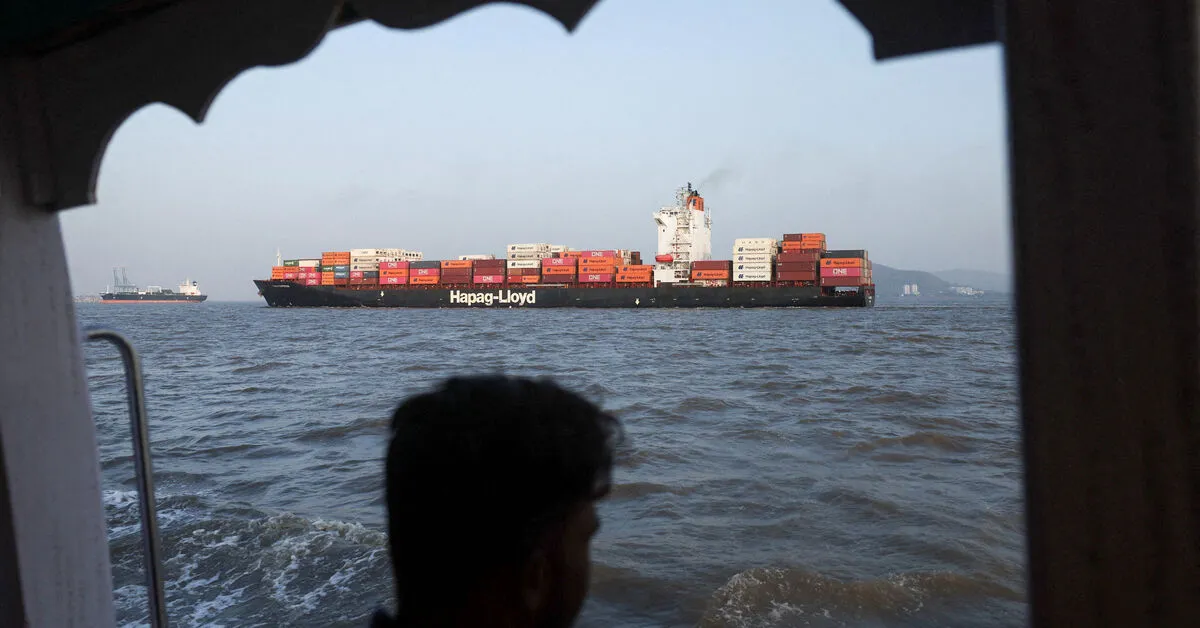
Tehran's resumption of attacks on commercial shipping in recent days, which the White House has deemed a violation of the interim accord, prompted the latest U.S. response, including the re-establishment of a blockade on Iranian ports. Furthermore, Iran faces intensified economic pressure following Washington's revocation of a waiver that permitted oil sales abroad, nullifying one of the principal benefits Iran gained under the interim agreement.
U.S. officials have indicated that the current wave of strikes may serve as "shaping operations," designed to present President Trump with a broader range of options by targeting Iranian military assets that the U.S. would deem necessary to neutralize before undertaking more significant actions. In response, Iran has signaled its willingness to broaden the conflict, warning of potential strikes on civilian infrastructure of U.S. allies in the Persian Gulf if President Trump further escalates. Iran retains considerable missile and drone capabilities.
Sources have reported that Tehran has requested the Houthi movement to prepare to block the Red Sea oil route if the United States strikes Iranian power infrastructure, presenting a formidable new threat to global energy supplies, particularly as some shipments have been rerouted through the Red Sea. However, some analysts suggest that Tehran's actions are born of desperation and could accelerate global efforts to establish alternative pipelines and shipping corridors, thereby diminishing Iran's capacity to exert influence.
Some observers posit that President Trump, who campaigned on a platform of avoiding foreign entanglements and focusing on domestic economic issues, may be repeating strategic errors made when he initiated the war. His decision to launch the conflict lacked clear justification and an articulated exit strategy. Experts predict that increased pressure and threats from the administration are unlikely to compel Iran's leadership to capitulate. Instead, if President Trump continues to expand the scope of targets, Tehran is expected to retaliate in kind.