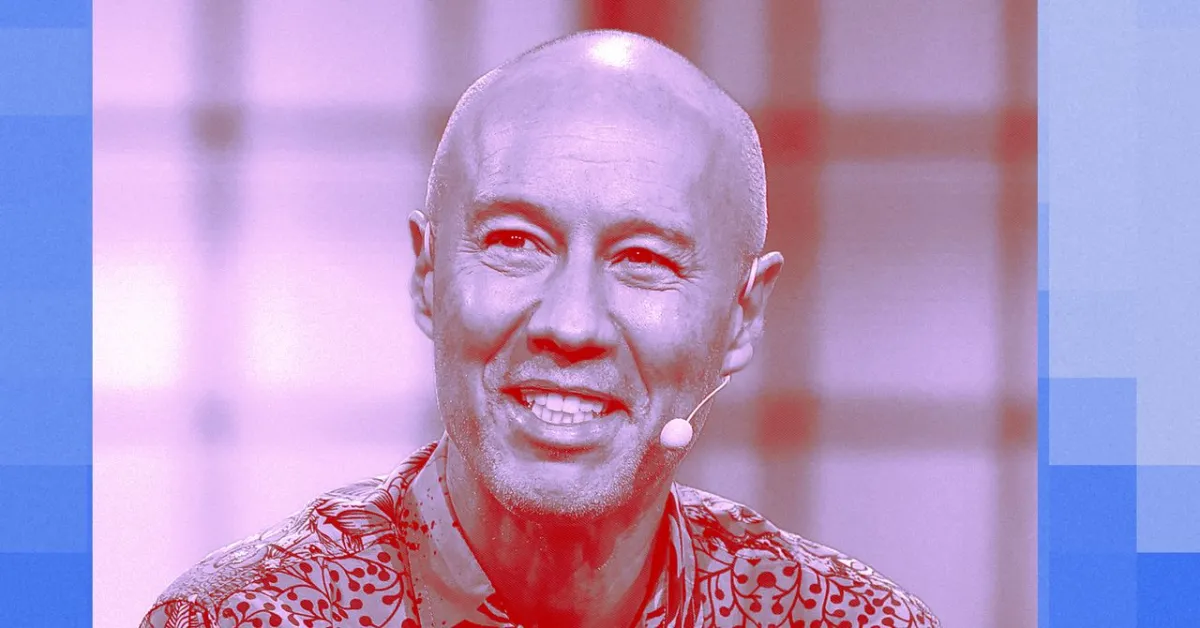
Lyft's CEO, David Risher, is steering the company toward a comeback, focusing on customer obsession and improved driver relations after a challenging period. Despite still trailing Uber in market share, Lyft has achieved profitability and is aiming to capture a larger slice of the ride-sharing market by emphasizing its superior service.
Risher, who took the helm in March 2023, inherited a company that was losing ground to Uber. His strategy has involved expanding services internationally, forging partnerships with tech giants like Waymo and Nvidia, reducing ride cancellations, and increasing driver pay. These efforts have boosted driver satisfaction and rider retention, leading to a rise in Lyft's market share from 26-27% to around 31%.
While Lyft is now profitable, its stock performance has lagged, reflecting broader industry uncertainties. Risher acknowledges that 31% is still a distant second place but sees a massive opportunity in the untapped market of personal car rides, which dwarfs current ride-sharing numbers. He believes that if more riders consistently compared prices, Lyft would command over 50% of the market.
Addressing driver concerns about pay, Risher stated that Lyft never takes more than 30% of a fare after insurance costs are deducted, a significant improvement from earlier industry practices. He also discussed the company's role in managing fleets of autonomous vehicles through partnerships, such as the one with Waymo in Nashville. This involves ensuring Waymo's self-driving cars are available, charged, and maintained, effectively acting as a fleet manager.
Looking ahead, Risher envisions a future where self-driving cars are the norm, transforming the role of car owners into fleet asset managers. He confidently asserted, "I think we're the good Uber," highlighting Lyft's commitment to customer obsession as a key differentiator and the driving force behind its economic turnaround. While acknowledging Uber's success, Risher insists Lyft's focus on service quality will lead to compounded advantages over time.